

Seasonal coffee: flavours, freshness and origins explained
TL;DR:
- Seasonal coffee is defined by harvest cycles, freshness, and growing conditions, not roast level or calendar dates.
- UK roasters focus on sourcing fresh, high-quality single-origin beans and transparently communicating harvest and roast dates to ensure optimal flavour.
Seasonal coffee gets talked about a lot, but it is often misunderstood. Many UK coffee drinkers assume it simply means lighter roasts in spring and darker ones in winter, following the same logic as seasonal menus in restaurants. That assumption misses the real story. Seasonal coffee is shaped by harvest cycles, freshness windows and the distinct growing conditions of coffee origins around the world. Understanding those factors helps you choose better coffee, ask the right questions of your roaster, and notice differences in your cup that you might have otherwise overlooked.
Table of Contents
- What does seasonal coffee mean?
- The importance of freshness and harvest timing
- How UK roasters curate seasonal coffees
- Exploring flavour profiles in seasonal coffee
- What most coffee lovers miss about seasonality
- Discover your next favourite seasonal coffee
- Frequently asked questions
Key Takeaways
| Point | Details |
|---|---|
| Seasonal coffee explained | Seasonal coffee is about freshness, origin and harvest timing, not just roast styles or months. |
| Freshness matters most | Coffee is best enjoyed within two to six weeks after roasting for peak flavour. |
| Roaster transparency | Choose brands that clearly communicate roast dates and harvest info for the most genuine seasonal experience. |
| Flavour shifts by origin | Distinct tasting notes arise from different origins and processing, offering diverse experiences across the year. |
| Explore seasonal options | UK coffee lovers can find unique, fresh varieties by seeking roasters with rotating seasonal selections. |
What does seasonal coffee mean?
The phrase “seasonal coffee” carries different meanings depending on who is using it. Some retailers apply it loosely to any coffee they choose to feature during a particular part of the year. Specialty roasters, however, use it more precisely to describe coffees that are available only when their harvest is at its freshest.
Coffee is an agricultural product. Like any crop, it has a growing and picking season that varies by country and region. Ethiopian coffees, for instance, are typically harvested between October and January, while Colombian crops benefit from two harvests per year, in spring and autumn. When a roaster sources coffee shortly after harvest and ships it quickly, you get what is called a new-crop coffee. That is genuinely seasonal, in the truest sense.
The popular idea that seasonal coffee means adjusting roast darkness to match the weather is a simplification. As noted in coverage of adjusting roasts for the season, flavour changes in seasonal coffee are often driven by the origin and new-crop expression rather than roast level or time of year. A naturally processed Ethiopian coffee released in spring can taste dramatically different from a washed Guatemalan released at the same time of year, and neither of those differences is about the roast being lighter or darker.
“Seasonal coffee is not a marketing calendar. It is a reflection of where the coffee was grown, when it was picked, and how quickly it made it from the farm to your cup.”
This table summarises the common misconception versus the actual picture.
| Common belief | Actual definition |
|---|---|
| Lighter roasts in spring, darker in winter | Freshness tied to harvest timing and new-crop arrival |
| Seasonal means a flavour theme (e.g. spiced, fruity) | Flavour reflects origin, variety and processing method |
| All seasonal coffees rotate on the same schedule | Rotation depends on each origin’s harvest calendar |
| Roast level determines the seasonal character | Origin and processing drive the most significant flavour shifts |
Exploring a seasonal coffee selection guide is a practical starting point for anyone looking to navigate these choices more confidently. Staying informed about specialty coffee trends in the UK also helps you understand how roasters are responding to the growing demand for transparency and traceability.
Having established the broad definition, let’s take a closer look at why freshness and harvest timing are so critical to the seasonal coffee experience.
The importance of freshness and harvest timing
Freshness is one of the most significant factors in coffee quality, yet it is often overlooked in everyday purchasing decisions. Coffee beans begin to oxidise as soon as they are roasted. The gases that give freshly roasted coffee its characteristic aroma and flavour start to dissipate within days. By the time a bag has sat on a shelf for several months without proper storage, much of what makes it interesting is gone.
The practical freshness window for roasted coffee sits broadly between two and six weeks post-roast for filter brewing, and up to eight weeks for espresso, where a short rest period actually improves extraction. After that window, flavour becomes flat and one-dimensional. This is why roast dates matter so much.
Harvest timing feeds directly into this. A coffee picked in November in Ethiopia may reach a UK roastery by March or April. Roasted and dispatched quickly, it arrives in your home at its freshest expression. The same coffee arriving a year later from old stock is a fundamentally different experience, even if the label looks identical.
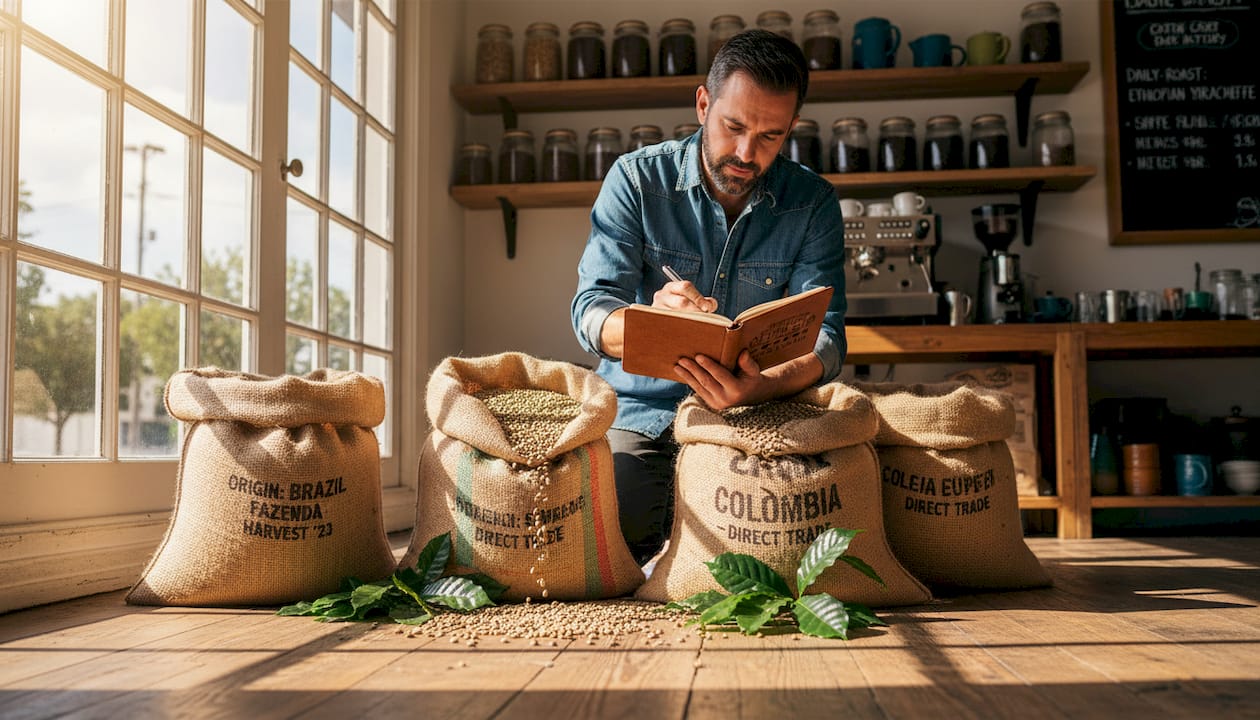
Best coffee roasters in the UK are those that rotate single origins and blends regularly, and communicate both roast dates and harvest timing clearly to customers. That transparency is a reliable quality signal.
Freshness benchmarks at a glance:
| Coffee type | Freshness window post-roast | Notes |
|---|---|---|
| Filter coffee | 2 to 6 weeks | Best flavour clarity in this window |
| Espresso | 4 to 8 weeks | Short rest of 7 to 10 days recommended |
| Cold brew | Up to 6 weeks | Higher extraction tolerates slightly older beans |
| Pods/capsules | Variable | Nitrogen-flushed packaging extends shelf life |
What to look for when buying seasonal coffee:
- Roast date printed on the bag, not just a best-before date
- Harvest year or season noted on the product listing
- Regular stock rotation rather than the same coffees year-round
- Communication about origin and processing method
- Clear information about whether stock is new-crop or from a previous harvest
Pro Tip: If a bag only shows a best-before date with no roast date, you have no way of knowing how long it has been sitting. Seek out roasters who print the roast date clearly, as this is a mark of genuine commitment to freshness.
Single origin coffees are especially well-suited to seasonal buying because they showcase one harvest from one place. Understanding how coffee bean origins affect flavour gives you useful context when reading seasonal listings. For a closer look at how geography shapes what ends up in your cup, the relationship between coffee origin and taste is worth exploring in detail.
Now that you know why timing and freshness are vital, let’s see how UK roasters curate their seasonal collections and communicate those details.
How UK roasters curate seasonal coffees
Specialty roasters in the UK approach seasonal curation as a year-round project rather than a twice-yearly exercise. They maintain relationships with producers and importers across multiple origins, monitoring harvest timelines and quality reports as new crops arrive. When a particularly strong lot becomes available, it gets added to the seasonal rotation. When stock of an older harvest runs low, it is phased out.
This approach keeps the range interesting and ensures that what you buy is as fresh as possible. It is also why seasonal offerings at good roasters change frequently, sometimes monthly. A Colombian microlot from the Huila region might appear for eight weeks, then give way to a new-crop Kenyan from Nyeri. Each brings its own character, and each has a natural endpoint.
How UK roasters typically manage seasonal rotations:
- Establish direct or import relationships with farms and cooperatives across key origins
- Monitor green coffee arrivals and quality scores from importers and direct trade partners
- Select lots based on cupping notes, freshness of harvest, and how the coffee fits the current range
- Roast small batches frequently to maintain freshness, rather than holding large roasted stocks
- Communicate harvest year, roast date and processing details on bags and online listings
- Rotate offerings as harvest windows close and new crops become available from other origins
When selecting seasonal coffees, pay attention to how much information the roaster provides. The more detail they share about the farm, the harvest timing and the processing method, the more confidence you can have in the quality. As noted in reports on adjusting roasts for the season, flavour changes across the year are not simply a matter of adjusting roast darkness. A new-crop expression or a specific processing technique can have far more impact on what you taste.
Pro Tip: Seasonal decaf should not be overlooked. Roasters who bring the same level of care to their decaffeinated offerings demonstrate a consistent standard across the range. Seasonal decaf pods are a straightforward option for exploring seasonal flavours without the caffeine.
Seasonal coffees also make useful and thoughtful gifts. For guidance on choosing, see these coffee gifting tips. For a practical guide to choosing at home, the section on selecting seasonal coffee at home covers the key decisions clearly.
With a clear understanding of curation, let’s move on to decoding how flavour profiles change across seasons and how you can identify them.
Exploring flavour profiles in seasonal coffee
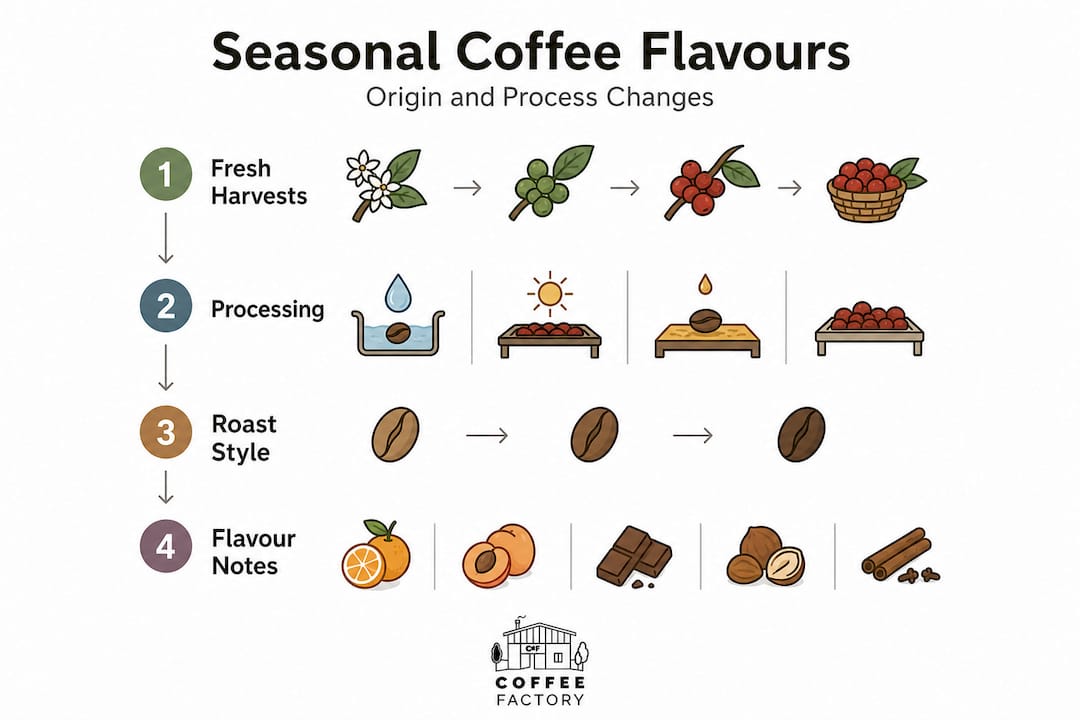
Flavour in coffee is determined by several overlapping factors: the variety of the coffee plant, the altitude and soil of the growing region, the climate during the growing season, and the processing method used after harvest. Season, in the calendar sense, is only one small variable. Origin and processing are far more influential.
Washed coffees, where the fruit is removed before drying, tend to produce cleaner, more delicate flavours with pronounced acidity. Natural process coffees, dried with the fruit intact, develop heavier body, lower acidity, and fruit-forward notes. Honey process coffees fall somewhere between the two. These differences are entirely independent of the time of year you buy the coffee. They are structural features of how the coffee was made.
As confirmed in analysis of seasonal roast adjustments, the flavour in seasonal coffee is more accurately attributed to origin and processing than to any calendar-driven approach. Knowing this helps you taste more intentionally.
Typical flavour characteristics by origin category:
- East African origins (Ethiopia, Kenya, Rwanda): Bright acidity, floral and berry notes, often with citrus undertones. Washed Ethiopian coffees are known for jasmine and lemon; naturals for blueberry and stone fruit.
- Central American origins (Guatemala, Honduras, Costa Rica): Balanced cups with chocolate, caramel, and light fruit. Washed processing dominates, producing clean, structured flavours.
- South American origins (Colombia, Brazil, Peru): Colombia offers nuanced sweetness and red fruit; Brazil tends towards nuts and chocolate with lower acidity. Both are widely available as single origins.
- Asian origins (Sumatra, Indonesia): Earthy, full-bodied, with low acidity and complex herbal or spiced notes. Often available in autumn and winter rotations due to harvest timing.
To taste seasonal coffees well, brew them simply. A good filter or pour-over setup removes variables and lets the coffee speak clearly. Allow the cup to cool slightly before tasting, as many fruity and floral notes are more apparent at lower temperatures. Brewing guidance is available in the coffee brewing tips section.
Buying single origin beans across different origins over several months is one of the most effective ways to build flavour awareness. Each new origin is a reference point. Over time, you develop an instinct for what harvest freshness tastes like versus older stock. Exploring the origin and flavour heritage of different coffees deepens that understanding further.
From flavour exploration, we move to the editorial perspective on what most coffee fans miss when chasing seasonal options.
What most coffee lovers miss about seasonality
Most UK coffee drinkers focus on roast darkness when trying to make sense of what they enjoy. Darker roast in winter, lighter in summer, the thinking goes. It is understandable. Roast level is visible and easy to reference. But it is, in practice, a less meaningful variable than origin and freshness combined.
The roast date on a bag is a more reliable quality indicator than the season it was released in. A coffee roasted three weeks ago from a fresh Ethiopian harvest will outperform a coffee roasted two months ago from an ageing Guatemalan lot, regardless of which month it is. Transparency from the roaster, specifically about roast date and harvest year, is the real quality signal.
There is also a missed opportunity in curiosity. Many UK drinkers stay close to familiar origins or blends, treating seasonal rotations as minor variants on what they already know. The more rewarding approach is to treat each seasonal release as a new reference point. Try something from a region you have not bought before. Pay attention to how origin shapes flavour and let that knowledge guide future choices.
Ask questions of your roaster. When did this lot arrive? What is the harvest year? How was it processed? Roasters who answer those questions clearly and specifically are the ones worth buying from. Seasonal coffee, at its best, is an invitation to learn something new about where coffee comes from and what it can taste like.
Discover your next favourite seasonal coffee
The Coffee Factory roasts fresh in Devon and ships directly to customers across the UK, with free delivery on coffee orders over 1kg. The seasonal range rotates regularly, reflecting new-crop arrivals and harvest timing from key origins worldwide.
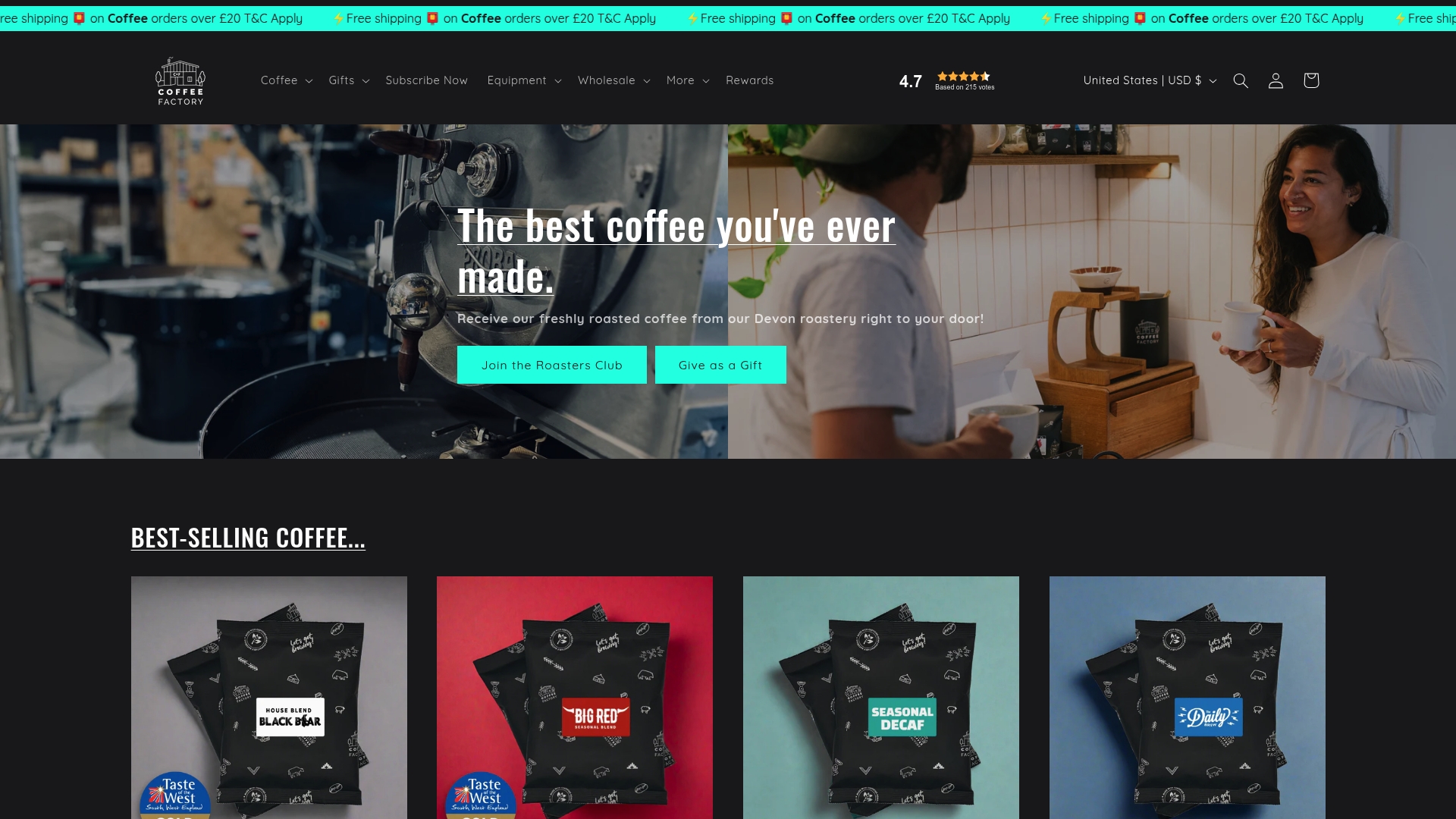
Explore the full range of unique coffee varieties available now, including limited seasonal lots and everyday favourites. The single origin selections are updated as new harvests arrive, with roast dates and harvest information provided for each product. For gifting, the seasonal coffee gifts section covers taster boxes, gift subscriptions and curated selections, all roasted fresh and delivered to order. Subscription options are also available for regular seasonal deliveries, making it straightforward to stay up to date with the best new-crop coffees as they become available throughout the year.
Frequently asked questions
Is seasonal coffee always about roast darkness or calendar months?
No. Seasonal coffee is determined by harvest timing and freshness, with flavour changes often reflecting origin, new-crop expression and processing method rather than roast level or time of year.
How can I tell if a coffee is genuinely seasonal and fresh?
Look for the roast date on the bag and harvest information in the product listing. UK roasters worth buying from rotate their single origins and communicate both roast and harvest timing clearly, as freshness is time-sensitive.
What flavour changes can I expect through the year with seasonal coffees?
Flavour shifts are primarily driven by origin and processing method rather than the calendar month. As seasonal roast research confirms, spring releases might bring brighter, floral notes from East African new-crops, while autumn sees richer, earthier profiles from Asian origins.
Are seasonal coffees better than regular blends?
Seasonal coffees can be fresher and show more distinct flavour profiles, but quality ultimately depends on roasting standards, origin transparency and freshness. Roasters who communicate harvest dates and rotate stock regularly are the most reliable indicator of genuine quality.
Making seasonal coffee work at home
Choosing a fresh, new-crop coffee is the first half of the job. The second half happens in your kitchen: how much you buy, how you store it and how you brew it all decide whether that freshness reaches the cup.
Matching coffee to the weather
Seasonality is driven by harvests, but there is nothing wrong with letting the weather guide your mood as well. Many people enjoy bright, floral coffees in spring and summer, often brewed as pour-over or cold brew, then move towards rounder cups with chocolate, nut and toffee notes in a cafetière or moka pot as the evenings draw in. Treat this as personal taste layered on top of freshness, not a replacement for it. A fresh coffee from a recent harvest will beat a stale one whatever the season.
Buy little and often
A large bag can look like good value, but coffee starts to fade once the bag is opened. Buying roughly two to three weeks' worth at a time keeps you within the best flavour window. Whole beans hold their character far longer than pre-ground coffee, which loses much of its aroma within days.
Store beans properly
- Use an airtight, opaque container, or reseal the original bag firmly.
- Keep beans away from heat, light and moisture, so not next to the oven or on a sunny windowsill.
- Grind just before brewing for the best results.
Match roast to brew method
Roast level and brew method need to suit each other. A very dark roast through a pour-over can taste harsh and ashy, while a light roast in a cafetière can come across thin. If a new coffee disappoints, try it with a different method before giving up on it.
Adjust your grind as beans age
Freshly roasted beans release carbon dioxide quickly, which affects extraction, so they sometimes need a slightly coarser grind. As the bag gets older, a touch finer can bring the flavour back. Change one thing at a time and taste as you go.
Watch your water temperature
Pouring water straight off the boil onto a light roast can pull out bitterness. Letting the kettle settle for a minute or so, to somewhere around 85 to 92°C, usually gives a sweeter, cleaner cup.
More questions about seasonal coffee
Should I choose a single origin or a blend when buying seasonally?
Single origins show the character of one harvest from one place, so the seasonal changes are much more noticeable. Blends combine several origins to taste consistent all year. If you want to taste how coffee changes through the year, single origins are the better choice.
How do I hear about new seasonal coffees before they sell out?
Limited lots can go quickly. Signing up to your roaster's newsletter or following them on social media is the easiest way to know when something new has landed.
Why does switching coffee through the year make a difference?
Drinking the same coffee every day for months can dull your palate. Changing what you buy gives you something new to notice, helps you learn how origin and processing affect flavour, and keeps the daily brew interesting.