

Coffee brewing methods: flavour and extraction explained
TL;DR:
- Brewing method significantly influences coffee flavour, extraction, and texture.
- Pour-over and AeroPress emphasise clarity and versatility, while French press and espresso offer richness and intensity.
- Proper technique, grinder quality, and water filtration are essential for consistent, balanced home coffee.
Most coffee enthusiasts spend considerable time selecting beans, tracking roast dates, and sourcing single-origins from far-flung farms. Yet the cup that ends up in your hand owes just as much to how you brew as to what you brew. Brewing method controls extraction, texture, aroma, and overall balance in ways that beans alone cannot determine. This guide walks through the science, the key methods, practical selection tips, and common mistakes, giving you a clear, usable framework for getting the most from every brew at home.
Table of Contents
- How brewing methods shape coffee flavour: Key science and standards
- Comparing major coffee brewing methods: Flavour, body and expert rankings
- Why and when to choose each method: Practical tips for home coffee
- Common mistakes and expert recommendations for UK home brewers
- Our honest perspective: Why experimentation trumps perfection with coffee brewing
- Discover premium UK coffees and home brewing resources
- Frequently asked questions
Key Takeaways
| Point | Details |
|---|---|
| Extraction is key | How you brew coffee determines flavour balance more than beans alone. |
| Choose the right method | Match brewing style to your taste, routine, and beans for optimal results. |
| Follow expert basics | Control grind size, water ratio, and temperature to improve every cup. |
| Experiment for best results | Small tweaks and personal trials matter more than chasing perfection. |
How brewing methods shape coffee flavour: Key science and standards
Understanding extraction is the foundation of better home coffee. Coffee brewing methods primarily control extraction of solubles from grounds, determining flavour balance through variables like grind size, temperature, ratio, time, and pressure. That single principle explains why two people using the same bag of beans can produce completely different results.
Extraction follows a sequence. Acids dissolve first, producing brightness and fruit notes. Sugars follow, adding sweetness and body. Bitters come last, and too much of them creates astringency and harshness. Hitting the sweet spot between these stages is the goal of every brewing decision you make.

The Speciality Coffee Association (SCA) has quantified this. SCA standards recommend a 1:15 to 1:17 coffee-to-water ratio, a brewing temperature of 195 to 205°F (90 to 96°C), an extraction yield of 18 to 22%, and a total dissolved solids (TDS) reading of 1.15 to 1.35% for optimal, balanced extraction. These numbers give home brewers a measurable target rather than guesswork.
The five main variables worth understanding are:
- Grind size: Finer grinds increase surface area and speed up extraction; coarser grinds slow it down.
- Water temperature: Higher temperatures extract faster and more completely.
- Brew time: Longer contact time pulls more solubles from the grounds.
- Coffee-to-water ratio: More coffee relative to water increases strength and body.
- Pressure: Used in espresso; accelerates extraction and produces crema.
For a deeper look at how these interact, the coffee extraction explained resource covers the chemistry in practical terms. You can also use the coffee brewing guide from The Coffee Factory for method-specific ratios and timings.
| Variable | Under-extraction effect | Over-extraction effect |
|---|---|---|
| Grind too coarse | Sour, thin, weak | N/A |
| Grind too fine | N/A | Bitter, harsh |
| Temp too low | Flat, undersweet | N/A |
| Temp too high | N/A | Astringent |
| Ratio too low | Watery, weak | N/A |
Pro Tip: Use filtered water with a TDS reading between 75 and 250 ppm. Tap water varies widely across the UK, and poor mineral content can blunt even the finest beans.
If you want context on where coffee science is heading, specialty coffee trends for 2026 show growing interest in precision brewing at home.
Comparing major coffee brewing methods: Flavour, body and expert rankings
With extraction science in mind, it becomes much easier to see why each brewing method produces a distinct result. Here is how the most popular methods compare.
Pour-over uses a medium-fine grind, paper filter, and a slow, controlled pour. Pour-over yields clean, bright, nuanced flavours with maximum control, and it is top-ranked by coffee experts for showcasing origin character. The paper filter removes oils and fine particles, producing a clear, lightweight cup. It rewards patience and precision.
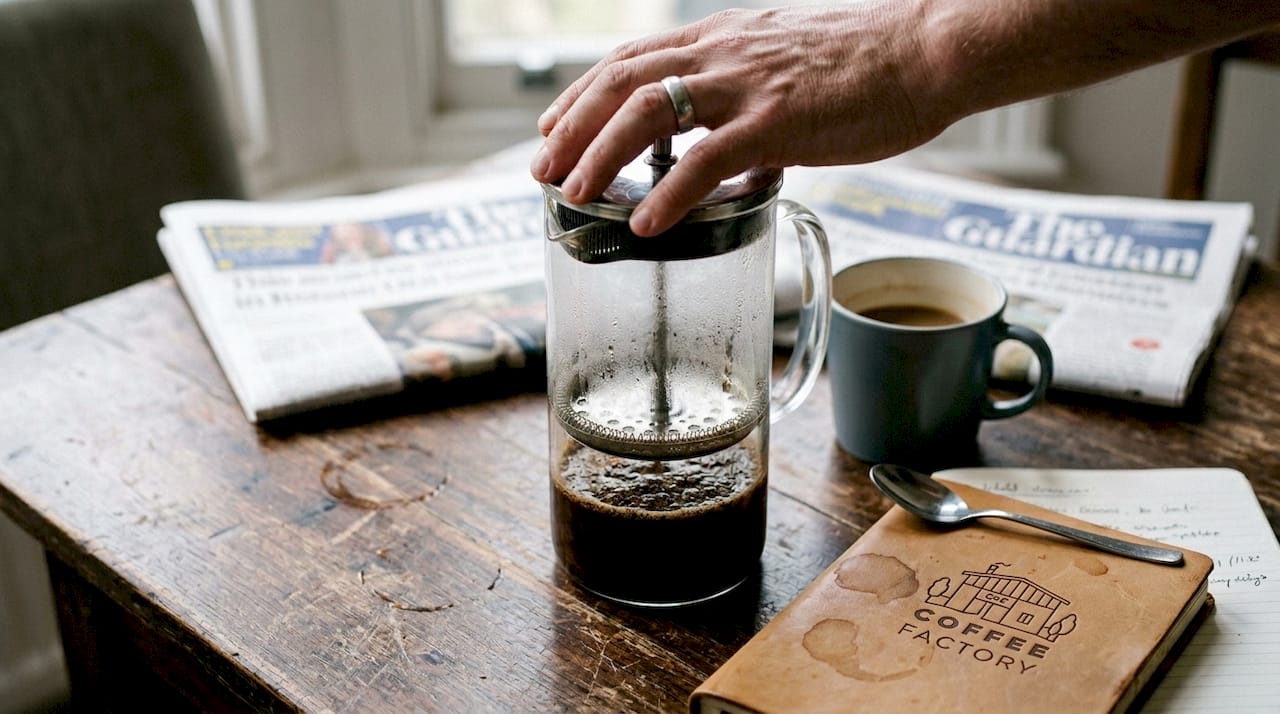
French press relies on immersion brewing. Coarse grounds steep directly in hot water, and a metal mesh plunger separates them. French press produces full body, visible oils, and some sediment, earning an expert ranking of around 3.75 out of 7. The tactile richness appeals to drinkers who prefer a heavier mouthfeel, though the sediment and oils are not for everyone.
Espresso forces hot water through finely ground, tightly packed coffee under 9 bars of pressure. The result is a concentrated, intense shot with a golden crema. It is technically demanding, and equipment costs are higher, but the flavour depth is hard to match. See a breakdown of espresso machine mechanics if you are weighing up the investment.
AeroPress is a compact, pressure-assisted brewer. AeroPress is versatile and concentrated, earning the number two expert ranking. It suits experimentation: you can adjust grind, steep time, and pressure to produce everything from espresso-style concentrate to a lighter filtered cup.
| Method | Grind size | Body | Flavour profile | Expert rank |
|---|---|---|---|---|
| Pour-over | Medium-fine | Light | Clean, bright, nuanced | #1 |
| AeroPress | Variable | Medium | Versatile, concentrated | #2 |
| Espresso | Fine | Full | Intense, bold, crema | Top tier |
| French press | Coarse | Full | Rich, oily, heavy | 3.75/7 |
For home brewers, coffee origin flavours vary significantly by region, and pour-over tends to amplify those distinctions most clearly. Roast level and brewing also interact: lighter roasts suit pour-over and AeroPress, while darker roasts often work well through espresso or French press.
When choosing coffee beans, consider the brewing method alongside roast level and origin to get the best possible result.
Why and when to choose each method: Practical tips for home coffee
Knowing what each method produces is one thing. Matching it to your routine, preferences, and equipment is another. Here is a practical framework.
- Prioritise flavour clarity: Choose pour-over for premium, single-origin beans where you want to taste the subtleties of origin and roast.
- Prioritise body and convenience: French press works well for robust blends and mornings when you want a hearty, hands-off brew.
- Prioritise intensity: Espresso suits those who want concentration, short drinks, or a base for milk-based coffees like flat whites or lattes.
- Prioritise flexibility: AeroPress is ideal for travel, experimentation, or anyone who enjoys varying their technique regularly.
- Consider clean-up time: Pour-over and AeroPress are quick to clean. Espresso machines require more maintenance.
- Consider cost: AeroPress and pour-over equipment is affordable. Espresso machines represent a significantly higher outlay.
Paper filters remove diterpenes, which are compounds linked to raised cholesterol, making filtered methods like pour-over a cleaner and potentially healthier option compared to French press or espresso. This is a practical consideration worth factoring in alongside flavour preferences.
For a thorough overview of home barista essentials, from scales to grinders to kettles, The Coffee Factory’s resource covers the core kit without overcomplicating things. And if you want to understand how texture affects your enjoyment, understanding coffee body explains why mouthfeel matters so much.
Pro Tip: Invest in a quality burr grinder before spending money on a new brewer. Consistent grind size is the single most controllable variable in home brewing, and it affects every method equally.
Common mistakes and expert recommendations for UK home brewers
Even with the right equipment and quality beans, small errors in technique produce disappointing results. These are the most common issues UK home brewers encounter.
- Ignoring grind size: Using a blade grinder or pre-ground coffee creates uneven particle sizes. Some particles over-extract while others under-extract, producing muddled, inconsistent flavour.
- Using unfiltered tap water: UK tap water quality varies significantly by region. Hard water in many areas dulls extraction and can produce flat, chalky results.
- Skipping scales and ratios: Eyeballing coffee and water amounts leads to inconsistency. A simple set of digital scales costs very little and removes a major variable.
- Incorrect water temperature: Boiling water straight from the kettle is too hot for most methods. Allow it to rest for 30 to 45 seconds after boiling, or use a temperature-controlled kettle.
- Neglecting equipment maintenance: Stale coffee oils build up in grinders, brewers, and carafes, adding bitterness to every subsequent cup.
UK home enthusiasts should prioritise a burr grinder and filtered water with a TDS of 75 to 250 ppm to match SCA benchmarks, and pour-over remains the recommended starting point for premium beans.
There is also a genuine debate within the coffee community. Some prefer immersion methods for the body they produce despite sediment; professionals often favour the control that percolation methods offer over sheer convenience. Neither view is wrong. The useful insight is that your preference should guide your method, not the other way around.
For more on making espresso at home with precision, home espresso insights covers the variables specific to machine brewing. And for a sharper understanding of coffee extraction tips that apply across all methods, the fundamentals remain consistent regardless of which brewer you use.
Our honest perspective: Why experimentation trumps perfection with coffee brewing
There is a tendency among home brewers to treat SCA standards as a finish line. Hit those numbers and the cup is good. Miss them and something went wrong. That framing is useful for calibration but limiting for enjoyment.
The reality is that personal taste rarely aligns perfectly with benchmarks. Some people genuinely prefer a slightly over-extracted pour-over with more bitterness. Others want a French press so heavy it almost chews. These preferences are not mistakes. They are preferences.
The flavour science behind roasting and brewing gives you tools, not rules. Small iterative changes, adjusting water temperature by a degree, coarsening the grind slightly, extending steep time by 15 seconds, produce learning as much as they produce coffee. That process of adjustment is where most of the satisfaction in home brewing actually lives. Sharing results with others, comparing notes on the same beans brewed differently, adds another layer of value that no standard can quantify.
Discover premium UK coffees and home brewing resources
For anyone ready to put this into practice, The Coffee Factory offers a range of freshly roasted unique coffee varieties suited to every method discussed here, from light single-origins ideal for pour-over to bold blends built for espresso.
The coffee brewing guide covers method-specific ratios, timings, and equipment recommendations to support your home setup. Taster Boxes and variety packs make it straightforward to try different origins across different brew methods. For anyone looking to share the experience, gifts for coffee lovers include gift subscriptions and curated sets that suit enthusiasts at every level. Free shipping on coffee orders over 1kg applies across the range.
Frequently asked questions
What is the most important factor in home coffee brewing?
Extraction control, including grind size, temperature, and ratio, is the key factor influencing taste and balance in the final cup.
Which brewing method is best for highlighting origin flavours?
Pour-over brewing with filtered water best showcases subtle origin notes and flavour clarity, making it the top-ranked choice among experts for single-origin coffees.
Do paper filters make coffee healthier?
Paper filters remove diterpenes, compounds linked to raised cholesterol levels, producing a cleaner cup compared to metal-filtered or immersion methods.
What common mistakes do UK home brewers make?
Many overlook proper grind size, water quality, and brew ratios. Prioritising a burr grinder and filtered water to SCA standards addresses the most frequent causes of inconsistent flavour.
Recommended
- Coffee roast levels: how they shape flavour and brewing
- Why coffee beans are roasted: flavour science explained
- Quick brew guide
- Coffee Brewing Guide
- Brewing guide for every method
- Fresh ground coffee
- Perfect your pour over coffee: A guide for UK enthusiasts
- Coffee checklist for beginners: essentials for a better brew