

What is coffee body? understanding its role in flavour
You've probably heard coffee described as 'full bodied' or 'light bodied', but what does that actually mean? Many coffee lovers confuse body with flavour intensity, when it's actually about how coffee feels in your mouth. Understanding coffee body transforms how you appreciate and brew your daily cup. This guide explores what body really means, what creates it, and how you can use this knowledge to choose beans and brewing methods that match your preferences perfectly.
Table of Contents
- What Is Coffee Body And How Is It Perceived?
- What Factors Influence Coffee Body? Origin, Processing, And Roast
- How Brewing Methods Shape Coffee Body And Texture
- Applying Knowledge Of Coffee Body To Enhance Your Coffee Experience
- Enhance Your Coffee Journey With Coffee Factory
- Frequently Asked Questions
Key takeaways
| Point | Details |
|---|---|
| Body is mouthfeel, not flavour | Coffee body describes the physical texture and weight you feel on your palate, separate from taste |
| Origin and processing matter | Asian coffees tend toward fuller body whilst African beans often feel lighter and brighter |
| Roast level changes texture | Darker roasts typically produce heavier mouthfeel due to increased oil extraction |
| Brewing method controls body | Paper filters create lighter body whilst metal filters and immersion methods yield fuller texture |
| Match body to your preferences | Understanding body helps you select beans and brewing techniques for your ideal coffee experience |
What is coffee body and how is it perceived?
Coffee body refers to the mouthfeel or physical sensation of coffee on your palate, completely distinct from its flavour profile. When you sip coffee, your mouth registers weight, viscosity, and texture before your taste buds identify fruity, chocolatey, or nutty notes. This tactile dimension comes from suspended materials in the brew, primarily lipids (coffee oils) and insoluble solids (tiny coffee particles called fines).
Think of body like the difference between skimmed milk and whole milk. Both are milk, both taste similar, but one feels substantially heavier and creamier in your mouth. Coffee works the same way. A light bodied Ethiopian coffee might feel almost tea like and delicate, whilst a Sumatran coffee from the Asia Pacific region can feel syrupy and coating.
Body characteristics include:
- Weight: how heavy or substantial the coffee feels
- Viscosity: how thick or thin the liquid seems
- Density: the concentration of suspended particles
- Texture: smooth, creamy, silky, or gritty sensations
Perception of body varies between individuals. Some people are highly sensitive to textural differences, whilst others focus primarily on flavour. Your saliva composition, palate sensitivity, and even what you've eaten recently can influence how you experience body. This subjectivity makes coffee tasting wonderfully personal.
“Coffee body is influenced by factors like origin, processing, roast, and brewing method, creating distinct mouthfeel experiences.”
The suspended oils and particles that create body also carry aromatic compounds, which is why body and flavour often correlate. Heavier bodied coffees tend to have deeper, earthier flavours, whilst lighter bodies often accompany brighter, more acidic profiles. Understanding this connection helps you predict what a coffee might taste like based on its textural qualities.
What factors influence coffee body? origin, processing, and roast
Three primary factors determine a coffee's body before it ever reaches your brewer: where the beans grow, how they're processed, and how they're roasted. Each element contributes differently to the final mouthfeel you experience.
Origin plays a fundamental role in body characteristics. Asia Pacific coffees like Sumatra and Java typically deliver full, heavy bodies with earthy, mushroom like qualities. Central American coffees from Guatemala or Costa Rica often present medium body with balanced sweetness. African coffees, particularly from Ethiopia and Kenya, tend towards lighter bodies that feel crisp and wine like. These differences stem from bean density influenced by climate, soil composition, and altitude.
Processing methods dramatically affect how much body ends up in your cup. Natural processed coffees, where beans dry inside the cherry, absorb more sugars and compounds, creating heavier, fruitier bodies. Washed processing removes the fruit before drying, resulting in cleaner, lighter bodies that highlight origin characteristics. Honey processing sits between these extremes, offering medium body with some fruit sweetness retained.
Roast level significantly impacts body through chemical and physical changes. Darker roasts increase bean porosity, making oils and particles easier to extract during brewing. This creates the thick, syrupy mouthfeel associated with Italian espresso or French roast. Light roasts preserve bean structure, yielding lighter body but higher acidity and more delicate flavours.
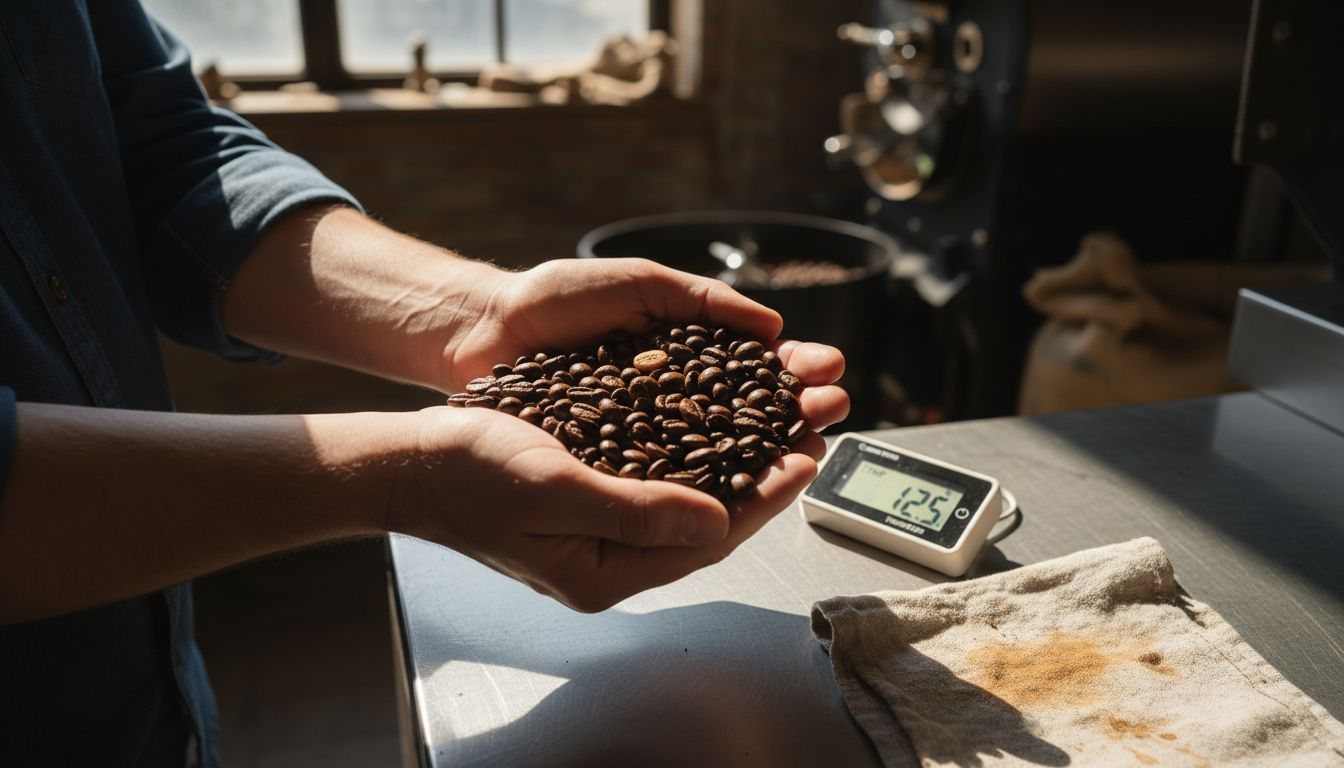
| Factor | Light Body | Medium Body | Heavy Body | Origin | Ethiopia, Kenya | Colombia, Brazil | Sumatra, Java | | Processing | Washed | Honey | Natural | | Roast Level | Light | Medium | Dark | | Texture | Tea like, delicate | Balanced, smooth | Syrupy, coating | | Typical Flavours | Floral, citrus | Chocolate, caramel | Earthy, spicy |
Pro Tip: When exploring single origin coffee beans, start with medium roasts to experience the origin's natural body before trying lighter or darker versions. This baseline helps you understand how roasting modifies the bean's inherent characteristics.
The interaction between these factors creates infinite variety. A naturally processed Ethiopian coffee roasted dark will behave completely differently than the same bean washed and roasted light. This complexity makes coffee endlessly fascinating for enthusiasts willing to experiment.
How brewing methods shape coffee body and texture
Your brewing method determines which oils and particles make it from ground coffee into your cup, fundamentally controlling body regardless of bean choice. Filtration and extraction mechanics vary dramatically across brewing techniques.
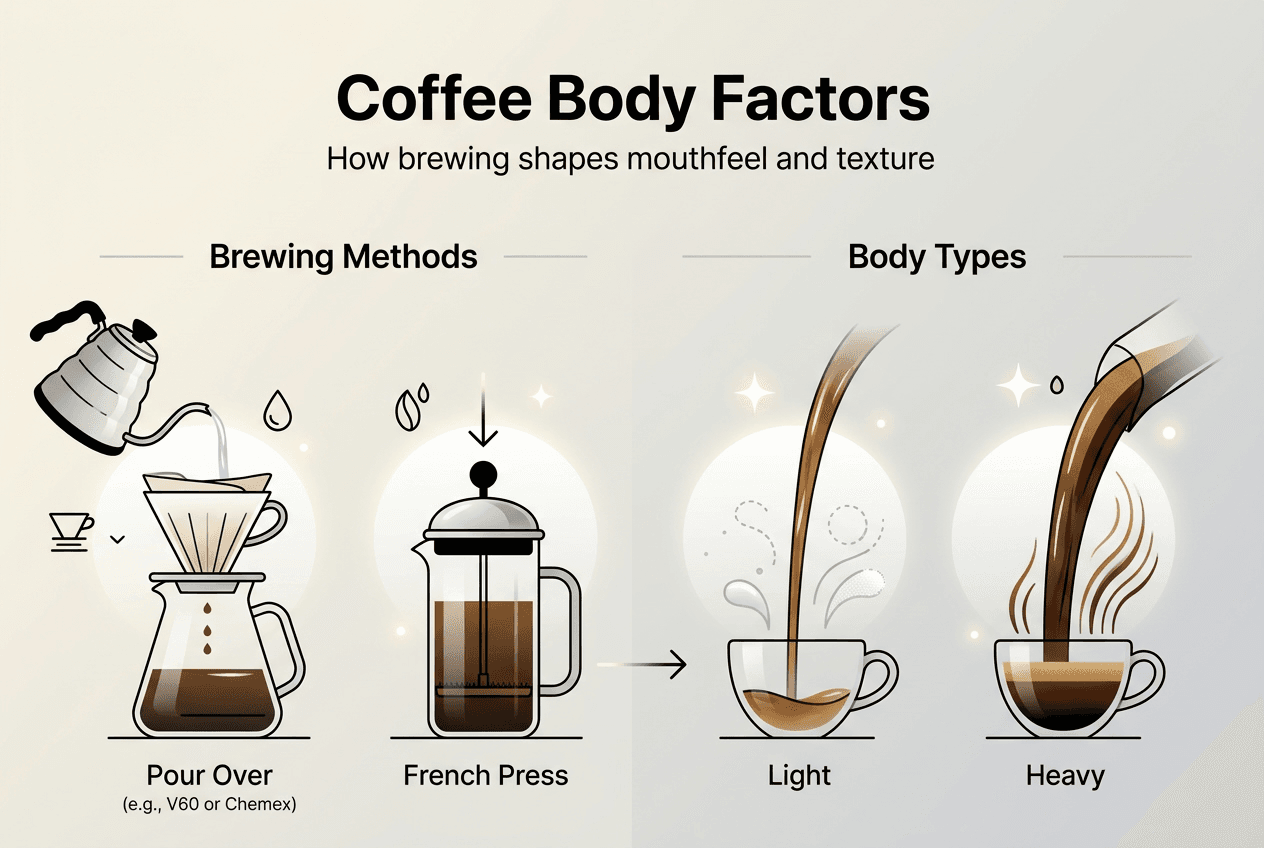
Paper filters create the lightest bodies by trapping oils and fine particles. Pour over methods like V60 or Chemex produce clean, transparent cups where paper filters remove suspended solids, letting origin flavours shine without textural interference. This clarity appeals to those who prioritise tasting subtle flavour notes over mouthfeel richness.
Metal or mesh filters allow oils and fines through, producing substantially fuller bodies. French Press exemplifies this approach, steeping grounds in water before pressing them down with a metal screen. The result is a textured, heavy cup with visible oils floating on the surface. AeroPress with a metal filter creates similar fullness whilst offering more control over extraction time.
Cold brew delivers uniquely heavy, smooth body through extended steeping at room temperature or below. The long extraction (12 to 24 hours) pulls out oils and compounds whilst minimising acidity, creating an almost creamy mouthfeel even when served over ice. This method suits those who find traditional coffee too sharp or acidic.
Espresso produces the thickest, most concentrated body through high pressure extraction. Nine bars of pressure forces water through finely ground coffee in 25 to 30 seconds, emulsifying oils into the distinctive crema layer. This intensity makes espresso the foundation for milk drinks, where body must stand up to steamed milk's texture.
| Brewing Method | Filter Type | Typical Body | Best For |
|---|---|---|---|
| Pour Over (V60, Chemex) | Paper | Light, clean | Highlighting origin flavours |
| French Press | Metal mesh | Heavy, textured | Full mouthfeel lovers |
| AeroPress | Paper or metal | Light to medium | Versatile experimentation |
| Espresso | Metal basket | Very heavy, concentrated | Intense flavour and texture |
| Cold Brew | None (immersion) | Heavy, smooth | Low acidity preference |
| Moka Pot | Metal | Medium to heavy | Stovetop convenience |
To select the right brewing method for your desired body:
- Identify your texture preference: do you want clean and light or rich and heavy?
- Match filtration to preference: paper for lighter, metal for heavier body
- Consider extraction time: longer steeping generally increases body
- Adjust grind size: finer grinds extract more oils and particles, increasing body
- Experiment with ratios: more coffee to water typically creates fuller body
Pro Tip: If you own an AeroPress, try brewing the same coffee with both paper and metal filters to directly compare how filtration affects body. This side by side tasting dramatically illustrates the concept. Our quick brew guide offers detailed instructions for various methods.
Grind size interacts powerfully with brewing method to control body. Finer grinds increase surface area, extracting more oils and creating suspended particles that add texture. However, too fine can lead to over extraction and bitterness. Coarser grinds reduce body but can highlight clarity and brightness. Finding the sweet spot for your chosen method and desired body takes experimentation but transforms your coffee quality. Explore more techniques in our comprehensive coffee brewing guide.
Applying knowledge of coffee body to enhance your coffee experience
Understanding body empowers you to make informed choices that align brewing methods and bean selection with your sensory preferences. This knowledge transforms coffee from a caffeine delivery system into a customisable sensory experience.
Body correlates strongly with flavour profiles in predictable ways. Heavier body often accompanies chocolate forward or nutty profiles, particularly in darker roasts from Indonesia or Brazil. The syrupy mouthfeel carries these rich, deep flavours effectively. Conversely, lighter body typically highlights acidity and origin specific notes like jasmine, bergamot, or stone fruit, common in African coffees. Balancing texture and transparency helps you achieve your desired flavour experience.
Practical tips for choosing coffee based on desired body:
- For heavy, coating mouthfeel: select naturally processed beans from Sumatra, brew with French Press or espresso
- For light, tea like texture: choose washed Ethiopian or Kenyan beans, use pour over with paper filters
- For balanced, versatile body: try honey processed Central American coffees with medium roast, brew with AeroPress
- For smooth, low acid body: use cold brew method with any origin, extend steeping time
Matching brewing method to bean characteristics maximises your enjoyment. A delicate, floral Ethiopian Yirgacheffe shines in a V60 where paper filtration preserves its clarity, but might taste thin and underwhelming in a French Press. Meanwhile, a bold Sumatran Mandheling reaches its full potential in immersion brewing but could overwhelm a pour over's subtlety.
Steps to experiment and refine your body preferences:
- Start with a medium body coffee to establish a baseline reference point
- Brew the same beans using different methods to isolate brewing's effect on body
- Try beans from different origins using your preferred brewing method to understand regional body characteristics
- Adjust one variable at a time (grind size, water temperature, brew time) to learn how each affects texture
- Keep notes on what you enjoy to identify patterns in your preferences
Tasting different origins and roast levels systematically develops your palate's ability to distinguish body variations. Many coffee enthusiasts discover they prefer different bodies for different occasions: light, bright coffee in the morning, heavier, richer coffee after meals. This versatility enhances your overall coffee experience.
Pro Tip: Start your body exploration with medium roast coffees from various origins. Medium roasts preserve enough origin character to taste regional differences whilst providing sufficient development to extract good body. This approach builds palate versatility without overwhelming you with extreme characteristics. Browse our dark roast coffee and light roast coffee collections once you've established your preferences.
Remember that personal preference trumps conventional wisdom. Some people adore heavy, chewy espresso whilst others find it overwhelming. Neither is wrong. Understanding body simply gives you the vocabulary and knowledge to consistently create coffee experiences you genuinely enjoy.
Enhance your coffee journey with Coffee Factory
Now that you understand how origin, processing, roast, and brewing method shape coffee body, you're ready to explore coffees that match your textural preferences. Coffee Factory offers an extensive selection of unique coffee varieties from around the world, each with distinct body characteristics waiting to be discovered.

Our Devon roastery carefully curates beans from light, delicate African origins to heavy, syrupy Indonesian coffees, ensuring you'll find the perfect body for your palate. Whether you prefer the clean transparency of our light roast coffee range or the rich, coating mouthfeel of our dark roast coffee selection, every bag arrives freshly roasted to your door with free UK delivery on coffee orders over 1kg. Explore our collection today and experience how understanding body transforms your daily coffee ritual into a personalised sensory journey.
Frequently asked questions
What is coffee body?
Coffee body is the tactile sensation or mouthfeel you experience when drinking coffee, separate from its flavour. It describes how heavy, thick, or coating the liquid feels on your palate, determined by suspended oils and fine particles in the brew.
How does brewing method affect coffee body?
Brewing method dramatically changes body through filtration differences. Paper filters remove oils and particles for lighter body, whilst metal filters and immersion methods like French Press allow these elements through for heavier, more textured mouthfeel.
Does roast level impact coffee body?
Yes, roast level significantly affects body. Darker roasts increase bean porosity, making oils easier to extract and creating heavier, syruper mouthfeel. Light roasts preserve bean structure for lighter body with more acidity and delicate flavours.
How can I identify my preferred coffee body?
Experiment systematically by trying the same coffee brewed different ways, then different origins using your preferred method. Keep notes on which textures you enjoy, whether light and tea like or heavy and coating, to identify your body preferences.
Should I match coffee body to flavour preferences?
Generally yes, as body and flavour correlate naturally. Heavier bodies pair well with chocolate, nutty, earthy flavours, whilst lighter bodies complement bright, acidic, fruity notes. However, personal preference always matters most, so experiment to find combinations you genuinely enjoy.
Recommended
- Strong Coffee Pods – Bold, Dark Roast & Nespresso Compatible
- Origin coffee beans: flavours, types and heritage 2026
- Buy Dark Roast Coffee – Bold, Rich & Smoky Flavour
- Buy Light Roast Coffee – Bright, Smooth & Full of Flavour
- Brewing guide for every method
- Fresh ground coffee
- Perfect your pour over coffee: A guide for UK enthusiasts
- Coffee checklist for beginners: essentials for a better brew