

Origin coffee beans: flavours, types and heritage 2026
Many coffee drinkers assume that beans from different regions taste fundamentally similar, yet the geographical origin of coffee profoundly shapes every sip you take. The soil composition, altitude, climate, and even local processing traditions create distinctive flavour profiles that transform coffee from a simple beverage into a cultural artefact. This article explores the significance of origin coffee beans, tracing their historical roots, comparing single-origin varieties with evolving blends, and providing practical guidance to help you select coffees that match your palate whilst deepening your appreciation for this remarkable global commodity.
Table of Contents
- What Are Origin Coffee Beans And Why They Matter
- Historical And Modern Significance Of Origin Coffee Beans
- Comparing Single-Origin And Blends: Flavour Profiles And Quality
- How To Choose And Enjoy Origin Coffee Beans
- Discover Unique Origin Coffees And Blends At Coffee Factory
Key takeaways
| Point | Details |
|---|---|
| Geography shapes flavour | Soil, altitude, and climate create unique taste profiles in coffee beans from different regions. |
| Single-origin offers traceability | These coffees provide distinct, region-specific flavours and transparent sourcing information. |
| Legal protections matter | Geographical indications safeguard unique coffee varieties and support local producers economically. |
| Blends have evolved | Modern specialty coffee embraces blends as an art form, combining origins for innovative flavours. |
| Knowledge empowers choice | Understanding origin helps you select coffees aligned with your taste preferences and brewing methods. |
What are origin coffee beans and why they matter
Origin coffee beans refer to coffee sourced from specific geographical regions, each possessing unique environmental conditions that fundamentally influence the final cup. The term encompasses both single-origin coffees, which come from one defined location, and origin-designated blends that transparently identify their component regions. Understanding these distinctions helps you navigate the specialty coffee landscape with confidence.
The environment where coffee grows dictates its flavour profile in remarkable ways. Altitude affects bean density and acidity, with higher elevations typically producing brighter, more complex coffees. Volcanic soils rich in minerals contribute earthy or fruity notes, whilst rainfall patterns and temperature fluctuations during growing seasons shape sweetness and body. These factors combine to create what coffee professionals call terroir, borrowed from wine terminology but equally applicable to coffee.
Legal frameworks protect distinctive regional coffees through geographical indications and trademarks, which certify that beans meet specific quality standards tied to their origin. These protections prevent misrepresentation and create economic opportunities for producers in regions like Colombia, Ethiopia, and Jamaica. When you purchase coffee with geographical indication status, you support sustainable farming communities whilst ensuring authentic flavour experiences.
Traceability has become increasingly important to discerning coffee enthusiasts. Single origin coffee beans offer complete transparency about where and often how the coffee was grown, processed, and roasted. This information allows you to:
- Verify ethical sourcing practices and fair compensation for farmers
- Predict flavour characteristics based on regional profiles
- Explore seasonal variations from specific estates or cooperatives
- Build relationships with producers through consistent purchasing
The specialty coffee beans category has expanded dramatically as consumers demand greater origin transparency. Roasters now provide detailed information about farm elevation, processing methods, and even individual lot numbers. This level of detail transforms coffee purchasing from a commodity transaction into an educational journey.
Pro Tip: When exploring new origins, start with a light roast to experience the region’s inherent characteristics before trying darker roasts that emphasise roasting techniques over terroir.
Historical and modern significance of origin coffee beans
Coffee’s journey from Ethiopian forests to global commodity status reflects centuries of cultural exchange and trade innovation. The beverage spread through the Arabian Peninsula in the 15th century, with Yemen’s port of Mocha becoming synonymous with coffee quality. Indonesian islands under Dutch colonial rule began cultivation in the 17th century, creating the conditions for history’s most enduring coffee blend.
The oldest known coffee blend is Mocha Java, combining Yemeni beans with Indonesian varieties to balance Yemen’s winey, fruity notes against Java’s earthy, full body. This blend emerged from practical shipping routes where traders mixed coffees from different ports, accidentally discovering that combining origins could create more complex flavour profiles than either component alone. Mocha Java remains popular today, demonstrating how historical accident can become enduring tradition.
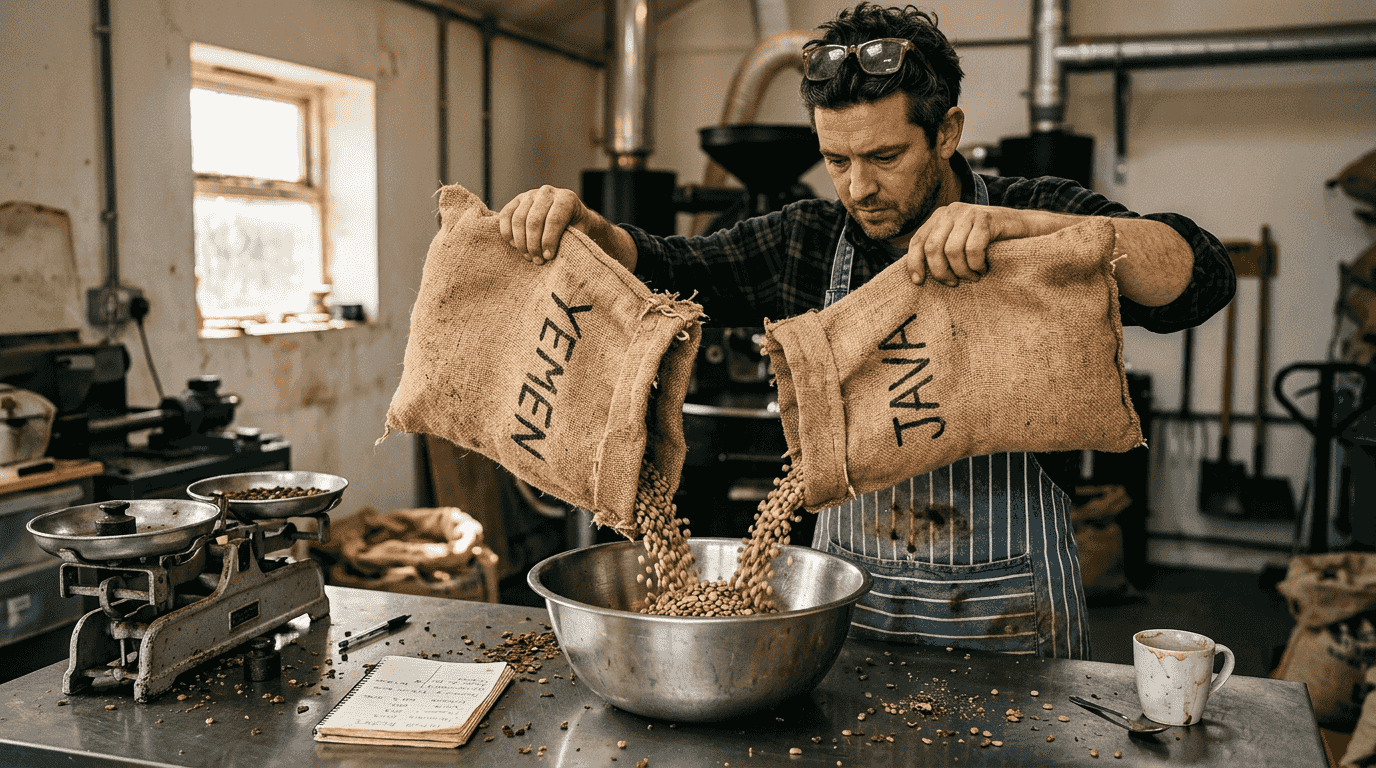
Traditionally, blends carried connotations of inferior quality, viewed as methods to mask defects or stretch expensive beans with cheaper alternatives. Commodity coffee markets reinforced this perception by creating generic blends focused on consistency and low cost rather than flavour excellence. Single-origin coffees, by contrast, signalled transparency and quality, appealing to consumers seeking authentic experiences.
Modern specialty coffee has fundamentally challenged these assumptions. Skilled roasters now approach blending as creative craftsmanship, selecting complementary origins to achieve specific flavour goals unattainable with single regions alone. This evolution reflects several factors:
- Improved global coffee quality has expanded the palette of excellent beans available for blending
- Advanced roasting technology allows precise development of each origin before blending
- Consumer education has created appreciation for intentional, transparent blending practices
- Seasonal availability challenges make well-designed blends more consistent year-round than single origins
- Competition among roasters drives innovation in flavour profile development
Coffee origin history also illuminates colonial legacies and ongoing economic inequalities. Many renowned coffee regions developed under exploitative colonial systems that prioritised export crops over local food security. Understanding this context adds depth to your appreciation whilst encouraging support for ethical sourcing initiatives that redistribute value to producing communities.
“The story of coffee origins is inseparable from the story of globalisation itself, tracing trade routes, cultural exchanges, and power dynamics that continue shaping our world today.”
Contemporary premium coffee blends celebrate origin diversity rather than obscuring it, with roasters providing detailed breakdowns of component beans and their contributions to the final cup. This transparency represents a significant shift from commodity blending practices, positioning blends as legitimate expressions of roasting artistry.
Comparing single-origin and blends: flavour profiles and quality
Single-origin coffees showcase the unique characteristics of specific regions, estates, or even individual processing lots. These coffees offer transparency and traceability, allowing you to experience terroir directly. Ethiopian Yirgacheffe might present floral, tea-like qualities with bergamot notes, whilst Sumatran Mandheling delivers earthy, herbal flavours with syrupy body. This distinctiveness appeals to enthusiasts seeking to explore coffee’s geographical diversity.
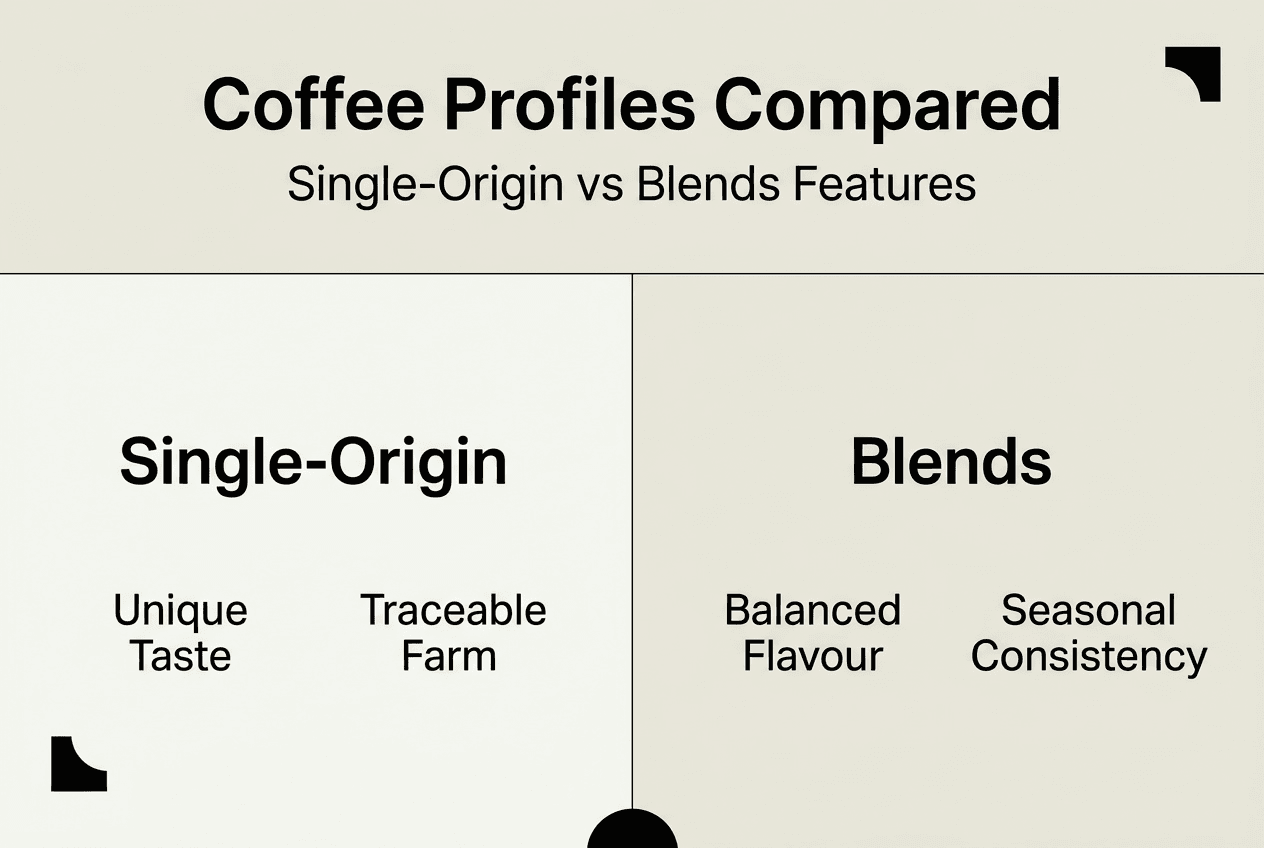
Blends combine beans from multiple origins to achieve specific flavour goals, balance seasonal variations, or create signature profiles. A breakfast blend might pair bright Central American beans with chocolatey Brazilian coffee for approachable sweetness and moderate acidity. Espresso blends often incorporate multiple origins to build complexity, crema stability, and flavour persistence that holds up to milk. Specialty coffee blends have evolved from commodity products into sophisticated creations that rival single-origins in quality and appeal.
| Aspect | Single-Origin | Blends |
|---|---|---|
| Flavour profile | Distinct, region-specific characteristics; seasonal variation | Balanced, consistent; designed flavour complexity |
| Traceability | Complete transparency to farm or cooperative level | Variable; quality blends specify component origins |
| Quality potential | Showcases exceptional terroir when sourced well | Skilled blending can exceed individual components |
| Best uses | Filter brewing, pour-over, exploring regional diversity | Espresso, consistency-focused applications, milk drinks |
| Price range | Wide variation; rare microlots command premium prices | Generally moderate; economies of scale possible |
| Seasonal availability | Limited to harvest periods; flavour shifts year to year | More consistent year-round through component rotation |
The quality of both categories depends entirely on sourcing, processing, and roasting expertise rather than the single-origin versus blend distinction itself. Poorly sourced single-origins disappoint just as commodity blends do, whilst exceptional examples of each category deliver remarkable experiences. Modern specialty roasters apply equal rigour to both approaches.
Consumer preference often reflects intended use and personal taste priorities. Single-origin enthusiasts value:
- Exploring geographical diversity and seasonal variations
- Supporting specific farming communities through direct relationships
- Experiencing unmanipulated terroir expression
- Educational opportunities to develop palate sensitivity
Blend advocates appreciate:
- Consistent flavour profiles for daily drinking routines
- Balanced complexity that appeals to varied palates
- Optimised performance in specific brewing methods, especially espresso
- Year-round availability without quality fluctuations
You can explore both categories through single origin coffee and coffee blends range offerings, discovering which approach suits your brewing habits and flavour preferences. Many enthusiasts maintain selections of both, choosing based on mood, brewing method, and occasion.
Pro Tip: When evaluating blends, seek roasters who transparently identify component origins and explain their blending rationale, distinguishing thoughtful craftsmanship from commodity mixing.
How to choose and enjoy origin coffee beans
Selecting origin coffee beans that match your preferences requires understanding regional flavour tendencies and how roasting and brewing affect final cup characteristics. This knowledge transforms purchasing from guesswork into intentional exploration, helping you discover coffees that genuinely excite your palate.
Familiarise yourself with typical flavour profiles from major coffee regions. African coffees, particularly Ethiopian and Kenyan varieties, often present bright acidity with fruit and floral notes ranging from blueberry to jasmine. Central American coffees like those from Guatemala or Costa Rica typically offer balanced profiles with chocolate, nut, and citrus characteristics. South American beans, especially Colombian and Brazilian, tend towards nutty, caramel sweetness with moderate acidity. Indonesian coffees deliver earthy, herbal, and spicy notes with heavy body.
Roast level significantly impacts how origin characteristics express themselves in the cup. Light roasts preserve delicate origin nuances, highlighting acidity, floral notes, and fruit characteristics inherent to the bean. Medium roasts balance origin expression with developed sweetness and body, appealing to those seeking approachable complexity. Dark roasts emphasise roasting techniques over terroir, developing bold, smoky, or chocolatey notes that can mask subtle regional differences. Explore light roast coffee options to experience origin characteristics fully, or try dark roast coffee for robust, traditional profiles.
Brewing method compatibility matters when selecting origin beans. Pour-over and filter methods excel at showcasing single-origin clarity and nuance, making them ideal for exploring regional diversity. Espresso demands different characteristics, favouring origins or blends with sufficient body, sweetness, and flavour persistence to shine through milk or stand alone as concentrated shots. Cold brew benefits from origins with chocolate and nut notes that develop smooth, sweet characteristics through extended extraction.
Follow these steps to maximise your origin coffee experience:
- Purchase whole beans rather than pre-ground coffee to preserve aromatics and flavour compounds
- Check roasting dates and prioritise beans roasted within the past two to four weeks
- Store beans in airtight containers away from light, heat, and moisture to prevent staling
- Grind immediately before brewing using appropriate grind size for your chosen method
- Use filtered water heated to proper temperature (90-96°C for most methods) to extract optimally
- Experiment with brew ratios and extraction times to dial in your preferred strength and flavour balance
Quality indicators extend beyond origin designation. Seek beans with detailed information about processing method (washed, natural, honey), elevation, and harvest date. Specialty grade classifications (80+ points on the SCA scale) indicate rigorous quality assessment. Certifications like Fair Trade, Rainforest Alliance, or Direct Trade suggest ethical sourcing practices, though direct relationships between roasters and farmers often provide even greater assurance.
Consult resources like coffee brewing guide materials to refine your technique and extract the best possible flavours from quality origin beans. Proper brewing technique matters as much as bean selection in achieving excellent results.
Discover unique origin coffees and blends at Coffee Factory
Now that you understand the significance of coffee origins and how they shape flavour, it’s time to experience this diversity firsthand. Coffee Factory offers an extensive selection of single origin coffees and premium coffee blends roasted fresh in Devon and delivered quickly across the UK.
Our curated range showcases exceptional beans from renowned coffee regions worldwide, each selected for distinctive character and quality. Whether you’re exploring bright African varietals, balanced Central American offerings, or innovative blends that celebrate origin diversity, you’ll find unique coffee varieties that reflect their heritage whilst delivering consistently excellent cups. Free delivery on coffee orders over 1kg ensures your coffee arrives fresh and ready to brew.
FAQ
How can I identify the region of origin from coffee packaging?
Look for clear labelling that states the country, region, or specific farm where the coffee was grown. Quality roasters prominently display origin information alongside details like altitude, processing method, and roast date. Geographical indication certifications or estate names provide additional verification of authentic regional sourcing.
Are single-origin coffees always better than blends?
Quality depends on bean selection, processing rigour, and roasting skill rather than the single-origin versus blend distinction alone. Exceptional blends can deliver complexity and balance that surpass mediocre single-origins, whilst poorly sourced single-origins disappoint despite their traceability. Your preference should reflect personal taste priorities and intended brewing applications.
What impact does roasting have on origin coffee flavours?
Light roasts preserve inherent origin characteristics like acidity, floral notes, and fruit flavours that reflect terroir. Darker roasts develop bold, caramelised, or smoky notes through the roasting process itself, often masking subtle regional distinctions. Medium roasts balance origin expression with developed sweetness, offering accessible complexity for most palates.
How do geographical indications benefit local coffee producers?
Geographical indications legally protect unique coffee identities, preventing misrepresentation and establishing quality standards tied to specific regions. These protections help producers access premium markets, command fair prices, and build brand recognition for their distinctive coffees. The economic opportunities created support sustainable farming communities and preserve traditional cultivation practices.
Recommended
- Single Origin Coffee Beans – Freshly Roasted & Traceable
- Buy Unique Coffee Varieties online at Coffee Factory | Fast Delivery
- Strong Coffee Pods – Bold, Dark Roast & Nespresso Compatible
- Specialty Coffee Beans – Expertly Roasted & Fully Traceable
- Coffee subscriptions
- How coffee origin shapes the taste in your cup
- Seasonal coffee: flavours, freshness and origins explained