

Coffee roast levels: how they shape flavour and brewing
Many coffee drinkers assume that a darker roast simply means a stronger cup. That assumption is understandable, but it misses most of the story. Roast level shapes far more than perceived strength. It determines acidity, aroma, body, solubility, and even which brewing method will serve your beans best. Whether you reach for a light Ethiopian single origin or a bold dark espresso blend, understanding what happens during roasting gives you real control over what ends up in your cup. This guide covers the full picture: what roast levels are, how they affect flavour and aroma, how to brew each one well, and how to choose the right roast for your preferences.
Table of Contents
- What are coffee roast levels?
- How roast levels influence flavour and aroma
- Roast levels and brewing methods: getting the best from your beans
- Choosing the right roast for you
- Elevate your coffee experience with expert sourcing and guidance
- Frequently asked questions
Key Takeaways
| Point | Details |
|---|---|
| Roast level defines flavour | Light, medium, and dark roasts bring distinctly different tastes and aromas to your cup. |
| Brewing method matters | Tailor your grind size and water temperature to the roast for optimal extraction. |
| Preferences are personal | The best roast depends on your ideal flavours and brewing style—experimentation is key. |
| Roast scales help standardise | Industry tools like Agtron and SCA scales make it easier to match beans with flavour profiles. |
What are coffee roast levels?
Roast level refers to how far along the roasting process a coffee bean has been taken. The further it goes, the more the bean’s internal chemistry changes. The industry broadly uses three categories: light, medium, and dark. Within those, you will find subcategories such as medium-light, medium-dark, and full dark, each with distinct characteristics.
Two key frameworks help standardise these distinctions. The Specialty Coffee Association (SCA) uses an 8-level classification system, while the Agtron numeric scale runs from 95 (very light) to 25 (very dark), giving roasters a precise, colour-based measurement tool. Colour is the primary indicator of roast level, not taste or origin alone. Understanding the roast science basics helps clarify why this matters.
During roasting, beans pass through two key milestones known as first crack and second crack. First crack marks the point where light roasts are typically stopped. Second crack signals the territory of darker roasts. Research confirms a universal colour curve in CIELAB space for arabica beans, consistent across different origins and roast profiles at these milestones.
Here is a quick reference for the main roast categories:
| Roast level | Agtron range | Surface appearance | Typical flavour notes |
|---|---|---|---|
| Light | 70-95 | Dry, tan to light brown | Floral, fruity, high acidity |
| Medium | 50-70 | Dry to slightly oily | Balanced, sweet, mild acidity |
| Medium-dark | 35-50 | Slight oil sheen | Richer body, lower acidity |
| Dark | 25-35 | Oily, near black | Bitter, smoky, bold |
Key points to remember:
- Roast level is measured by colour, not by how the coffee tastes in the cup
- The same origin bean can taste very different depending on roast level
- Colour standardisation helps roasters and buyers communicate consistently
“The Agtron scale gives roasters a reliable, objective way to communicate roast degree across the industry, removing guesswork from the process.”
How roast levels influence flavour and aroma
With the technical framework in place, the next step is understanding how each roast level directly affects what you taste and smell. Roast levels influence not only taste qualities such as acidity, body, and bitterness, but also the aroma compounds that develop and the aftertaste that lingers.
Light roasts preserve more of the bean’s original character. You get pronounced acidity, delicate floral or fruity notes, and a livelier, more complex aroma. These coffees often taste bright and clean. Medium roasts strike a balance. Acidity softens, sweetness becomes more prominent, and the body fills out. Many people find medium roasts the most approachable. Dark roasts push into bolder territory. Bitterness increases, smoky or chocolatey notes emerge, and the mouthfeel becomes heavier. Understanding coffee body helps you appreciate why this shift happens.
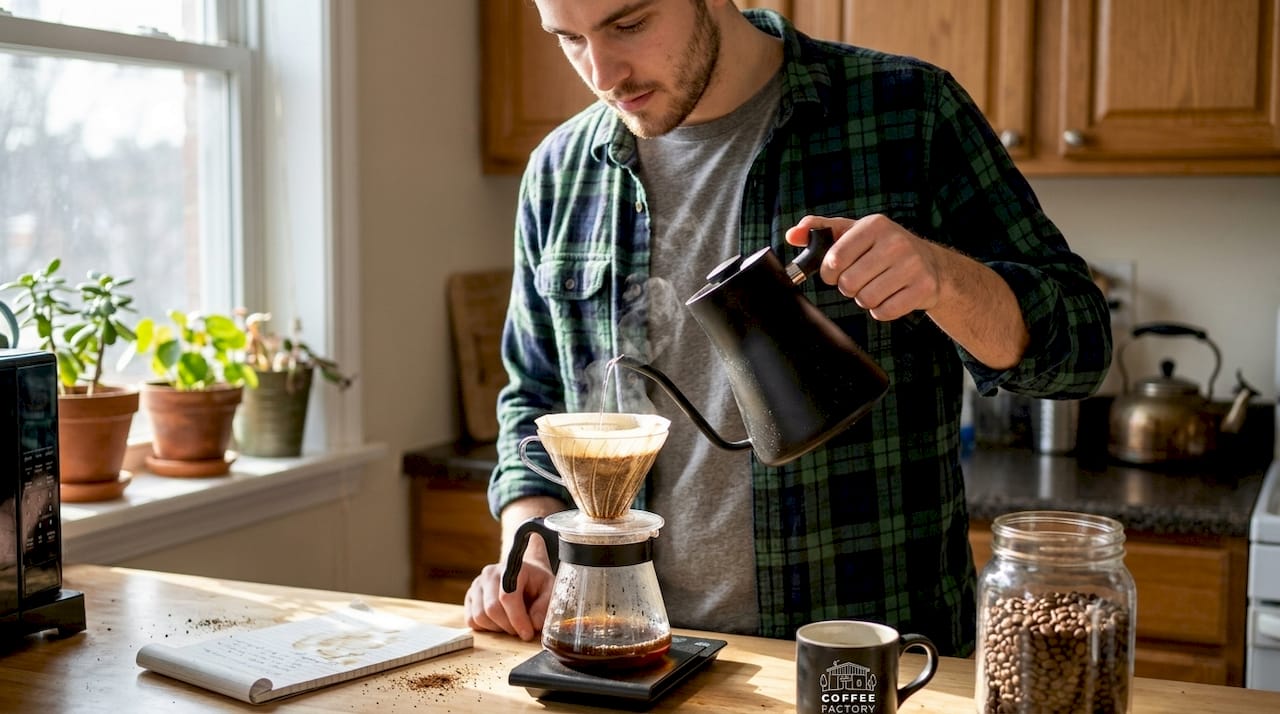
One of the most persistent myths is that dark roast equals more caffeine. In reality, roast degree does not largely change caffeine content. Extraction method and serving size have far more influence. Dark roasts simply taste bolder, which many people interpret as stronger.
Here is a comparison of roast profiles across key sensory attributes:
| Attribute | Light roast | Medium roast | Dark roast |
|---|---|---|---|
| Acidity | High | Moderate | Low |
| Sweetness | Subtle | Pronounced | Reduced |
| Bitterness | Low | Moderate | High |
| Body | Light | Medium | Full |
| Aroma complexity | Floral, fruity | Caramel, nutty | Smoky, earthy |
Pro Tip: If you are choosing beans for flavour, match the roast to your preferred sensory experience first. Brewing method can then be adjusted to accentuate those qualities.
Roast levels and brewing methods: getting the best from your beans
Knowing how roast affects flavour opens up another layer of understanding. How you brew each roast makes a significant difference to your final cup. The key variable here is bean density and solubility.
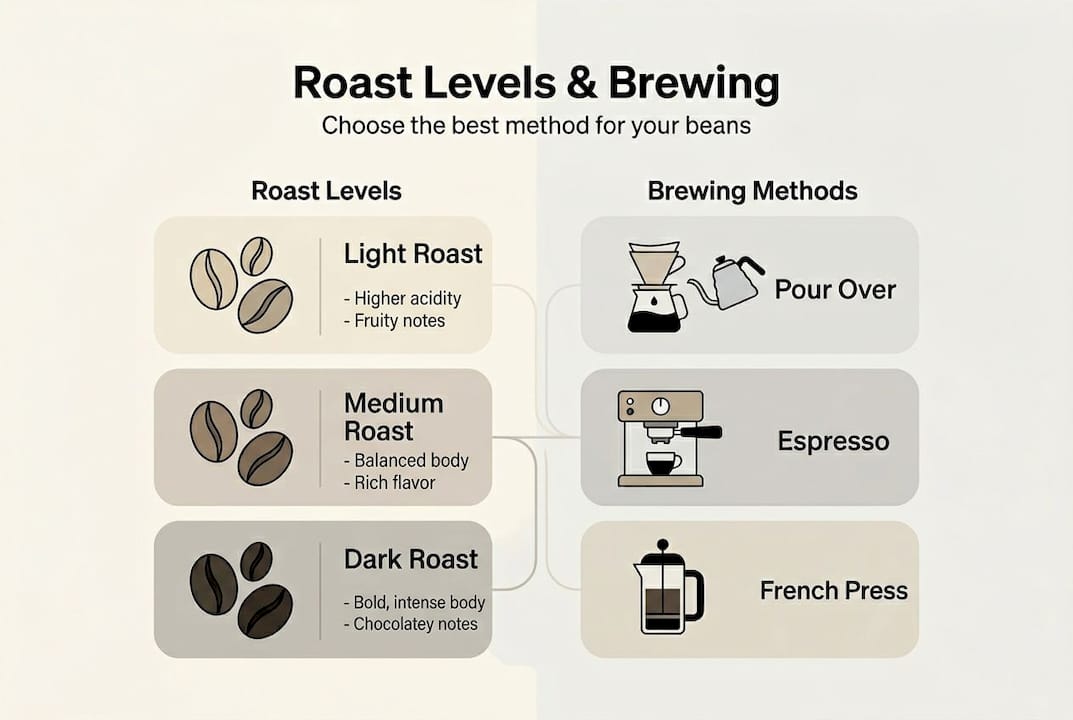
Light roasts are denser. They require more effort to extract, which means a finer grind and higher water temperature. Light roasts extract best at 93 to 96 degrees Celsius. Dark roasts are more porous due to extended heat exposure. They extract faster and benefit from a coarser grind and slightly lower temperature, around 90 to 93 degrees Celsius.
Here are practical brewing adjustments by roast level:
- Light roast: Use a finer grind, water at 93 to 96°C, and a longer brew time. Filter methods such as pour-over or Aeropress work particularly well.
- Medium roast: A medium grind and water around 91 to 93°C suits most methods. Versatile across espresso, cafetière, and filter.
- Dark roast: Use a coarser grind and water at 90 to 93°C. Shorter extraction times prevent over-extraction and excess bitterness. Espresso and cafetière are common choices.
For a structured overview of these adjustments, the quick brewing guide covers the essentials clearly. If you want to go further, the roasters club guide offers a deeper look at matching beans to brewing style.
Pro Tip: Start with the recommended parameters, then adjust one variable at a time. Grind size has the biggest impact on extraction, so begin there before changing temperature or brew time. Refer to brewing tips by roast for further guidance.
Choosing the right roast for you
With practical understanding in hand, it becomes easier to pick a roast that fits your taste and lifestyle. There is no universally correct answer. Roast levels cater to diverse palates and influence consumer preferences across the coffee market.
A simple framework for choosing:
- Flavour preference: Do you enjoy bright, tangy notes? Go light. Prefer balance and sweetness? Choose medium. Want bold and robust? Dark is your range.
- Brewing equipment: Espresso machines pair well with medium or dark roasts. Filter and pour-over methods highlight light and medium roasts.
- Daily habits: If you drink coffee black, roast character matters more. With milk or sugar, darker roasts tend to hold their own better.
- Freshness sensitivity: Freshness affects all roasts, but lighter roasts show staleness more quickly due to their delicate aroma compounds.
Common pairing suggestions:
- Espresso: medium or dark roast
- Pour-over or V60: light or medium roast
- Cafetière: medium or dark roast
- Cold brew: medium-dark or dark roast
- Aeropress: versatile across all roast levels
When choosing coffee beans, consider starting with a taster selection across roast levels. This gives you a direct comparison and helps you identify what you genuinely prefer rather than what you assume you will like.
Elevate your coffee experience with expert sourcing and guidance
Understanding roast levels is only part of the picture. The quality and freshness of the beans themselves make a significant difference to what ends up in your cup. The Coffee Factory roasts to order from their Devon-based roastery, ensuring beans arrive fresh and at their best.
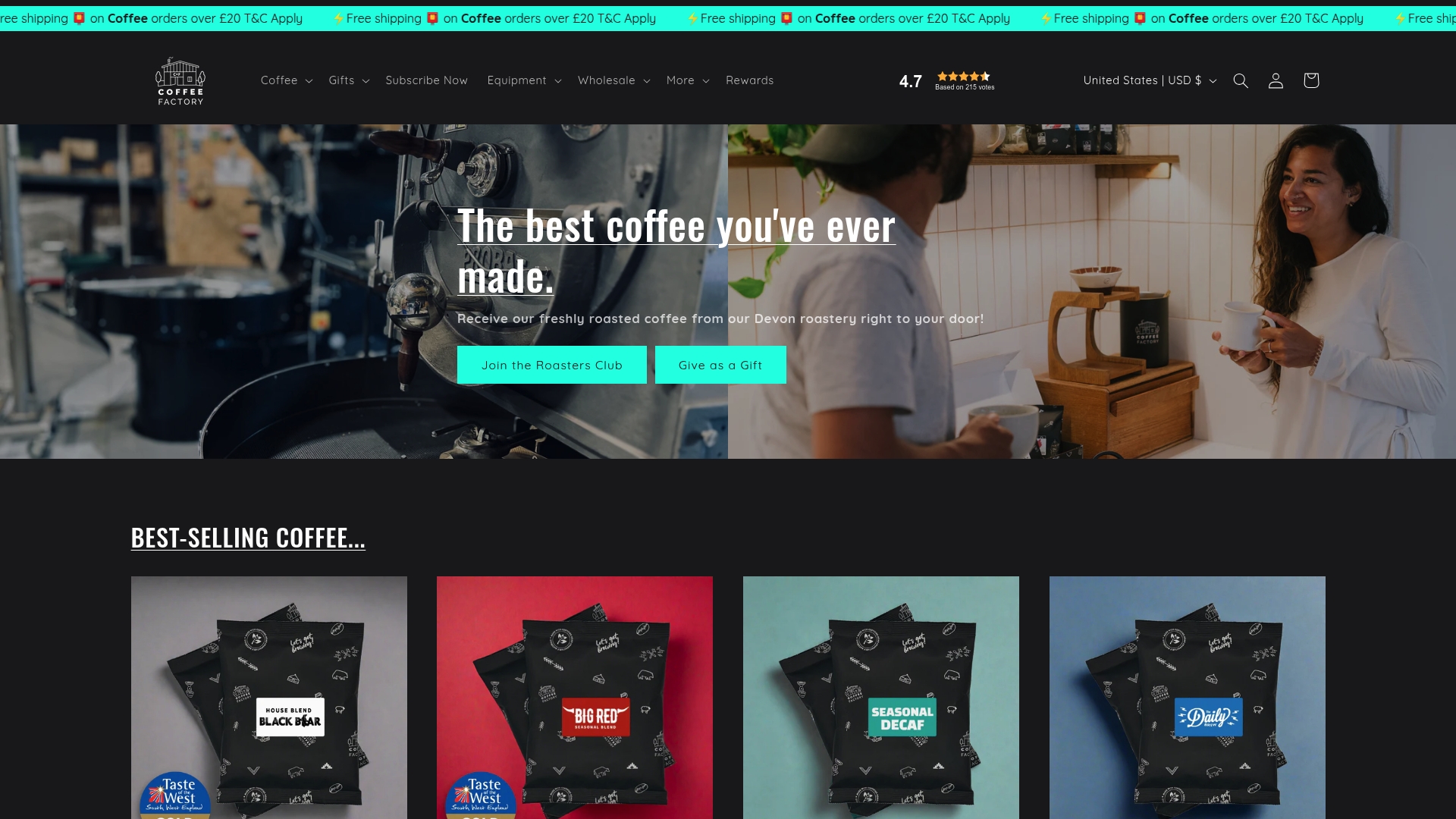
The range covers every roast preference. Browse freshly ground options for convenience, or explore the light roast selection if you want to experience the brighter, more nuanced end of the spectrum. For those looking to build their brewing skills alongside their bean knowledge, the coffee brewing guide provides clear, practical guidance for home brewers across all methods. Free shipping is available on orders over £20.
Frequently asked questions
Does roast level affect caffeine content?
Bean for bean, light and dark roasts contain nearly identical caffeine. Extraction and serving size have far more influence on the caffeine in your final cup than roast degree does.
How do I recognise a coffee’s roast level at home?
Colour and surface texture are the clearest indicators. Lighter beans are tan with a dry surface, while dark roasts appear nearly black and oily. The Agtron and SCA scales both base roast identification on these visual cues.
What roast level is best for espresso?
Medium and dark roasts are most commonly used for espresso. They extract well under pressure and produce a richer crema. Medium and dark profiles suit the high-pressure extraction environment of an espresso machine.
Why do light roasts taste sour compared to dark?
Lighter roasts preserve more of coffee’s natural organic acids, as less heat means less acid degradation. Higher acidity in light roasts produces that brighter, tangier taste profile many people notice.