

How to choose coffee beans: a practical guide for home brewers
Choosing the right coffee beans can feel overwhelming when faced with supermarket shelves packed with countless options, each promising exceptional flavour. The difference between a disappointing cup and an extraordinary brew often comes down to understanding what makes beans truly premium. This guide walks you through the essential factors that separate exceptional coffee from mediocre offerings, helping you confidently select beans that deliver the rich, complex flavours you deserve. You’ll learn to spot freshness indicators, avoid common pitfalls, and make informed decisions that transform your home brewing experience.
Table of Contents
- Key takeaways
- What you need to know before choosing coffee beans
- Steps to select high-quality coffee beans
- Common mistakes to avoid when choosing coffee beans
- How to verify bean quality and freshness at home
- Discover premium coffee beans at the Coffee Factory
- How to choose coffee beans FAQ
Key Takeaways
| Point | Details |
|---|---|
| Roast date matters | Check the roast date and prefer beans roasted within four weeks for optimum flavour, with peak flavour typically between five and twenty one days after roasting. |
| Freshness indicators | Freshness is the single most important factor and pre ground coffee loses flavour quickly, so buy whole beans and grind just before brewing. |
| Bean type and roast | Arabica offers nuanced flavours while Robusta provides stronger notes, and roast level should suit your brewing method from light to dark. |
| Ethical and health credentials | Choose UK roasters that test batches for mould toxins and pesticides, and prefer subscriptions or local roasters to help ensure freshness and quality, while favouring fair trade or direct trade for traceability. |
What you need to know before choosing coffee beans
Understanding coffee fundamentals transforms your selection process from guesswork into informed decision-making. The two primary species you’ll encounter are Arabica and Robusta, each offering distinct characteristics that dramatically affect your cup. Arabica beans grow at higher altitudes, developing nuanced flavour profiles with bright acidity and sweet undertones. Robusta thrives at lower elevations, producing beans with stronger, earthier notes and nearly double the caffeine content. Most premium coffees feature 100% Arabica or carefully balanced blends that harness the best qualities of both species.
Roast level profoundly influences flavour development and determines whether delicate origin characteristics shine through or give way to bolder, caramelised notes. Light roasts preserve the bean’s inherent flavours, showcasing floral, fruity, or tea-like qualities that reflect growing conditions. Medium roasts strike a balance between origin character and roast-developed sweetness, offering versatility for various brewing methods. Dark roasts emphasise rich, smoky flavours with pronounced body, though excessive roasting can mask origin nuances and introduce bitterness.
Freshness stands as the single most critical factor in coffee quality, yet it’s frequently overlooked by casual buyers. Coffee begins losing flavour complexity within weeks of roasting as volatile aromatic compounds dissipate through oxidation. Pre-ground coffee accelerates this degradation exponentially, with most flavour compounds vanishing within days of grinding. Beans displaying an oily surface sheen signal over-roasting or age-related rancidity, both indicators of compromised quality that no brewing technique can salvage.
Health-conscious consumers should prioritise UK roasters who lab test batches to verify absence of mould toxins and pesticide residues. Premium roasters maintain rigorous quality control protocols, rejecting beans that fail to meet exacting standards for purity and flavour potential. Ethical sourcing considerations extend beyond personal health to encompass environmental sustainability and fair compensation for farming communities. Fairtrade certification and direct trade relationships ensure your coffee purchase supports responsible agricultural practices whilst guaranteeing traceability from farm to cup. Exploring unique coffee varieties from reputable roasters helps you discover exceptional beans that align with both your flavour preferences and values.
Steps to select high-quality coffee beans
Begin your selection process by examining the roast date prominently displayed on quality coffee packaging. Beans reach peak flavour between 5 and 21 days post-roast, with most experts recommending consumption within four weeks for optimal taste. Packages lacking roast dates typically indicate mass-produced coffee that’s been sitting in warehouses or on shelves for indeterminate periods, sacrificing freshness for extended shelf life. Prioritising recently roasted beans guarantees you’re capturing the full spectrum of flavours the roaster intended.
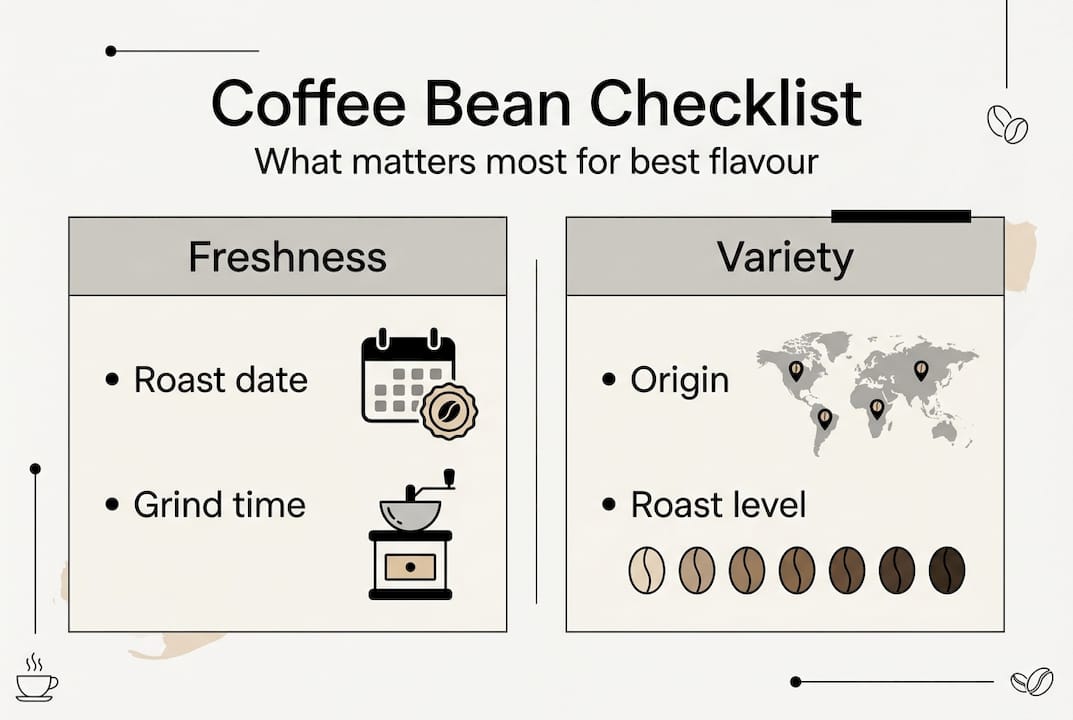
Choose bean varieties that align with your flavour preferences and brewing style. Single-origin coffees showcase distinctive regional characteristics, from Ethiopian beans with blueberry and jasmine notes to Colombian offerings with caramel sweetness and balanced acidity. Blends combine complementary origins to create consistent flavour profiles that perform reliably across brewing methods. Read tasting notes carefully, but remember these serve as general guides rather than absolute descriptions, as individual palates perceive flavours differently.
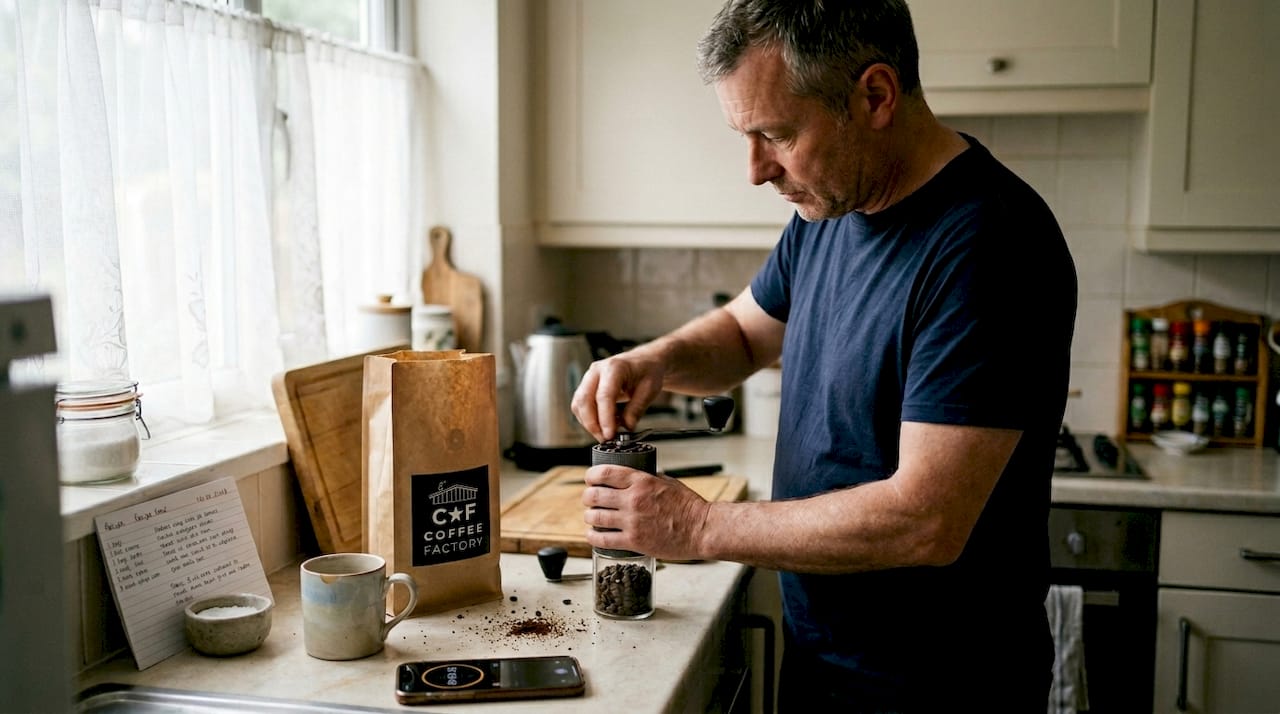
Consider grind size requirements for your brewing equipment, though purchasing whole beans and grinding immediately before brewing always produces superior results. Espresso demands fine, consistent particles that create proper resistance for extraction, whilst French press requires coarse grounds that won’t slip through the mesh filter. Pour-over methods work best with medium grinds that allow controlled water flow. Pre-ground convenience comes at a steep flavour cost, as ground coffee loses aromatic compounds within hours of processing.
Evaluate transparency in sourcing information and quality certifications that signal commitment to excellence. Reputable roasters provide detailed origin information, processing methods, and altitude data that coffee enthusiasts use to predict flavour profiles. Certifications like Rainforest Alliance, organic credentials, or direct trade partnerships demonstrate investment in sustainable practices and quality assurance. Blind taste tests reveal that specialty roasters consistently outperform supermarket brands in flavour complexity and balance.
Pro Tip: Start with small quantities or sample packs when exploring new roasters or origins. This approach lets you experiment without committing to large purchases of beans that might not suit your taste preferences. Many premium roasters offer discovery sets featuring diverse flavour profiles, providing an economical way to identify your favourites before investing in larger bags. Coffee subscriptions deliver curated selections that introduce you to exceptional beans whilst guaranteeing freshness with each shipment.
Common mistakes to avoid when choosing coffee beans
Purchasing pre-ground coffee ranks among the most detrimental decisions for flavour preservation. Grinding exposes exponentially more surface area to oxygen, triggering rapid flavour degradation that transforms vibrant, complex coffee into flat, stale disappointment within days. Even vacuum-sealed pre-ground packages can’t prevent the aromatic compound loss that begins immediately upon grinding. The convenience of pre-ground coffee never justifies the dramatic quality sacrifice, particularly when affordable grinders make fresh grinding accessible to home brewers.
Selecting beans with an oily, glossy appearance indicates either excessive roasting or age-related deterioration. Whilst some very dark roasts naturally develop slight surface oils immediately after roasting, pronounced shininess typically signals that beans have become rancid through oxidation of lipids within the bean structure. These oils turn bitter and acrid, imparting unpleasant flavours that no brewing adjustment can remedy. Quality roasters carefully control roast profiles to develop flavour without pushing beans into the territory where oils migrate to the surface.
Ignoring origin information and ethical certifications risks supporting problematic supply chains whilst settling for inferior beans. Coffee grown without regard for sustainable practices often comes from farms using excessive pesticides or exploiting workers through unfair wages. Beyond ethical concerns, beans from poorly managed farms typically exhibit inconsistent quality and underdeveloped flavours. Transparent sourcing information signals a roaster’s commitment to quality at every stage of production.
Neglecting to check roast dates guarantees you’re brewing with stale coffee that’s lost its aromatic complexity. Supermarket beans frequently sit for months before purchase, their flavour potential long since dissipated. Even speciality beans lose their magic when stored improperly or consumed well past their prime. Making roast date verification a non-negotiable habit ensures every cup delivers the vibrant flavours you’re paying premium prices to enjoy.
Pro Tip: Avoid buying large quantities unless you have proper storage equipment and consume coffee quickly enough to use it within optimal freshness windows. Purchasing more than two weeks’ worth of beans at once typically results in diminished quality by the time you reach the bottom of the bag. Coffee subscription benefits include perfectly timed deliveries that match your consumption rate, eliminating the freshness anxiety that comes with bulk buying.
How to verify bean quality and freshness at home
Visual inspection provides immediate clues about bean quality and proper roasting. Fresh, well-roasted beans display a matte or slightly satin finish without pronounced oiliness. Examine beans for consistent size and colour, as uniformity indicates careful sorting and quality control during processing. Broken or chipped beans suggest rough handling or inferior raw material selection. Colour should appear even across the batch, without scorched spots or pale, underdeveloped areas that signal inconsistent roasting.
The smell test offers perhaps the most reliable home assessment method for evaluating coffee freshness. Open your bag and inhale deeply, noting the intensity and character of aromatic compounds. Fresh beans release powerful, complex fragrances with distinct notes matching their origin and roast profile. Stale coffee smells flat, cardboard-like, or completely neutral, lacking the vibrant aromatics that characterise recently roasted beans. Off-putting odours resembling rancid oil or mustiness indicate quality problems that will translate directly into your brewed cup.
| Quality indicator | Fresh beans | Stale or poor quality |
|---|---|---|
| Appearance | Matte to slight satin finish | Oily, glossy surface |
| Aroma | Powerful, complex fragrance | Flat, cardboard-like, or rancid |
| Colour | Uniform, even tone | Inconsistent with pale or scorched spots |
| Texture | Firm, intact structure | Brittle, easily crumbled |
| Taste | Vibrant, layered flavours | Dull, bitter, or sour notes |
Conducting small brewing tests allows direct flavour comparison when evaluating new beans or assessing freshness over time. Brew a small batch using your preferred method, paying attention to aroma during grinding and brewing. Fresh coffee produces abundant bloom when hot water first contacts the grounds, releasing CO2 trapped during roasting. Taste the coffee black initially to assess its inherent qualities without milk or sugar masking defects. Note flavour clarity, balance, and finish, comparing these attributes against your expectations and previous experiences.
UK home enthusiasts increasingly rely on subscriptions or local roasters to guarantee fresh delivery and minimise mould risk through shortened supply chains. This approach eliminates guesswork about storage duration and handling conditions between roasting and consumption. Proper storage techniques maintain bean quality once you’ve secured fresh coffee:
- Store beans in an airtight container away from light, heat, and moisture
- Keep coffee at room temperature rather than refrigerating or freezing
- Use opaque containers that block light exposure
- Portion larger quantities into smaller containers to minimise air exposure
- Consume within three to four weeks of the roast date for peak flavour
Tracking your observations helps you develop expertise in recognising quality indicators and understanding how different beans perform with your equipment. Note roast dates, origins, and your impressions of each coffee you try, building a personal reference library that guides future purchases. Benefits of coffee subscriptions include consistent quality and the opportunity to refine your palate through regular exposure to expertly selected beans.
Discover premium coffee beans at the Coffee Factory
Finding truly exceptional coffee shouldn’t require endless research or disappointing trial and error. The Coffee Factory curates an outstanding selection of unique coffee varieties sourced from renowned growing regions and roasted fresh in their Devon facility. Each batch undergoes rigorous quality assessment to ensure only the finest beans reach your cup, delivering the complex flavours and aromatic richness that elevate your daily brewing ritual.
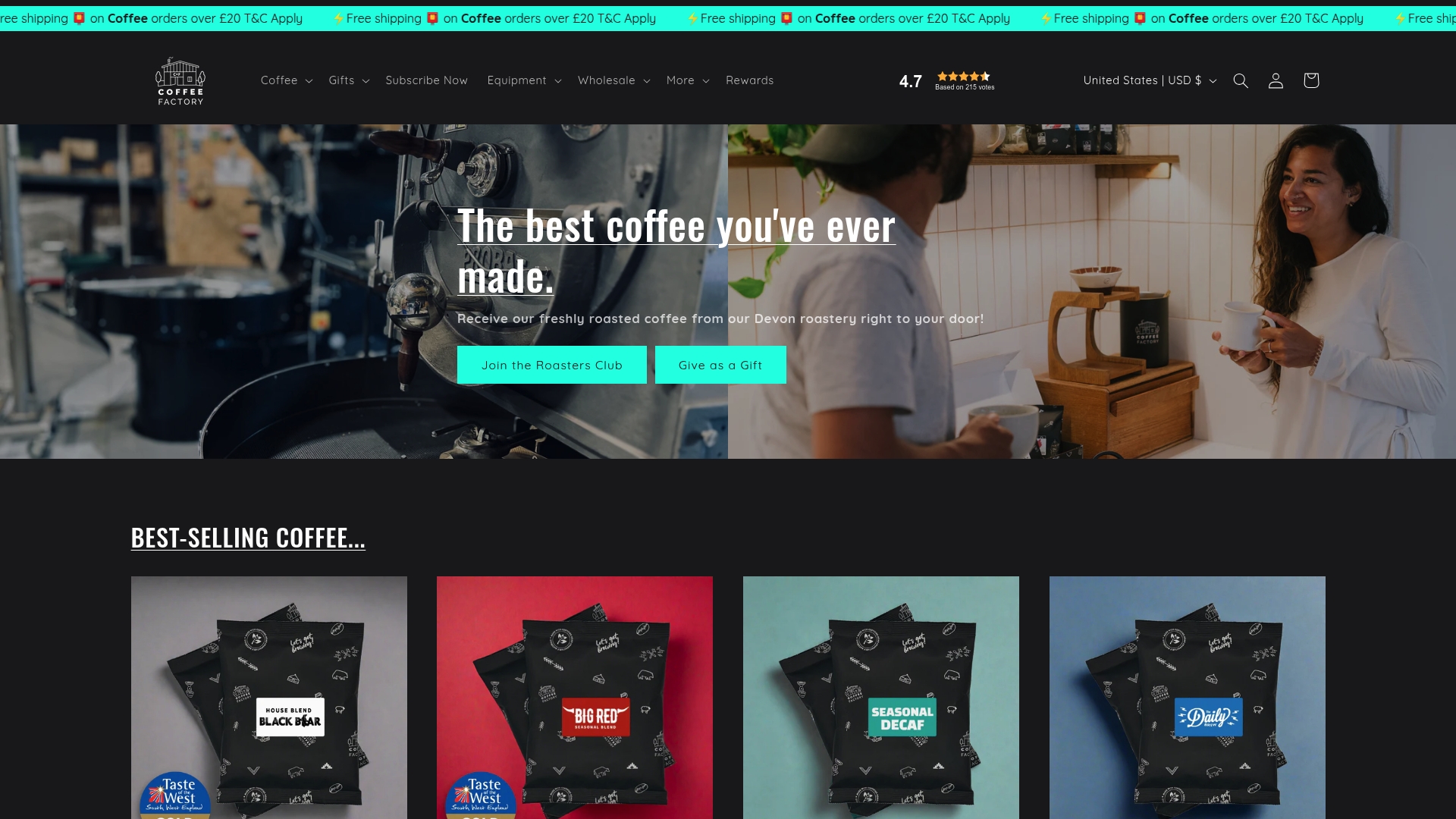
Their fresh coffee subscription service eliminates freshness concerns by delivering precisely timed shipments that match your consumption patterns. You’ll never face the disappointment of stale beans again, as each delivery arrives within days of roasting with peak flavour potential intact. Subscriptions offer flexibility to explore diverse origins and roast profiles, expanding your coffee knowledge whilst maintaining optimal quality.
Whether you’re refining your technique or exploring new brewing methods, their comprehensive coffee brewing guide provides expert insights that help you extract maximum flavour from premium beans. Combined with their commitment to ethical sourcing and sustainable practices, The Coffee Factory represents a reliable partner in your journey towards exceptional home coffee experiences.
How to choose coffee beans FAQ
What is the best type of coffee bean for home brewing?
Arabica beans offer the best overall experience for home brewing due to their complex flavour profiles, pleasant acidity, and aromatic richness. Single-origin Arabicas showcase distinctive regional characteristics, whilst carefully crafted blends provide consistent performance across various brewing methods. Choose based on your flavour preferences and equipment capabilities.
How important is roast date when buying coffee beans?
Roast date stands as the single most critical factor in coffee quality, determining whether you’ll experience vibrant flavours or disappointing staleness. Beans reach peak flavour between 5 and 21 days post-roast, with noticeable degradation occurring beyond four weeks. Always verify roast dates and prioritise the freshest options available.
Can I use pre-ground coffee and still get good flavour?
Pre-ground coffee cannot deliver the same flavour quality as freshly ground beans due to rapid aromatic compound loss following grinding. Within hours of grinding, coffee loses the volatile oils and complex flavours that create exceptional cups. Investing in a basic grinder and grinding immediately before brewing produces dramatically superior results worth the minimal extra effort.
How do coffee subscriptions help with freshness?
Subscriptions guarantee consistent freshness by delivering beans within days of roasting on schedules matching your consumption rate. This approach eliminates the risk of purchasing stale supermarket coffee or buying excessive quantities that deteriorate before use. Regular deliveries also introduce you to diverse origins and roast profiles, expanding your coffee knowledge whilst maintaining optimal quality.
What does an oily coffee bean indicate?
Oily beans typically signal over-roasting or age-related rancidity, both indicating compromised quality. Whilst some very dark roasts naturally develop slight surface oils immediately after roasting, pronounced oiliness usually means lipids within the bean have oxidised, creating bitter, acrid flavours. Quality beans should display a matte to slight satin finish without excessive shininess.
Recommended
- Buy Unique Coffee Varieties online at Coffee Factory | Fast Delivery
- How to store coffee beans for optimal freshness in 2026
- Buy Fresh Ground Coffee Online – Roasted & Delivered Fast
- Buy 1kg Coffee | Premium coffee by the kilo | Fast UK delivery
- Organic Coffee Brands with UK Delivery: 2026 Review
- Specialty coffee trends 2026: UK enthusiasts guide