

Specialty coffee trends 2026: UK enthusiasts guide
The specialty coffee scene is evolving at lightning speed in 2026, and keeping pace with emerging trends can feel overwhelming for even the most dedicated coffee lover. From AI-curated blends that adapt to your personal taste profile to functional coffees infused with wellness-boosting adaptogens, the landscape is shifting in exciting directions. UK enthusiasts seeking to elevate their brewing and tasting experiences need a clear roadmap through these innovations. This guide highlights the top specialty coffee trends shaping 2026, equipping you with insights to make informed choices and discover new flavour frontiers that match your preferences and values.
Table of Contents
- Top Criteria Shaping Specialty Coffee Trends In 2026
- Innovative Coffee Blends: Ai-Driven And Functional Infusions
- Sustainability And Transparency: Carbon-Neutral Production And Ethical Sourcing
- Coffee Processing Methods And Premium Bean Selections
- Discover Premium Specialty Coffee And Accessories At Coffee Factory
- Specialty Coffee Trends 2026 Faq
Key takeaways
| Point | Details |
|---|---|
| AI-driven personalisation | Algorithms create bespoke blends tailored to individual flavour preferences and caffeine needs |
| Functional wellness coffees | Nootropics and adaptogens enhance focus, energy and overall wellbeing in specialty brews |
| Carbon-neutral production | Verifiable sustainability practices across the entire coffee supply chain gain priority |
| Premium bean selections | Rare varieties like Gesha and innovative processing methods deliver exceptional flavour experiences |
| Transparent sourcing | Consumers demand full traceability from farm to cup with ethical practices verified |
Top criteria shaping specialty coffee trends in 2026
Understanding what drives the specialty coffee market in 2026 helps you evaluate new offerings and make purchasing decisions aligned with your values. Several key criteria define the trends gaining traction among UK coffee enthusiasts this year.
Hyper-personalisation in coffee is evolving beyond simple milk choices, incorporating AI and biometric data for tailored blends. Roasters and retailers now use sophisticated algorithms to analyse your past purchases, flavour ratings and even physiological responses to create coffees that match your exact preferences. This level of customisation transforms how you discover and enjoy specialty coffee.

Functional ingredients represent another critical evaluation point. Coffee drinkers increasingly seek beverages that deliver benefits beyond caffeine, looking for additions like lion’s mane mushroom for cognitive support or ashwagandha for stress management. These functional coffees blur the line between your morning brew and wellness routine.
Sustainability and transparency have moved from nice-to-have attributes to essential requirements. You want to know your coffee’s journey from farm to cup, including farming practices, processing methods and carbon footprint. Brands that provide verifiable data about their environmental impact and ethical sourcing practices earn trust and loyalty.
Packaging innovation affects both quality perception and environmental responsibility. The shift towards recyclable materials, nitrogen-flush sealing for freshness and minimalist designs reflects broader consumer priorities. When exploring origin coffee beans and their unique flavours, packaging quality directly impacts the taste experience you receive at home.
Key criteria for evaluating 2026 specialty coffee trends:
- Personalisation technology and data-driven recommendations
- Functional ingredients supporting specific wellness goals
- Verified sustainability certifications and carbon neutrality
- Transparent supply chain information and farmer relationships
- Innovative packaging that preserves freshness whilst reducing waste
Innovative coffee blends: ai-driven and functional infusions
The rise of AI-curated coffee represents a fundamental shift in how specialty blends reach consumers. Rather than choosing from preset options, you can now access coffees designed specifically for your palate and lifestyle needs.
Algorithms learn flavour preferences based on past purchases and biometric data, creating a feedback loop that refines recommendations over time. Some subscription services send you samples, collect your ratings through mobile apps and adjust future shipments accordingly. This technology considers factors like preferred roast level, acidity tolerance, desired caffeine content and flavour note preferences.
Functional coffees with nootropics like lion’s mane mushroom enhance focus and cognitive performance without the jitters associated with high caffeine intake alone. These blends typically combine single-origin specialty coffee beans with carefully measured functional ingredients that complement rather than mask the coffee’s natural flavour profile. The result is a beverage that tastes exceptional whilst supporting your mental clarity and productivity.
Adaptogenic ingredients such as rhodiola, cordyceps and reishi mushroom offer stress management benefits that appeal to busy professionals and wellness-focused consumers. These compounds help your body adapt to physical and mental stressors, creating a more balanced energy experience throughout the day. The key is finding blends where the functional additions enhance rather than compete with the coffee’s inherent characteristics.
Subscription services and in-store kiosks optimise discovery by removing guesswork from the selection process. You might visit a specialty cafe equipped with a digital interface that asks about your taste preferences, brewing method and desired effects, then recommends specific blends or creates a custom mix on the spot. This interactive approach makes exploring new coffees less intimidating and more rewarding.
Pro Tip: Start with functional coffees that use familiar single-origin bases you already enjoy, then gradually explore more adventurous blends as you understand how different adaptogens affect your energy and focus levels.
Innovative blend features gaining popularity:
- Personalised caffeine levels adjusted to individual tolerance
- Functional mushroom extracts standardised for consistent benefits
- Flavour profiles mapped to taste preference algorithms
- Seasonal adjustments based on changing palate preferences
- Sustainable sourcing verified through blockchain technology
The intersection of technology and traditional coffee craft creates exciting possibilities. You can maintain appreciation for artisanal roasting techniques whilst benefiting from data-driven personalisation. Many roasters now offer both curated collections and bespoke services, allowing you to choose the level of customisation that suits your approach to coffee exploration. The emphasis on recyclable coffee packaging ensures these innovations align with environmental values.
Sustainability and transparency: carbon-neutral production and ethical sourcing
Environmental responsibility has become a defining characteristic of premium specialty coffee in 2026. Emphasis has shifted to verifiable carbon neutrality across the entire coffee production process, from farm cultivation through roasting, packaging and distribution.
Carbon-neutral coffee requires significant investment in regenerative agriculture practices that restore soil health, sequester carbon and support biodiversity. Forward-thinking farms implement shade-grown cultivation, composting programmes and renewable energy systems that offset emissions. Some operations achieve carbon-negative status by sequestering more carbon than they produce, setting a new benchmark for environmental stewardship.
Transparency about origin and processing methods is vital to UK consumers who want detailed information about their coffee’s journey. You expect to access data about the specific farm or cooperative, altitude, processing method, harvest date and even the farmers’ names. QR codes on packaging now link to comprehensive supply chain documentation, including sustainability audits and fair trade certifications.
Growing consumer scrutiny around sourcing, traceability and waste drives brands to adopt more rigorous standards. You’re no longer satisfied with vague claims about ethical practices. Instead, you seek third-party verification, direct trade relationships and evidence of long-term farmer partnerships that ensure fair compensation and community development.
Brands adopting these practices gain competitive advantage in 2026 by appealing to values-driven consumers willing to pay premium prices for coffee that aligns with their environmental and social priorities. The specialty coffee market increasingly rewards transparency, with consumers actively seeking out roasters who provide detailed sourcing information and demonstrate genuine commitment to sustainability.
Pro Tip: Look for roasters who publish annual sustainability reports with specific metrics on carbon reduction, water conservation and farmer income improvements rather than relying on marketing claims alone.
Sustainability practices to prioritise:
- Verified carbon-neutral or carbon-negative certification
- Direct trade relationships with documented fair pricing
- Regenerative agriculture techniques that restore ecosystems
- Renewable energy use in roasting and distribution
- Comprehensive waste reduction and recycling programmes
| Sustainability Factor | What to Look For | Impact on Quality |
|---|---|---|
| Carbon footprint | Third-party verified neutrality | Ensures long-term farm viability |
| Farmer compensation | Direct trade premiums above fair trade minimums | Motivates quality-focused cultivation |
| Water usage | Conservation systems and wastewater treatment | Protects local ecosystems |
| Packaging materials | Recyclable with minimal plastic components | Maintains freshness without environmental cost |
The connection between sustainability and coffee quality becomes clearer as you explore how environmental practices affect flavour. Healthy soil produces more complex flavour profiles, whilst fair compensation motivates farmers to invest in quality improvements and careful harvesting. When you choose sustainable coffee, you’re not just making an ethical decision but also selecting beans that reflect the best growing conditions and cultivation practices. Understanding business coffee supply considerations helps you apply these principles whether purchasing for home or commercial use.
Coffee processing methods and premium bean selections
Processing methods profoundly influence the flavour profile you experience in your cup, making them a crucial consideration when exploring specialty coffee trends. There are four main coffee processing methods: washed, natural, honey and experimental or hybrid approaches.
Washed processing produces clean, bright coffees with pronounced acidity and clarity of flavour. This method removes the fruit before drying, allowing the bean’s inherent characteristics to shine without interference from fermentation. You’ll find washed coffees ideal for appreciating subtle terroir differences and origin-specific flavour notes.
Natural processing creates fruit-forward, complex coffees with heavier body and wine-like qualities. The entire cherry dries around the bean, allowing sugars and flavours to penetrate during the extended drying period. These coffees often display berry notes, tropical fruit characteristics and surprising sweetness that appeals to adventurous palates.
Honey processing occupies the middle ground, leaving varying amounts of mucilage on the bean during drying. The result combines the clarity of washed coffees with some of the sweetness and body associated with natural processing. Different honey levels (white, yellow, red, black) indicate how much mucilage remains, affecting the final flavour profile.
Experimental and hybrid methods push boundaries by combining techniques or introducing controlled fermentation with specific yeast strains. These innovative approaches create unprecedented flavour profiles that challenge traditional coffee expectations, offering you entirely new tasting experiences.
Gesha coffee, known for its floral complexity, remains a top choice for pour-over enthusiasts in 2026, with prices reflecting its premium status. This variety delivers jasmine, bergamot and tropical fruit notes that justify its reputation as one of the world’s finest coffees. When properly cultivated at high altitude and carefully processed, Gesha offers an unmatched sensory experience.
Pricing reflects premium quality and exclusivity of selected beans, with rare varieties and competition-winning lots commanding significant premiums. You’re paying for exceptional growing conditions, meticulous processing, limited availability and the expertise required to bring out the best characteristics. Understanding these factors helps you appreciate why certain coffees cost more and whether the investment matches your priorities.
Processing method characteristics:
- Washed: clean, bright acidity, origin clarity
- Natural: fruit-forward, complex, heavier body
- Honey: balanced sweetness, moderate body
- Experimental: unique profiles, innovative flavours
| Processing Method | Flavour Profile | Best Brewing Method | Typical Price Range |
|---|---|---|---|
| Washed | Clean, bright, acidic | Pour-over, filter | £8-£15 per 250g |
| Natural | Fruity, complex, sweet | French press, espresso | £10-£18 per 250g |
| Honey | Balanced, smooth, sweet | Any method | £9-£16 per 250g |
| Experimental | Unique, surprising | Pour-over, cold brew | £12-£25+ per 250g |
Exploring different processing methods and premium bean selections expands your coffee knowledge and helps you identify the profiles that resonate with your preferences. Consider how coffee body and flavour interact to create the complete sensory experience. Start with small quantities of various processing styles to build your palate, then invest in larger amounts of your favourites.
Discover premium specialty coffee and accessories at Coffee Factory
Ready to explore these exciting 2026 trends at home? Coffee Factory brings you a carefully curated selection of specialty coffees and brewing equipment that support your journey into the evolving world of premium coffee.
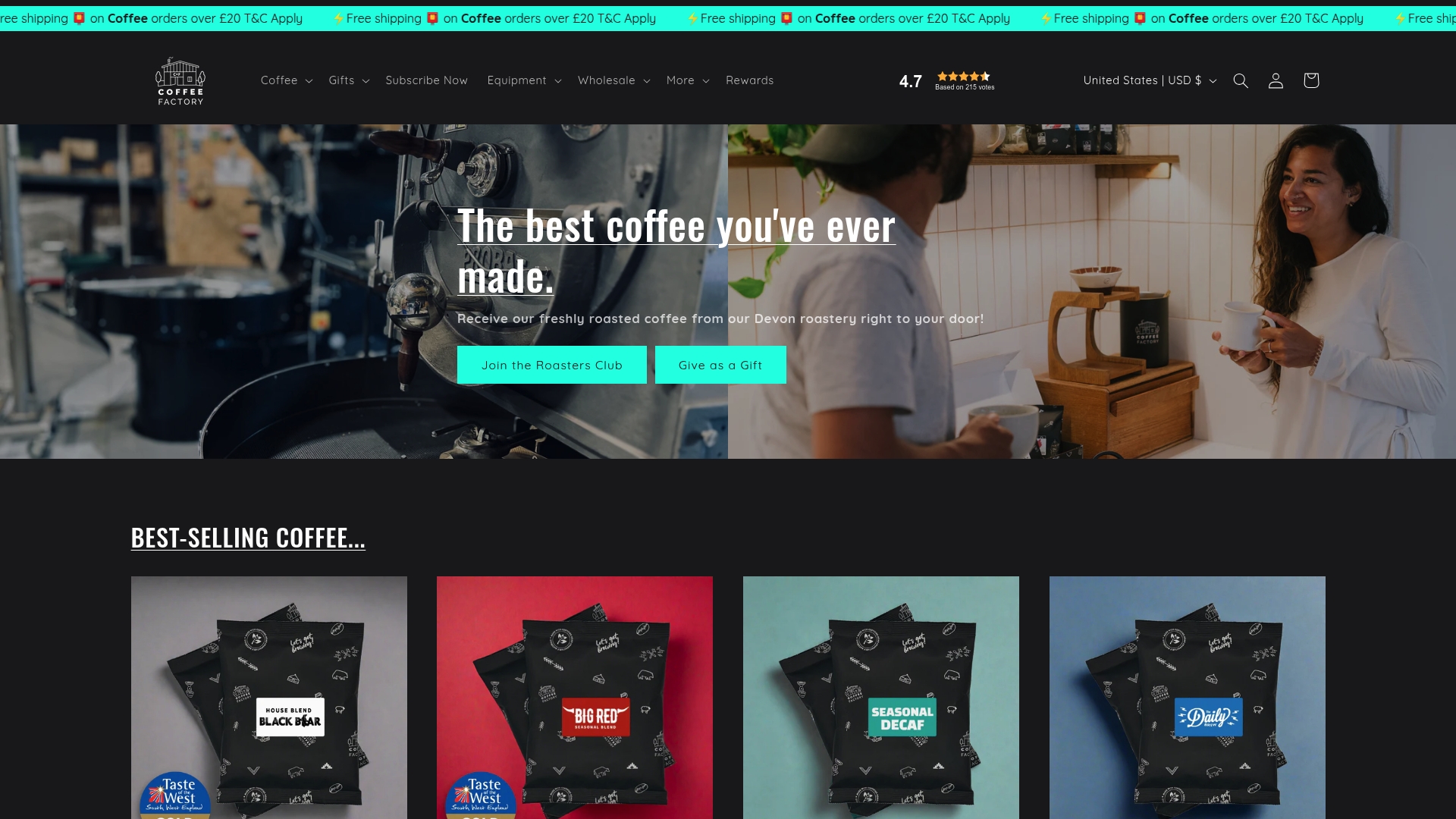
Our Devon roastery sources exceptional beans from sustainable farms worldwide, offering you access to rare single-origins, innovative blends and seasonal selections that showcase the year’s most compelling flavour profiles. Whether you’re seeking the floral elegance of premium Gesha or the balanced complexity of honey-processed beans, you’ll find unique coffee varieties that match your taste preferences and brewing style.
Elevate your home brewing with premium coffee accessories designed to extract the best from specialty beans. From precision grinders to temperature-controlled kettles, we stock equipment that helps you achieve cafe-quality results whilst exploring different brewing methods and processing styles.
Never run out of fresh beans with our flexible coffee subscription service, delivering freshly roasted coffee directly to your door on your preferred schedule. Subscriptions let you discover new origins and processing methods regularly, building your palate whilst ensuring you always have exceptional coffee on hand.
Specialty coffee trends 2026 faq
What makes ai-driven coffee blends different from traditional selections?
AI-driven blends use algorithms to analyse your taste preferences, brewing methods and even biometric data to create personalised coffee profiles. Traditional selections rely on roaster expertise and generalised flavour categories, whilst AI systems adapt recommendations based on your feedback and purchasing history.
How do functional ingredients affect coffee taste?
When properly formulated, functional ingredients like lion’s mane or adaptogens complement rather than overpower coffee’s natural flavours. Quality functional coffees use extracts that blend seamlessly with the base coffee, adding subtle earthy or umami notes that enhance rather than mask the original profile.
Why does carbon-neutral coffee cost more?
Carbon-neutral production requires investment in regenerative agriculture, renewable energy systems and verified offset programmes. These practices increase production costs but ensure long-term farm viability and environmental protection. The premium reflects genuine sustainability rather than marketing claims.
What processing method should beginners try first?
Start with washed coffees for their clean, straightforward flavour profiles that clearly showcase origin characteristics. Once you understand these baseline flavours, explore natural and honey-processed coffees to experience how processing affects taste. This progression builds your palate systematically.
How can i choose specialty coffee as a gift?
Consider the recipient’s current coffee habits and preferences, then select something slightly adventurous but not too far from their comfort zone. Fresh coffee gifting works best with taster sets that include multiple origins or processing methods, allowing exploration without commitment to large quantities.
Are premium beans like Gesha worth the investment?
Gesha and other premium beans offer exceptional flavour complexity that justifies higher prices for coffee enthusiasts seeking remarkable tasting experiences. If you appreciate subtle floral notes, delicate acidity and layered flavours, premium beans provide sensory rewards unavailable in standard offerings. Start with small quantities to determine if the profile matches your preferences before investing in larger amounts.