

Coffee checklist for beginners: essentials for a better brew
TL;DR:
- Start with essential items: fresh beans, a burr grinder, one brewing device, kettle, and airtight storage.
- Choose a brewing method based on your favourite cafe drink and master it before expanding your gear.
- Maintain equipment by rinsing after use and monthly descaling to ensure optimal flavour and longevity.
Starting out with coffee at home can feel genuinely overwhelming. There are grinders, brewers, scales, tampers, and a seemingly endless range of beans all competing for your attention and your budget. Most beginners buy too much too soon, end up confused, and never quite get the cup they were hoping for. This guide cuts through all of that. It delivers a practical, evidence-backed checklist covering exactly what you need, why each item matters, and how to get real enjoyment from your first brews at home.
Table of Contents
- Core essentials for your first home coffee setup
- How to choose your brewing method
- Buying and storing coffee beans for great flavour
- Setting, timing and context: how to really enjoy your coffee
- Keeping it clean: maintenance tips for lasting flavour
- Why most coffee checklists steer beginners off course
- Next steps: discover beans and brewing gear for your journey
- Frequently asked questions
Key Takeaways
| Point | Details |
|---|---|
| Focus on the basics | Start with a simple setup of fresh beans, grinder, single brewer, kettle, and airtight container. |
| Match method to taste | Choose your brewing method based on the coffee style you most enjoy. |
| Store beans smartly | Keep beans in airtight containers and avoid fridge/freezer storage for fresher flavour. |
| Experiment with context | Time of day and atmosphere can make a big difference in how much you enjoy your coffee. |
| Cleanliness matters | Regular cleaning and simple maintenance keep your kit working and coffee tasting great. |
Core essentials for your first home coffee setup
Every good home setup starts from the same baseline. Before worrying about milk steamers or precision scales, it helps to know what actually moves the needle for a beginner.
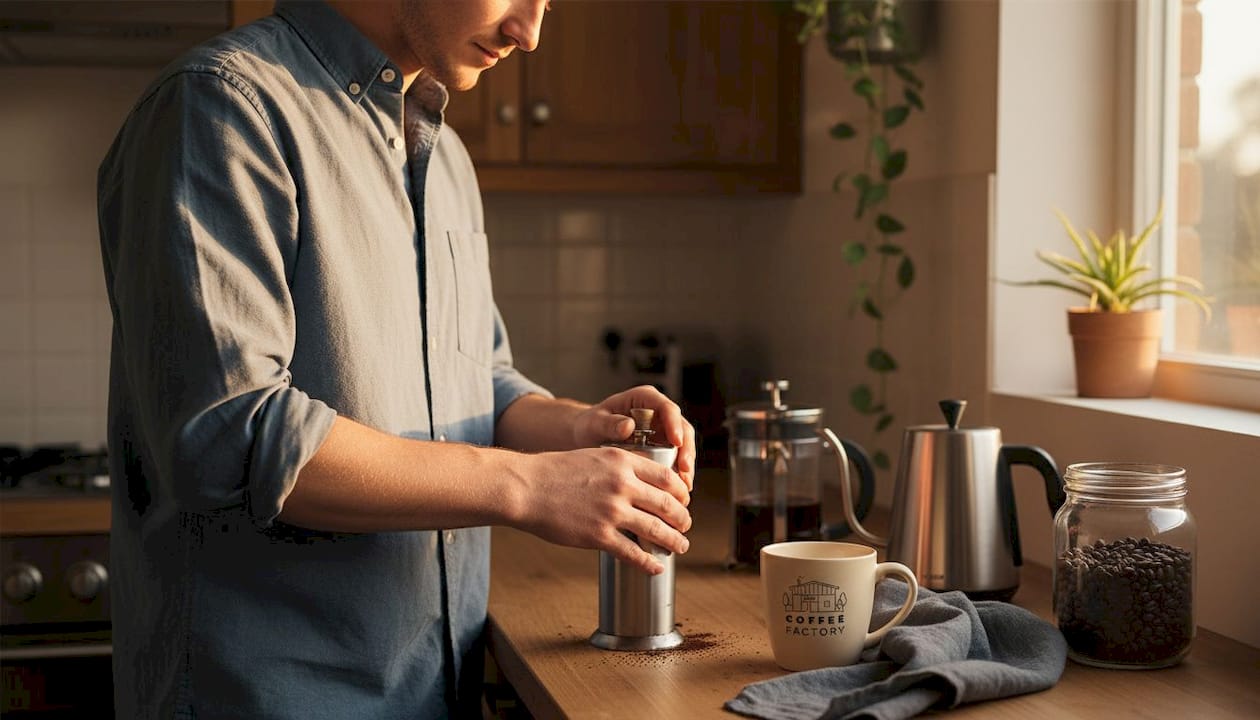
BBC Good Food lists beginner kit essentials as five core items: fresh coffee beans, a way to grind them (ideally a burr grinder), one brewing device, a kettle, and proper airtight storage. That is genuinely all you need to start brewing well at home.
Here is a closer look at each item:
- Fresh coffee beans. Pre-ground coffee starts losing flavour within minutes of grinding. Whole beans stay fresher for longer and give you far better results from any brewer.
- A burr grinder. Burr grinders crush beans evenly, which means a more consistent extraction. Blade grinders chop beans unevenly, producing a mix of fine dust and coarse chunks that makes brewing unpredictable.
- One brewing device. French press, pour-over, or a pod machine. Pick one and learn it properly. Buying multiple brewers at once usually leads to none being used well.
- A standard kettle. A gooseneck kettle gives more pouring control for methods like pour-over, but any kettle works fine when starting out.
- An airtight storage container. Coffee goes stale quickly when exposed to air and light. A simple, opaque, airtight container at room temperature is the most effective solution.
- Optional: a milk frother. If lattes and flat whites are your preferred drink, a handheld frother costs under £10 and makes a real difference.
Reviewing home barista essentials before buying anything is a useful first step. It helps avoid impulse purchases that end up unused. A dedicated coffee accessories guide can also help you prioritise based on your chosen brewing method.
Pro Tip: Think about the drink you order most at a café. A latte lover needs different tools than someone who prefers a simple filter coffee. Build your kit around that one drink, and keep everything else off the shopping list for now.
“The best home setup is not the most expensive one. It is the one you actually use every day.”
How to choose your brewing method
Now that you know the essentials, the key decision is how you will brew. This single choice shapes everything else: which beans work best, what grind size you need, and how much time you spend each morning.
Matching your café order to a brewing method makes this decision simple. The BBC Good Food beginner kit guide is clear on this: build your kit around the single drink you enjoy most rather than buying multiple methods at once.
Here is a quick overview of the most common options:
- French press. Simple, forgiving, and produces a full-bodied cup. Ideal for those who enjoy a rich, robust flavour without much fuss.
- Pour-over. Produces a clean, nuanced cup. Requires a bit more attention and technique, but rewards patience with excellent clarity of flavour.
- Pod machine. Fast and convenient. Flavour varies depending on pod quality, but modern machines have improved considerably.
- Espresso machine. Produces concentrated shots used for lattes and cappuccinos. Higher cost and a steeper learning curve make this better suited to a second or third purchase rather than a first.
Understanding coffee brewing methods in more detail can help you make a more informed choice before committing to any one device. You can also explore coffee shop drinks explained to better understand which café styles translate most easily to home brewing.
| Method | Effort level | Approximate cost | Flavour profile |
|---|---|---|---|
| French press | Low | £10 to £30 | Full-bodied, rich |
| Pour-over | Medium | £15 to £40 | Clean, bright |
| Pod machine | Very low | £50 to £150 | Consistent, variable quality |
| Espresso machine | High | £150 to £500+ | Concentrated, intense |
Pro Tip: Buy one brewing device, use it daily for at least a month, and master it before considering anything else. Most of the improvement in your cup will come from repetition and small adjustments, not from buying more gear.
Buying and storing coffee beans for great flavour
With your brewing kit sorted, getting the most from each cup depends on bean quality and storage. This is the area where many beginners make the most costly mistakes, and also where the biggest improvements are easiest to achieve.
Fresh beans are the single best upgrade available to new brewers. Supermarket coffee often sits on shelves for months after roasting. Specialty roasters print roast dates on their bags, and coffee is generally at its best between four and twenty-one days post-roast.
When buying beans, look for:
- A visible roast date (not just a best-before date)
- An origin or blend description that matches your preferred flavour notes
- A roaster that supplies freshly roasted beans, ideally dispatched within days of roasting
Storage is equally important. Fridge and freezer storage is actively discouraged by professional barista trainers, with De’Longhi training lead Michael Strickland among those advising against it. Temperature fluctuation and moisture absorption in fridges damage the bean’s cell structure and introduce off-flavours. The correct approach is a room-temperature, opaque, airtight container kept away from direct sunlight.
A dedicated resource on coffee bean storage tips covers the correct methods in full, and learning how to choose coffee beans by roast level, origin, and processing method will help you make more satisfying purchases each time.
Bean freshness and flavour: a quick reference
| Storage method | Flavour impact | Recommended |
|---|---|---|
| Airtight container, room temperature | Preserves flavour for 2 to 4 weeks | Yes |
| Open bag on counter | Rapid staling within 3 to 5 days | No |
| Fridge storage | Moisture damage, absorbs food odours | No |
| Freezer (long-term) | Structural damage, condensation issues | No |
Statistic: 73% of coffee drinkers report that fresher beans produce a noticeably better-tasting cup, reinforcing why roast date should be the primary factor when buying coffee.
Setting, timing and context: how to really enjoy your coffee
Even with top equipment and beans, the way you enjoy your coffee makes all the difference. Brewing technique is only part of the picture. Research shows that context plays a measurable role in how good your coffee actually tastes.
A large citizen-science study published in npj Science of Food found that when and how you drink matters considerably, not just what you brew. Black coffee consumed in the morning and served in a ceramic cup consistently rated highest for enjoyment across participants.
“Context shapes perception. The same coffee brewed identically can taste noticeably different depending on cup material, time of day, and surrounding environment.”
Practical ways to experiment with context at home:
- Try a ceramic mug instead of a paper or plastic cup. Ceramic retains heat evenly and does not interfere with aroma the way synthetic materials can.
- Brew before checking your phone. A calm, distraction-free few minutes before the day starts creates conditions where you actually taste what is in your cup.
- Drink near natural light. Studies on sensory perception suggest that brighter environments heighten alertness and improve flavour awareness.
- Match roast level to time of day. Lighter roasts with higher acidity tend to suit mornings. Darker, more rounded roasts can feel more satisfying in the afternoon.
- Avoid eating immediately before tasting. Strong food flavours linger and mask the subtler notes in specialty coffee.
Understanding coffee body and flavour helps you connect what you taste to what you are doing differently. Pairing that knowledge with coffee roast level tips gives you a practical framework for experimenting at home without needing to buy anything new.
Pro Tip: Before changing your beans or your brewer, change one small thing about how you drink your coffee. Use a different cup, sit somewhere quieter, or drink it ten minutes earlier. Small environmental shifts can produce surprisingly clear differences in how a cup tastes.
Keeping it clean: maintenance tips for lasting flavour
Finally, maintaining your setup ensures every cup tastes as good as your first. Equipment cleanliness is one of the most commonly ignored factors in home coffee quality, yet it is also one of the easiest to address.
De’Longhi training lead Michael Strickland identifies equipment cleanliness as a key variable that most home brewers overlook. Coffee oils left on brewing surfaces go rancid quickly, and that bitterness transfers directly into your next cup.
Simple maintenance habits that make a clear difference:
- Rinse your brewer after every use. French press plungers, pour-over cones, and machine group heads all benefit from an immediate rinse before coffee residue dries.
- Wash your grinder burrs monthly. Ground coffee accumulates inside grinders and turns stale. A soft brush is usually all that is needed for a basic clean.
- Descale your machine or kettle monthly. Hard water is common across much of the UK, and limescale builds up quickly on heating elements. This directly affects water temperature and extraction quality.
- Clean your storage container before refilling. Old coffee oils inside the container will taint fresh beans.
- Wipe down your workspace regularly. Coffee grounds left on surfaces attract moisture and can harbour bacteria that affect overall taste.
Useful home brewing tips cover maintenance alongside other practical improvements. If you ever spill grounds or brew on fabric or carpets, a guide on cleaning up coffee stains provides straightforward removal advice.
Pro Tip: Set a ten-minute calendar reminder every Sunday to give your coffee gear a quick clean. It takes very little time and prevents a slow build-up of old coffee residue that quietly degrades the quality of every cup you make during the week.
Why most coffee checklists steer beginners off course
Most beginner coffee guides have the same flaw. They front-load the advice with an intimidating list of gear, from precision scales and temperature-controlled kettles to multiple brewing devices and specialty cleaning tablets. The intention is usually good, but the effect is the opposite of helpful. New brewers end up spending more than they planned, using less than they bought, and feeling less confident rather than more.
Real coffee learning does not happen through equipment. It happens through repetition. Brewing the same method, with the same beans, slightly differently each time, is how you actually develop a palate and an understanding of what works for your preferences. A beginner who makes French press coffee every morning for a month will learn far more than someone who buys a full espresso setup and uses it twice.
The most useful framework is also the simplest: start with foundational gear, use it consistently, and only add something new when you have a specific, experience-based reason to do so. If your French press coffee tastes too bitter, that is a reason to adjust your grind size or steep time, not to buy an espresso machine. If you have genuinely mastered pour-over and want more depth, exploring flavour and extraction advice is a natural and well-founded next step.
Tastes also change over time. Many people who start with milky drinks gradually move towards black coffee as their palate develops. Building a flexible, simple setup gives you room to evolve without waste. The goal is not to own the right tools. It is to understand what you enjoy and learn how to make it consistently well.
Next steps: discover beans and brewing gear for your journey
Ready to put your beginner checklist into practice? The Coffee Factory ships freshly roasted beans direct from its Devon roastery, so you can start with quality ingredients from day one. Whether you prefer buy fresh ground coffee options for immediate use or prefer to grind your own whole beans, there is a straightforward range to explore.
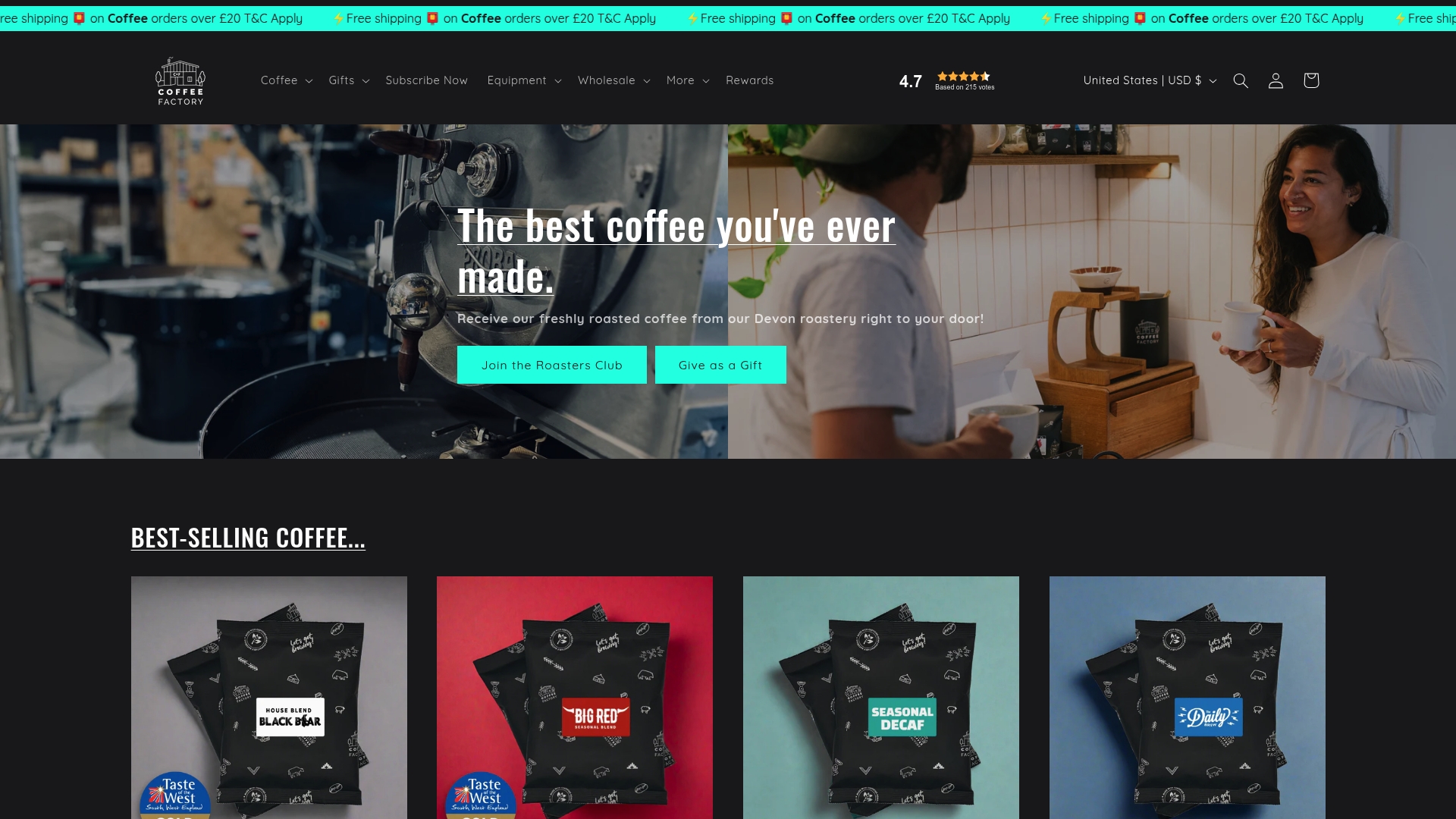
For those planning to brew in larger quantities or simply want better value, shop coffee by the kilo is a practical option that keeps costs low without compromising on freshness. A dedicated coffee brewing guide is also available to support you as your skills develop. Free shipping is available on orders over £20, making it straightforward to stock up and start practising.
Frequently asked questions
What coffee equipment is truly essential for beginners at home?
Fresh beans, a grinder, one brewer, a kettle, and an airtight storage container cover everything a beginner actually needs. Everything else can be added gradually as your skills and preferences develop.
Should you keep coffee beans in the fridge or freezer to stay fresh?
No. Fridge and freezer storage introduces moisture and temperature fluctuation that damages flavour. An airtight container at room temperature is the correct method.
Which brewing method should I pick first as a beginner?
Build your kit around the café drink you enjoy most, whether that is a rich French press filter or a clean pour-over, and focus on that method until you know it well.
Is there a perfect time of day to drink coffee for the best taste?
According to a citizen-science study in npj Science of Food, morning sessions with black coffee in a ceramic cup rated highest for enjoyment among participants across multiple trials.
How often should I clean my coffee equipment as a beginner?
Rinse after every use and descale your machine or kettle monthly, particularly if you live in a hard water area of the UK.