

Coffee break guide: top tips to enhance UK coffee breaks
TL;DR:
- Proper equipment, fresh beans, and filtered water greatly enhance coffee flavour at home.
- Timing breaks every 90-120 minutes with full attention boosts focus and wellbeing.
- Creating a calm environment and mindful attitude maximises the restorative quality of coffee breaks.
A rushed cup at your desk or a flat, forgettable brew at home — these are the small frustrations that chip away at what should be a genuinely restorative moment. Coffee breaks matter more than most people realise. With the right beans, the right method, and a bit of intention, each break can deliver real flavour and a genuine reset. This guide covers practical brewing techniques, timing strategies, and environment tips designed specifically for UK coffee lovers, whether you brew at home or in the office.
Table of Contents
- Choosing the right coffee and equipment
- Mastering brewing methods: pour-over, cafetiere and beyond
- Timing your coffee breaks for focus and wellbeing
- Creating a relaxing coffee break environment
- A fresh perspective on coffee breaks
- Enhance every coffee break with Coffee Factory
- Frequently asked questions
Key Takeaways
| Point | Details |
|---|---|
| Bean and water quality | Fresh UK-roasted beans and filtered water greatly improve coffee flavour and enjoyment. |
| Brewing method matters | Choosing the right technique for your roast and equipment elevates every break. |
| Smart scheduling | Well-timed breaks boost both energy and wellbeing throughout the day. |
| Create a ritual | A mindful atmosphere turns routine coffee moments into relaxing, rewarding experiences. |
| Upgrade with subscriptions | Coffee Factory's ongoing deliveries and product range can help you maintain high quality with every cup. |
Choosing the right coffee and equipment
Good coffee starts before the kettle boils. The choices made around beans, water, and kit shape every cup, and small upgrades here produce noticeable results.
Fresh beans make the biggest difference. UK-roasted coffee, sourced from a Devon-based roastery like The Coffee Factory, arrives at peak freshness. Beans begin losing flavour within days of roasting, so buying fresh and in smaller quantities is the most effective single change most people can make. For premium coffee selection advice, look for roast dates on the packaging rather than best-before dates.
Water quality is often overlooked. Much of the UK has hard tap water, which contains minerals that can flatten or distort coffee flavour. Filtered water at 90–96°C produces a noticeably cleaner cup, and a burr grinder ensures consistent particle size for even extraction. These two factors alone account for a significant portion of flavour variation between home brews.
Here is a basic equipment checklist for anyone starting out:
- Burr grinder — consistent grind size, essential for any method
- Gooseneck kettle — precise water control for pour-over
- Kitchen scale — accurate ratios every time
- Cafetiere — affordable, forgiving, and widely available in the UK
- Fresh beans — roasted within the past two to four weeks
For those new to home brewing, the cafetiere is an excellent starting point. It requires minimal equipment and tolerates minor variations in grind and timing. The brew guide for pour-over and cafetiere covers both methods in straightforward steps.
Pro Tip: Store beans in an airtight container away from direct light. Avoid the fridge — moisture and odour absorption affect flavour more than temperature does.
Mastering brewing methods: pour-over, cafetiere and beyond
With beans and kit ready, the brewing method determines the character of the cup. Each approach extracts differently, and understanding the basics helps match method to preference.

Pour-over suits light roasts and those who enjoy clarity and brightness. Use a 1:16 ratio — for example, 20g of coffee to 320g of water at 92–94°C — with a medium-fine grind. Bloom the grounds for 30–45 seconds using twice the coffee weight in water, then pour in slow, circular stages. Total brew time should fall between 2:30 and 3:30 minutes.
Cafetiere (French press) is more forgiving and produces a fuller, richer body. Use a coarse grind, a 1:15 ratio, and steep for four minutes before pressing slowly. This method suits medium and dark roasts well.
Here is a quick comparison of the main methods:
| Method | Grind size | Best roast | Flavour profile | Skill level |
|---|---|---|---|---|
| Pour-over | Medium-fine | Light | Bright, clean, nuanced | Intermediate |
| Cafetiere | Coarse | Medium/dark | Rich, full-bodied | Beginner |
| Immersion | Medium | Any | Balanced, forgiving | Beginner |
| Percolation | Medium | Medium | Layered, technique-sensitive | Advanced |
Pour-over highlights clarity for light roasts, while French press extracts more oils and body, making it ideal for darker profiles. Immersion methods are the most forgiving for beginners, while percolation offers nuance but demands more precision.
Common mistakes to avoid:
- Using water that is too hot (above 96°C) — this over-extracts and creates bitterness
- Grinding too fine for a cafetiere — leads to a muddy, over-extracted cup
- Skipping the bloom — results in uneven extraction and flat flavour
- Rushing the pour — inconsistent saturation affects taste
The grind is the most controllable variable in home brewing. Adjust it before changing anything else when troubleshooting flavour.
For guidance matched to specific roast profiles, the coffee roast levels guide explains how roast affects extraction and which methods suit each level. The full brewing guide for UK methods covers additional techniques in detail.
Timing your coffee breaks for focus and wellbeing
When you take a break matters as much as what you drink. Caffeine works by blocking adenosine, the compound that builds up in the brain and causes fatigue. Timed correctly, this mechanism supports sustained focus throughout the working day.
Taking breaks every 90–120 minutes aligns with the brain's natural ultradian rhythm, the cycle of alertness and rest that repeats through the day. Pairing those breaks with a short walk or a social conversation has been linked to a 23% productivity boost in workplace studies. Caffeine consumed after 2pm can interfere with sleep quality for many people, so a mid-afternoon cut-off is a practical guideline for most.
Practical timing tips:
- First coffee: 90 minutes after waking, when cortisol levels begin to drop
- Mid-morning break: around 10:30–11:00am for sustained focus before lunch
- Post-lunch break: 1:00–2:00pm to counter the early afternoon dip
- Final coffee: no later than 2:00–2:30pm for most people
- Avoid back-to-back cups — spacing them out maintains effectiveness
For home workers, the absence of a structured office environment makes intentional scheduling more important. Setting a simple timer or linking breaks to task completion helps maintain rhythm without external cues.
Pro Tip: Try a "coffee nap" — drink a cup then rest for 20 minutes. Caffeine takes around 20 minutes to absorb, so you wake up as it kicks in. It sounds counterintuitive but the research supports it.
For those managing coffee culture across a team, boosting workplace coffee culture offers practical office-focused strategies. For broader context on how UK coffee habits are evolving, UK coffee trends is worth exploring.
Creating a relaxing coffee break environment
Brewing well and timing breaks correctly are only part of the picture. The environment shapes how restorative a break actually feels. A well-made cup consumed at a cluttered desk while answering emails delivers far less benefit than the same cup taken in a calm, intentional setting.
Intentional breaks boost wellbeing through dopamine and serotonin responses, which are triggered not just by caffeine but by the sensory experience of the ritual itself. The aroma of fresh grounds, the sound of water, the warmth of the cup — these cues signal rest and recovery to the brain.
Elements of a good coffee break environment:
- A dedicated spot, separate from the main work area if possible
- Background music or silence, depending on personal preference
- Natural light where available
- A cup or mug you genuinely enjoy using
- No screens during the break, even for a few minutes
Here is a comparison of environment enhancements for home and workplace settings:
| Factor | Home tips | Workplace tips |
|---|---|---|
| Location | A specific chair or corner | Away from your desk, ideally a breakout area |
| Sensory cues | Fresh grounds, favourite mug | Shared ritual, quality beans in the office |
| Social element | Solo or with a household member | With a colleague for conversation |
| Duration | 10–15 minutes, uninterrupted | 10 minutes minimum, phone away |
| Atmosphere | Music, natural light | Quiet area or low background noise |
Small rituals carry real weight. Choosing a specific mug, grinding beans fresh each time, or simply stepping away from the screen all signal to the brain that this is a pause, not just a caffeine delivery. For advice on sourcing beans that make these moments count, choosing fresh beans and home coffee roastery advice are useful starting points. Those who prefer darker profiles will find dark roast brewing tips helpful for getting the most from each cup.
A fresh perspective on coffee breaks
Most guides focus on technique — ratios, temperatures, grind sizes. These matter. But the most overlooked factor in a genuinely good coffee break is not the method. It is the mindset brought to it.
UK coffee culture has developed quickly, with specialty UK coffee trends showing growing interest in origin, process, and craft. Yet many people still drink their coffee while working, scrolling, or talking through a problem. The cup becomes background noise rather than a moment of its own.
The most restorative breaks are the ones taken with full attention. Not every break needs to be a ceremony, but even two or three minutes of genuine pause — no task, no screen, just the coffee — changes the quality of the rest that follows. Presence is the ingredient that no equipment upgrade can replicate. Treating the break as the point, rather than a gap between tasks, is the shift that makes the biggest practical difference to both wellbeing and the enjoyment of the coffee itself.
Enhance every coffee break with Coffee Factory
Ready to put these tips into practice? The Coffee Factory offers a straightforward way to start.
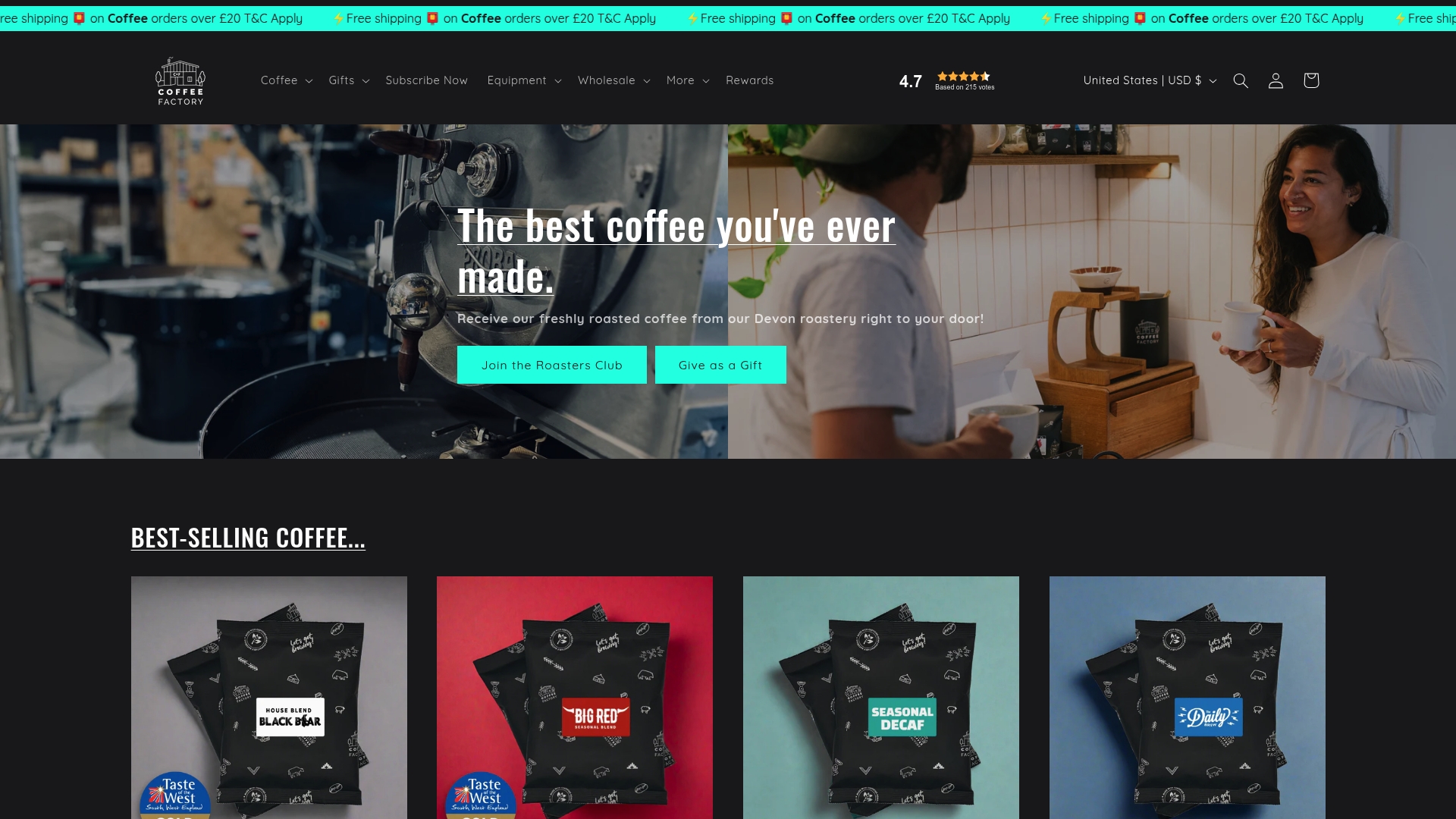
Explore a wide range of unique coffee varieties roasted fresh at the Devon roastery, including single-origin and seasonal options suited to every brewing method. For those who prefer convenience, fresh ground coffee is available ground to order. Regular drinkers benefit most from coffee subscriptions, which deliver freshly roasted beans on a schedule that suits your break routine. Free shipping is available on coffee orders over 1kg, making it straightforward to keep quality beans in stock at home or in the office.
Frequently asked questions
How can I improve coffee flavour at home?
Filtered water and fresh beans produce noticeably better taste in every cup, particularly in areas with hard tap water across the UK.
What's the ideal break schedule for office productivity?
Take breaks every 90–120 minutes and avoid caffeine after mid-afternoon to maintain focus and protect sleep quality.
Which brewing method suits light and dark roasts?
Pour-over suits light roasts, highlighting clarity and origin character, while French press delivers fuller body and works well for medium and dark roasts.
How do i create a relaxing coffee break at work?
Intentional breaks boost wellbeing through dopamine and serotonin responses — choose a quiet spot away from your desk and step away from screens for at least ten minutes.
Turning your coffee break into a daily ritual
A good break becomes much easier to keep when it turns into a ritual: the same place, the same sequence and a few minutes of attention. Repetition is what makes it stick, and the sensory cues of the routine, the smell of fresh grounds, the sound of the kettle, the warmth of the cup, start to signal calm and focus on their own.
Remove the friction
- Clear your counter and set out your equipment the night before.
- Use the same cup, the same spot and the same order of steps each time.
- Keep a glass of water nearby and drink it before your first cup.
- Choose one playlist that you only play during your coffee ritual.
Attach it to an existing habit
Habit stacking is one of the simplest ways to make a ritual last. Link your coffee to something you already do without thinking, such as getting dressed, opening your laptop or feeding a pet. Pairing it with a short walk, a few lines of journaling or a moment in daylight gives the ritual a clear start and makes it feel like a transition into the day rather than another task.
If weekdays feel too rushed, start at the weekend when there is less pressure, then bring the routine into the working week gradually.
Which method suits a quick ritual?
Pour-over rewards people who enjoy precision, and a cafetiere suits a slower, more relaxed cup. If mornings are short, an AeroPress is worth considering: it makes a concentrated, quality cup in a couple of minutes and adapts easily to different recipes. Filtered methods such as pour-over also hold back some of the coffee oils that unfiltered methods like the cafetiere let through, which some people prefer for everyday drinking.
Keeping your ritual fresh
Even a good routine can lose its spark. Keep a one line note each day on how the coffee tasted and how you felt afterwards. After a couple of weeks you will see which parts are working.
- Flat taste: check how fresh your beans are and whether your water is hot enough.
- Distraction: take your phone out of the room for the few minutes you are brewing and drinking.
- Ritual fatigue: try a new origin or roast, a different brewing method or a slightly different time of day.
- Too much caffeine: swap some cups for a good decaf. The ritual and much of its calming effect stay the same.
Can a coffee ritual work with decaf?
Yes. Much of the benefit comes from the pause, the attention and the sensory routine rather than the caffeine itself, so a decaf ritual can still give you a genuine reset, and it is a good option for an afternoon break.
Can I share the ritual?
Brewing for a partner, housemate or colleague turns a solo habit into a shared one, and tasting together makes it easier to notice what you each enjoy.