

Top office coffee solutions to boost UK workplace morale
Choosing the right office coffee solution can transform your workplace culture and directly impact employee satisfaction. With 78% of UK office workers viewing coffee breaks as vital for team bonding and 64% believing good coffee improves job satisfaction, your coffee provision matters more than you might think. This guide walks you through essential selection criteria, compares leading solutions from bean-to-cup machines to in-office baristas, and delivers practical recommendations tailored to UK workplaces in 2026. Whether you manage a small team or a large office, you'll discover how to match your coffee solution to your budget, culture, and employee needs.
Table of Contents
- What To Consider When Choosing Office Coffee Solutions
- Top Office Coffee Solutions For UK Workplaces In 2026
- Comparing Office Coffee Solutions: Factors And Costs
- Choosing The Right Office Coffee Solution For Your Team
- Explore Quality Coffee Solutions At Coffee Factory
- Frequently Asked Questions
Key takeaways
| Point | Details |
|---|---|
| Coffee breaks boost morale | Employees taking short coffee breaks show 23% higher productivity and stronger team connections. |
| Bean-to-cup machines excel | These systems balance quality, cost efficiency, and scalability for offices with 10 or more staff. |
| Quality reduces turnover | Companies providing quality coffee report 18% lower turnover, saving £15,000 to £30,000 per employee in recruitment costs. |
| In-office baristas cost more | Personal barista service enhances social interaction but requires £25,000 to £30,000 annually. |
| Sustainability adds value | Ethical sourcing, plant-based milk options, and compostable grounds increasingly matter to UK employees. |
What to consider when choosing office coffee solutions
Selecting the right coffee solution requires balancing several critical factors. Your office size and employee preferences form the foundation. A team of five has different needs than a team of fifty, and understanding whether your staff prefer lattes, espressos, or simple black coffee shapes your equipment choice.
Budget constraints demand careful attention to both upfront and ongoing costs. Initial equipment purchases or rental fees represent just one part of the equation. Factor in coffee bean or pod supplies, maintenance contracts, electricity consumption, and potential staff training. Many offices overlook these recurring expenses, leading to budget surprises months after installation.
Quality directly influences morale and productivity. Research shows employees taking short coffee breaks are 23% more productive than those who skip them entirely. Poor quality coffee undermines this benefit, signalling to staff that their comfort matters less than cost cutting. Investing in better coffee pays dividends through improved engagement and reduced sick days.
Maintenance and servicing needs vary dramatically between solutions. Some systems require daily cleaning and weekly descaling, whilst others operate with minimal intervention. Consider who handles these tasks. Will office staff manage routine maintenance, or does your budget allow for professional servicing contracts? Unreliable equipment frustrates employees and disrupts the very breaks meant to boost morale.
Sustainability and ethical sourcing increasingly influence purchasing decisions. One third of Brits now prefer plant-based milk in their coffee, and many employees expect their workplace to reflect environmental values. Choosing ethically sourced beans and systems that minimise waste demonstrates corporate responsibility whilst meeting staff expectations.
Pro Tip: Survey your team before selecting a solution. Understanding actual preferences prevents costly mistakes and shows employees their opinions matter.
Key considerations include:
- Office size and daily cup volume
- Budget for equipment, supplies, and maintenance
- Staff preferences for coffee styles and strength
- Available space for equipment and break areas
- Environmental and ethical priorities
Top office coffee solutions for UK workplaces in 2026
Three main solutions dominate the UK office coffee market, each offering distinct advantages for different workplace scenarios.
Bean-to-cup machines deliver freshly ground coffee at the touch of a button. These systems grind whole beans immediately before brewing, preserving flavour and aroma that pre-ground alternatives cannot match. They accommodate diverse preferences through programmable settings for strength, milk ratios, and cup sizes. Bean-to-cup machines scale effectively for offices with 10 or more staff, handling high volumes whilst maintaining consistency. Initial costs range from £1,000 to £5,000 depending on features, with ongoing expenses for beans, milk, and servicing.

Coffee pod systems prioritise convenience and simplicity. Individual pods contain pre-measured, sealed coffee that stays fresh until use. These machines require minimal cleaning, no grinding expertise, and produce consistent results every time. They suit smaller teams where daily consumption remains modest. However, per-cup costs run higher than bean-to-cup options, and pod waste raises environmental concerns despite recycling programmes. Pod machines typically cost £200 to £800 upfront, making them accessible for tight budgets.
In-office baristas represent the premium end of workplace coffee provision. A trained professional prepares drinks to order, creating café-quality beverages whilst fostering social interaction. This personal touch transforms coffee breaks into genuine team-building moments. The primary drawback is cost: employing a barista runs £25,000 to £30,000 annually, limiting this option to larger organisations or those prioritising employee experience above all else.
Comparing the three solutions:
- Bean-to-cup machines offer the best balance for most offices, combining quality, scalability, and reasonable ongoing costs
- Pod systems work brilliantly for small teams valuing convenience over per-cup economy
- In-office baristas deliver unmatched quality and social benefits but require substantial budget commitment
Your team size and budget naturally guide this choice. Offices with fewer than 10 staff often find pod systems sufficient. Teams of 10 to 50 benefit most from bean-to-cup machines. Larger organisations with 50-plus employees might justify a barista, particularly if workplace culture emphasises employee wellbeing.
Explore quality office coffee machines that fit various workplace needs and budgets.
Comparing office coffee solutions: factors and costs
Understanding the full cost picture helps you make informed decisions. Initial equipment costs form just the starting point.
Bean-to-cup machines require £1,000 to £5,000 upfront, with monthly running costs of £150 to £400 for beans, milk, cleaning supplies, and electricity. Annual servicing adds £200 to £500 depending on usage intensity and water hardness. For a 30-person office consuming 60 cups daily, this translates to roughly 30p to 50p per cup.
Pod systems cost £200 to £800 initially, appearing more accessible. However, pods run 40p to 80p each, pushing monthly expenses to £200 to £600 for the same 30-person office. Annual costs often exceed bean-to-cup systems despite lower equipment investment. The convenience premium becomes substantial over time.
In-office baristas eliminate equipment concerns but demand £25,000 to £30,000 yearly for salary, training, and supplies. This works out to roughly £2 to £3 per cup for a 30-person office, making it viable only where employee experience justifies premium spending.
| Solution | Initial Cost | Monthly Running | Cost Per Cup | Best For |
|---|---|---|---|---|
| Bean-to-cup | £1,000-£5,000 | £150-£400 | 30p-50p | 10-50 staff offices |
| Pod system | £200-£800 | £200-£600 | 40p-80p | Small teams under 10 |
| In-office barista | Minimal equipment | £2,000-£2,500 | £2-£3 | Large offices 50+ staff |
Employee satisfaction impact justifies these investments. Companies providing quality coffee report 23% higher satisfaction and 18% lower turnover rates. Given that replacing an employee costs £15,000 to £30,000 in recruitment, onboarding, and lost productivity, quality coffee becomes a retention tool rather than mere perk.
Maintenance requirements vary significantly. Bean-to-cup machines need daily rinsing, weekly deep cleaning, and professional servicing every 6 to 12 months. Pod systems require only occasional descaling. Barista services shift maintenance entirely to the professional, though you'll need to maintain espresso equipment.
Scalability matters for growing businesses. Bean-to-cup machines handle increased demand simply by purchasing more beans. Pod systems scale easily but at higher per-cup costs. Baristas can serve only so many people per hour, potentially requiring multiple staff as your team expands.
Pro Tip: If you rent rather than purchase equipment, you may claim the full rental cost as a business expense, improving cash flow whilst accessing better machines.
"Quality coffee in the workplace isn't a luxury anymore. It's an investment in employee wellbeing that pays returns through improved morale, productivity, and retention. The cost per cup pales compared to the cost of replacing dissatisfied staff." – Workplace wellness research
Proper coffee bean storage ensures your investment delivers consistent quality. Beans lose flavour rapidly when exposed to air, light, or moisture.
Choosing the right office coffee solution for your team
Matching your solution to your specific workplace context ensures maximum impact.
Small teams valuing social interaction should consider pod systems or even a high-quality filter coffee setup. The lower volume doesn't justify bean-to-cup investment, and the simplicity keeps maintenance manageable. If budget allows and culture emphasises community, a part-time barista for peak morning hours creates memorable experiences without full-time costs.
Medium to large offices prioritising cost and quality balance find bean-to-cup machines ideal. These systems serve 10 to 50 people efficiently whilst keeping per-cup costs reasonable. Choose models with multiple drink options to accommodate diverse preferences. Ensure your break room has adequate space for the machine, supplies, and comfortable seating.
Maximising employee engagement requires more than just equipment. Create dedicated break spaces away from desks where colleagues naturally gather. Research shows 82% of workers say coffee improves their mood and productivity, whilst 70% view coffee chats as their most sociable workplace moments. Comfortable seating, natural light, and pleasant décor transform coffee breaks from rushed caffeine hits into genuine respite.
Location matters enormously. Placing your coffee station centrally encourages cross-departmental interaction. Tucking it away in a corner reduces its social benefit. Consider noise levels too. Grinders and steam wands can disrupt nearby workers, so balance accessibility with acoustic comfort.
Managed service contracts remove operational headaches. These agreements bundle equipment, supplies, maintenance, and repairs into one monthly fee. You'll pay slightly more than self-managing, but you eliminate procurement hassles and ensure consistent quality. For busy office managers juggling multiple responsibilities, this convenience justifies the premium.
Key recommendations:
- Survey staff preferences before committing to any solution
- Calculate total cost of ownership over three years, not just initial price
- Prioritise reliability and service support over feature lists
- Create inviting break spaces that encourage lingering and conversation
- Review your choice annually as team size and preferences evolve
Remember that 98% of employers now view coffee provision as vital for workplace wellness. Your choice signals how much you value employee comfort and satisfaction. Getting it right strengthens culture, boosts retention, and demonstrates that leadership understands what matters to staff.
Explore emerging specialty coffee trends to keep your office offering fresh and exciting.
Explore quality coffee solutions at Coffee Factory
Now that you understand the key factors in selecting office coffee solutions, Coffee Factory offers everything you need to implement your choice. Our range of coffee machines includes bean-to-cup systems and pod-compatible models suitable for offices of all sizes.
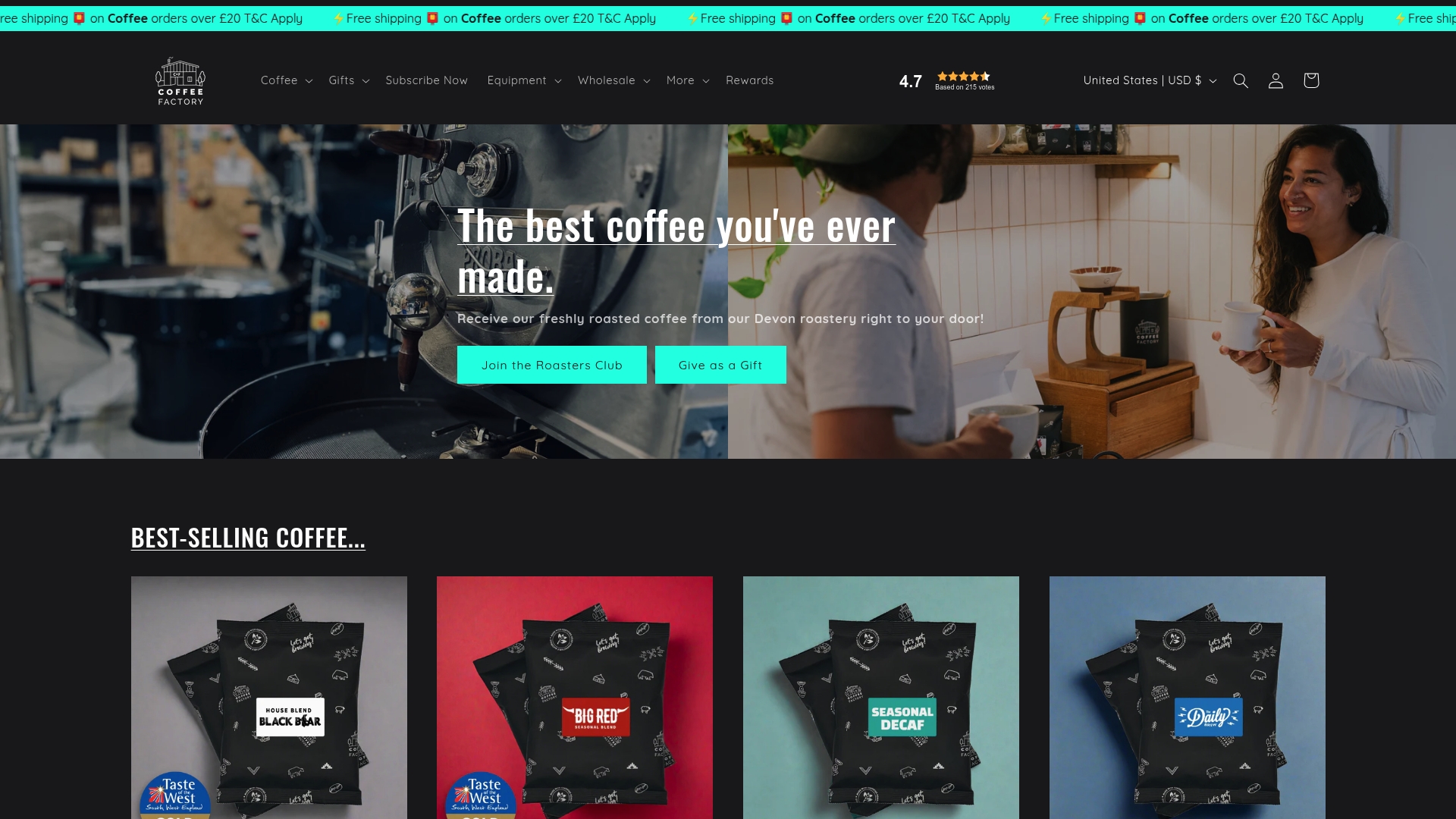
For offices preferring the convenience of pods, our coffee pod subscriptions ensure you never run out whilst locking in consistent pricing. If you've chosen bean-to-cup, our fresh coffee subscriptions deliver freshly roasted beans from our Devon roastery directly to your door. We offer free shipping on coffee orders over 1kg, making it easy to stock up without worrying about delivery costs. As a trusted UK supplier, we understand what British workplaces need and deliver the quality your team deserves.
Frequently asked questions
What is the best type of coffee machine for offices?
Bean-to-cup machines typically offer the best balance of quality and scalability for most offices with 10 or more staff. They deliver fresh-ground coffee with customisable options whilst keeping per-cup costs reasonable. Pod systems suit smaller teams where convenience outweighs per-cup economy, whilst in-office baristas provide premium service for larger organisations prioritising employee experience.
How often should office coffee machines be serviced?
Recommended service intervals range from every 6 to 12 months depending on usage volume and water hardness in your area. High-use machines in hard water regions need more frequent attention. Regular cleaning including weekly descaling extends machine lifespan and maintains drink quality. Many suppliers offer managed service contracts that handle all maintenance automatically.
Can quality coffee reduce employee turnover?
Yes, companies providing quality office coffee reported 18% lower turnover rates, helping avoid recruitment expenses of £15,000 to £30,000 per employee. Good coffee signals that employers value staff comfort and wellbeing. Seventy-five percent of employees view quality coffee as evidence their employer cares about their experience, directly influencing retention decisions.
Are sustainable coffee options important in offices?
Sustainability increasingly matters to UK employees, with demand rising for ethically sourced beans, plant-based milk alternatives, and compostable coffee grounds. One third of Brits now prefer plant-based milk in their coffee, and many staff expect workplaces to reflect environmental values. Choosing sustainable options demonstrates corporate responsibility whilst meeting employee expectations, particularly among younger workers who prioritise ethical practices.
Getting the most from coffee at work: timing, dose and breaks
The right equipment is only half the story. How and when your team drinks coffee has a big effect on whether it actually helps them work well.
Timing matters more than volume
Caffeine works by blocking adenosine, the chemical that builds up through the day and makes us feel tired. It is most effective when it is tackling real tiredness, rather than topping up a brain that is already alert. For most people that means two good windows:
- Mid-morning, roughly 9:30 to 11:30, after the body's natural early morning alertness has started to fade.
- Just after lunch, when energy naturally dips.
Caffeine stays in the body for several hours, so a cup late in the afternoon can still be affecting sleep that night. A cut off around 2pm suits most people, and poor sleep costs far more productivity than an extra cup can give back.
How much is sensible?
The benefits level off quickly. A moderate amount sharpens attention and reaction time, but larger amounts tend to bring jitters, anxiety and afternoon crashes. For most adults, two to four cups spread through the day is plenty. People also vary a lot: some clear caffeine quickly while others feel it for many hours, so the right amount is personal.
Signs someone is overdoing it include headaches when they miss a usual cup, trouble sleeping, irritability, and focus that gets worse rather than better as the day goes on. Anyone wanting to cut back should do it gradually over a week or two, as stopping suddenly often brings headaches and poor concentration for a few days.
Make the break count
Much of the value of a coffee break comes from the break itself. Stepping away from the screen for ten or fifteen minutes lets concentration recover, and informal chats build trust between colleagues and across teams. Two regular breaks, one mid-morning and one early afternoon, give the day a natural rhythm. In larger teams, staggering them keeps the kitchen from becoming a queue.
What managers can do
- Offer choice, including decaf, so people can keep the break ritual later in the day without the caffeine.
- Take visible breaks yourself. If senior staff never leave their desks, others will feel they cannot either.
- Put a short note by the coffee station about timing and decaf options, rather than making it a formal policy.
- Do not use coffee to paper over workload problems. If a team needs constant caffeine to keep up, the issue is usually staffing or hours.
More questions about coffee at work
Does drinking more coffee make people more productive?
No. Well timed, moderate amounts work better than unlimited coffee, because high intake brings anxiety, poor sleep and tolerance that cancel out the benefits.