

What is a roastery? Elevate your home coffee in 2026
Many coffee lovers picture a roastery as little more than a large room full of hot machines turning green beans brown. That picture misses almost everything that matters. A roastery is the technical and creative centre of coffee quality, where sourcing decisions, precise temperature control, and skilled judgement combine to shape every cup you brew at home. This guide covers the science, the equipment, and the expertise behind the process, so you can make smarter choices when buying beans and get consistently better results from your home setup.
Table of Contents
- Understanding the roastery: Beyond the basics
- Roaster types: Drum vs air roasters
- Roast levels explained: From light to dark
- Roastery expertise: The craft and science behind great coffee
- How to choose coffee from a roastery for home brewing
- Experience better coffee at home with freshly roasted beans
- Frequently asked questions
Key Takeaways
| Point | Details |
|---|---|
| Roasteries craft coffee flavour | A roastery is where green beans become aromatic, flavourful coffee using precise techniques. |
| Equipment shapes your brew | Choices like drum or air roasters have direct impact on sweetness, acidity, and aroma. |
| Roast levels guide selection | Agtron scale roast levels (light, medium, dark) help you pick the right beans for your brewing method. |
| Freshness matters most | Always check roast date; fresher beans mean better home-brewed coffee. |
Understanding the roastery: Beyond the basics
A roastery is a specialist facility dedicated to transforming raw green coffee beans into the finished product you grind and brew. It is not simply a production line. It is where flavour is built, tested, and refined before a single bag reaches your door. As the flavour science of roasting explains, roasteries are where beans are transformed from green to complex, flavourful coffee using specialised equipment and methods.
The people working inside a roastery are trained to control three core variables: time, temperature, and airflow. Adjust any one of these and the flavour profile shifts. Too much heat too quickly and the outside of the bean scorches before the inside develops. Too little and the result is flat, underdeveloped coffee.
A well-run roastery also takes responsibility for what happens before the beans arrive. Ethical sourcing, direct trade relationships, and sample roasting for quality assurance are all standard practice. Here is what a roastery typically handles:
- Sourcing green beans from vetted farms and cooperatives
- Sample roasting small batches to assess quality
- Cupping (tasting) to evaluate aroma, body, and flavour
- Production roasting to a defined profile
- Quality checks before packing and dispatch
Browsing specialty coffee beans from a roastery that publishes this information gives you confidence in what you are buying.
Roaster types: Drum vs air roasters
The machine a roastery uses has a direct effect on the flavour in your cup. Two types dominate the industry: drum roasters and air roasters, also called fluid-bed roasters. Each transfers heat differently, and that difference matters.
According to a drum vs air roasters study, drum roasters use conduction, convection, and radiation for slower, fuller-bodied results, while air/fluid-bed roasters use faster convection for brighter acidity and cleaner cups.
| Feature | Drum roaster | Air/fluid-bed roaster |
|---|---|---|
| Roast time | 12 to 15 minutes | 6 to 10 minutes |
| Heat method | Conduction, convection, radiation | Convection only |
| Flavour profile | Fuller body, sweetness, complexity | Brighter acidity, cleaner finish |
| Chaff removal | Manual | Automatic |
| Best suited for | Espresso, dark and medium roasts | Filter, light roasts |
Drum roasters are the traditional choice and remain the most common in speciality roasteries. They are well suited to producing the kind of rich, rounded flavour you find in a well-pulled espresso. Air roasters are faster and tend to highlight the origin characteristics of a bean, which is why they are popular for single-origin filter coffees.
“Drum roasters produce a bolder, nuanced sweetness, while air roasting highlights crisp acidity.”
If you enjoy artisan coffee pods or prefer a bold espresso, beans roasted on a drum machine are likely to suit your palate. For those following specialty coffee trends towards lighter, more complex filter brews, air-roasted beans are worth exploring. The wider world of specialty coffee covers both styles.
Roast levels explained: From light to dark
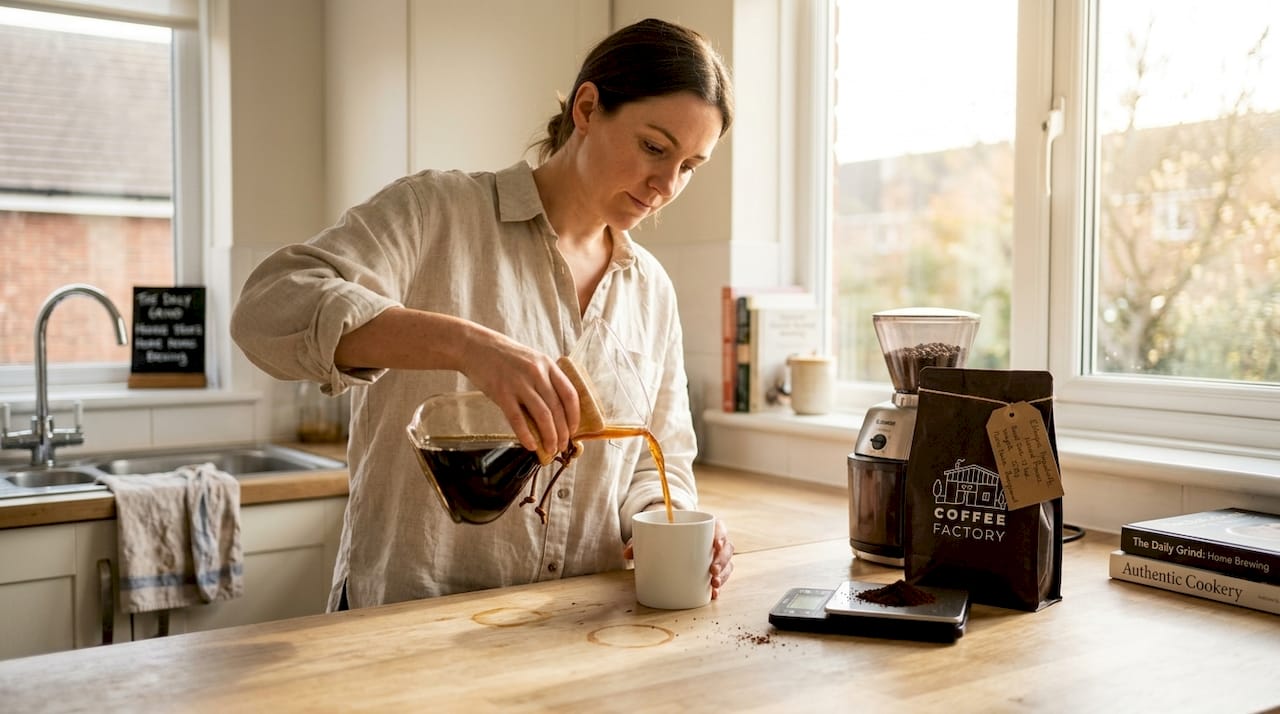
Roast level is one of the most practical pieces of information on any bag of coffee. It tells you what to expect in the cup before you even open the bag. Roasteries use the Agtron scale to benchmark colour, from light (65 to 100) to medium (45 to 65) to dark (25 to 45), with distinct body and flavour outcomes at each stage.
| Roast level | Agtron range | Flavour notes | Best brew method |
|---|---|---|---|
| Light | 65 to 100 | Fruity, floral, high acidity | Pour-over, filter |
| Medium | 45 to 65 | Balanced, caramel, mild sweetness | Auto drip, Aeropress |
| Dark | 25 to 45 | Bold, smoky, low acidity | Espresso, French press |
Beans also lose weight during roasting. Moisture and carbon dioxide escape as the bean heats up, and beans lose 12 to 20% of their original weight through the process. This is why roasted coffee costs more per kilogram than green beans.
A key moment in every roast is the “first crack,” the point at which internal pressure causes the bean to audibly pop. Development time after this crack determines the final flavour. Too short and the coffee tastes sour. Too long and it goes flat and baked.
- Light roast: minimal development after first crack, preserving origin flavours
- Medium roast: moderate development, balancing origin and roast character
- Dark roast: extended development, pushing roast flavours to the front
Pro Tip: Match your roast level to your brew method. Light roasts shine in a pour-over or filter setup. For best espresso roast types, a medium or dark roast will give you the body and sweetness that espresso extraction rewards. Browsing medium roast coffee is a good starting point if you are unsure.
Roastery expertise: The craft and science behind great coffee
A roastery is only as good as the people running it. Skilled roasters follow a structured workflow that goes well beyond pressing a button and waiting. Every stage requires judgement, and small errors compound quickly.
Here is the typical workflow inside a professional roastery:
- Sourcing green beans from farms with verified quality and ethical standards
- Sample roasting small quantities to assess the bean’s potential
- Cupping to evaluate aroma, acidity, body, sweetness, and finish
- Profile development to define the time and temperature curve for production
- Production roasting using the approved profile
- Quality assurance checks before packing, including colour measurement and taste testing
The most critical skill is managing development after first crack. As roasteries monitor development post-first crack to avoid defects such as sour or baked flavours, even a few seconds of difference can change the outcome. This is why experienced roasters log every batch and adjust for variables like ambient temperature and bean density.
Understanding roastery club tiers can help you access beans roasted to specific profiles on a regular basis. Pairing that with solid home brewing tips closes the gap between roastery quality and what ends up in your mug.
Pro Tip: When choosing a roastery, look for one that publishes roast dates and detailed flavour notes on every bag. Transparency at this level signals that the roastery takes quality seriously at every stage.
How to choose coffee from a roastery for home brewing
Knowing what a roastery does is useful. Knowing how to apply that knowledge when buying coffee is what actually improves your daily cup. A few practical checks make a significant difference.
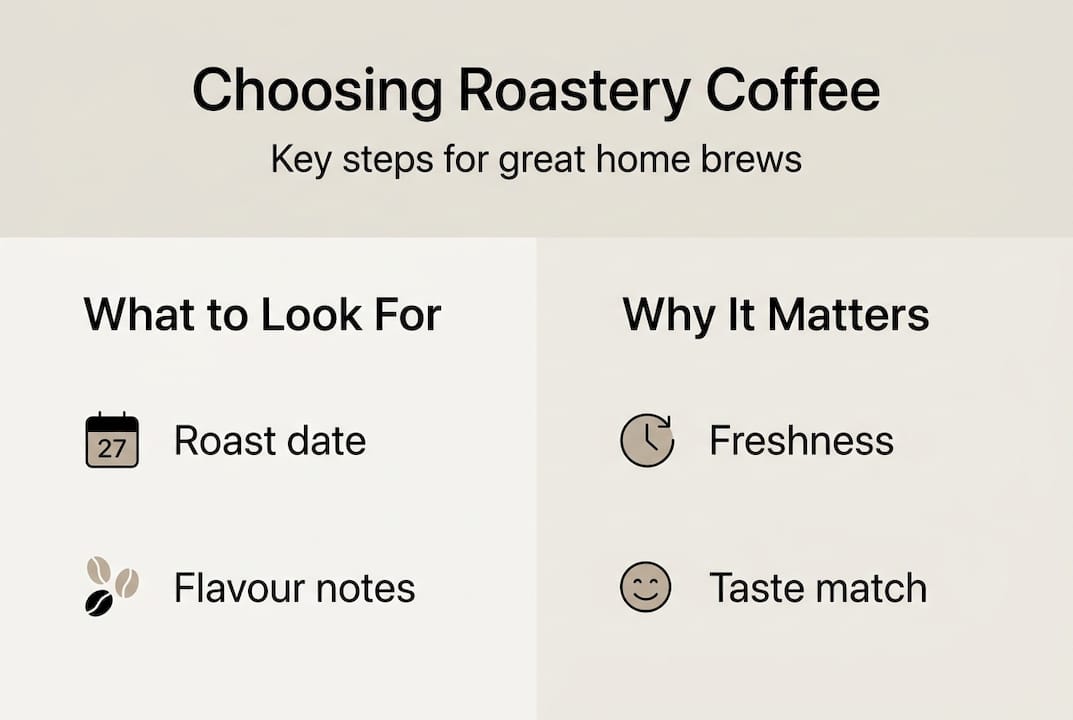
Check the roast date first. Freshness is the single biggest factor most home brewers overlook. Coffee is at its best between 4 and 21 days after roasting, once the initial off-gassing of carbon dioxide has settled. Aim to use beans within 1 to 4 weeks of the roast date for peak flavour.
Read the flavour descriptors. Roasteries that invest in quality will list tasting notes on the bag. Words like “blackcurrant,” “caramel,” or “dark chocolate” are not marketing language. They reflect real compounds present in the bean at that roast level.
Match roast to brew method. As different roast levels suit different brewing methods, light roasts work best for filter, while medium and dark roasts suit espresso. Using a dark roast in a pour-over will produce a heavy, bitter result. Using a light roast in an espresso machine often produces a sour, under-extracted shot.
Here is a quick reference:
- Light roast: pour-over, Chemex, V60, cold brew
- Medium roast: Aeropress, auto drip, Moka pot
- Dark roast: espresso machine, French press, stovetop
Consider origin and sourcing. Single-origin beans from a named farm or region offer traceability and often reflect the roastery’s commitment to quality. Blends are designed for consistency and are a reliable choice for everyday brewing. If espresso is your focus, a coffee subscription for espresso from a roastery that profiles specifically for espresso extraction is worth considering.
Experience better coffee at home with freshly roasted beans
Putting roastery knowledge into practice starts with having access to genuinely fresh, well-roasted beans. The Coffee Factory roasts from its Devon-based roastery and ships directly to your door, so freshness is built into the process rather than an afterthought.
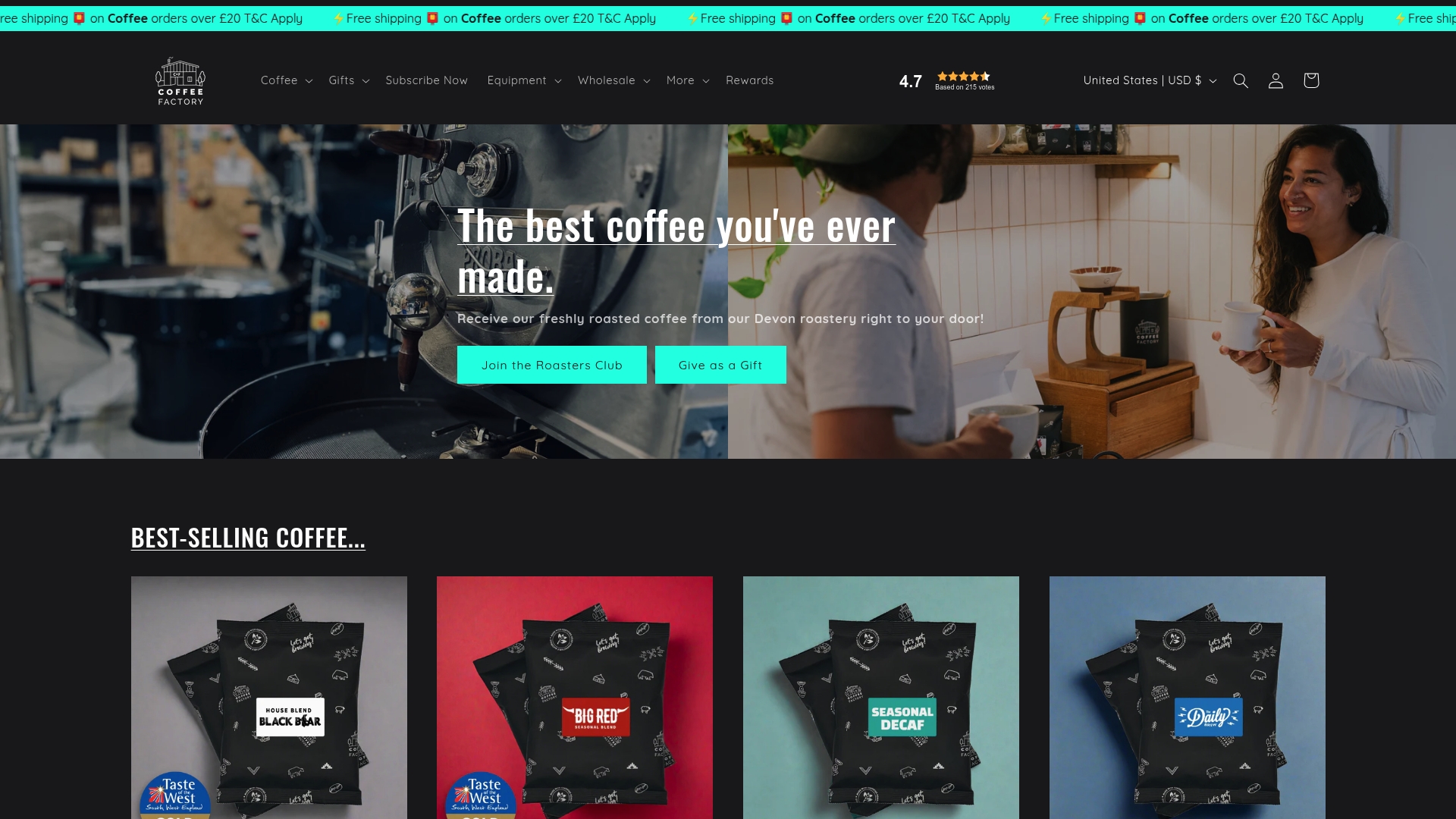
Browse a wide range of unique coffee varieties covering light, medium, and dark roasts, all with clear flavour notes and roast dates. If you prefer the convenience of pre-ground, the fresh ground coffee range is ground to order. For practical guidance on getting the most from your beans at home, the coffee brewing tips section covers methods from espresso to filter. Subscription options are also available, ensuring a regular supply of freshly roasted coffee without the need to reorder manually.
Frequently asked questions
What does a roastery do?
A roastery transforms raw green coffee beans into finished roasted coffee using specialised equipment and expert techniques. It is also where flavour, aroma, and body are developed through controlled heat application.
What are the main types of coffee roasters?
Drum roasters and air/fluid-bed roasters are the two main types. Drum and air roasters use different heat transfer methods, with drum roasters producing richer body and sweetness, and air roasters creating brighter, cleaner flavours.
How do I know which roast level is right for me?
Choose lighter roasts for fruity, acidic profiles suited to filter brewing, medium for balance and caramel notes, and dark for bold, smoky espresso. The Agtron scale is the industry standard for measuring roast level and predicting flavour.
How can I ensure my coffee is fresh?
Look for a roasted-on date printed on the bag and aim to use beans within 1 to 4 weeks for peak flavour. Beans lose flavour over time as aromatic compounds dissipate after roasting.
Recommended
- Elevate Your Home Espresso: Why the Roasters Club Duo Offers the Best
- Why coffee beans are roasted: flavour science explained
- Elevate Your Home Brewing: Comparing the Roasters Club Classic vs. Duo
- Visit Our Devon Coffee Roastery & Specialty Shop | The Coffee Factory
- Eco-Conscious Coffee Brewing Process for Sustainable Enjoyment – EcoVibe Roast