

What is artisan coffee? Discover craftsmanship in 2026
Many coffee enthusiasts mistakenly believe artisan coffee and specialty coffee are interchangeable terms, but artisan coffee represents a distinct philosophy focused on handcraft at every stage. Whilst specialty coffee relies primarily on SCA scoring systems, artisan coffee emphasises small-batch roasting, direct trade relationships, and flavour balance that transforms your daily cup into an experience. This guide explores what truly defines artisan coffee, from the unique flavour profiles shaped by origin and processing to optimal brewing methods and the cultural movement reshaping UK coffee culture in 2026.
Table of Contents
- What Defines Artisan Coffee And How It Differs From Specialty Coffee
- The Unique Flavour Profiles Shaped By Origin, Processing And Roast
- Brewing Artisan Coffee: Methods And Best Practices For Optimal Flavour
- Artisan Coffee In The UK: Cultural Significance And The Third Wave Movement
- Explore Artisan Coffee With The Coffee Factory
Key takeaways
| Point | Details |
|---|---|
| Artisan coffee definition | Handcrafted small-batch roasting with direct sourcing from traceable farms, emphasising craft over scoring systems |
| Unique flavour origins | Terroir, processing methods, and light roasting create distinctive profiles from fruity to floral notes |
| Optimal brewing methods | Pour-over, AeroPress, and French press highlight delicate flavours with precise ratios and temperatures |
| UK cultural significance | The UK third wave movement transformed coffee into an experiential, ethical practice |
What defines artisan coffee and how it differs from specialty coffee
Artisan coffee involves meticulous craftsmanship at every stage, from farm selection to the final pour in your cup. Unlike mass-produced coffee, artisan roasters work in small batches typically below 15kg per roast, allowing precise control over flavour development. This hands-on approach ensures each batch receives individual attention, with roasters adjusting profiles based on bean density, moisture content, and desired taste outcomes.
The Specialty Coffee Association scoring system provides a foundation, requiring beans to score 80 points or above across attributes like aroma, flavour, acidity, body, and aftertaste. However, artisan coffee extends beyond numerical grading to embrace a philosophy of direct relationships with farmers, transparent sourcing, and flavour balance that honours the bean's origin character. You'll find artisan roasters visiting farms personally, understanding cultivation practices, and paying premium prices that support sustainable farming.
Key characteristics distinguishing artisan coffee include:
- Small-batch roasting allowing precise flavour control
- Direct trade relationships ensuring farmer welfare
- Traceable sourcing from specific farms or cooperatives
- Fresh roasting within days of shipping
- Light to medium roast profiles preserving origin notes
Specialty coffee functions as a quality category defined primarily by SCA scores, whilst artisan coffee represents a craft-focused approach prioritising experience and ethical sourcing. This distinction matters because artisan roasters often reject beans that score well but lack interesting flavour complexity, choosing instead coffees with unique processing or terroir characteristics that tell a story.
"Artisan coffee transforms the commodity approach into a craft, where every decision from cherry selection to brew method serves the ultimate goal of flavour clarity and ethical production."
When you purchase artisan coffee pods, you're supporting this entire ecosystem of careful cultivation, thoughtful roasting, and transparent trade practices. The difference becomes immediately apparent in your cup, where nuanced flavours replace the generic bitterness or one-dimensional sweetness common in commercial coffees.
The unique flavour profiles shaped by origin, processing and roast
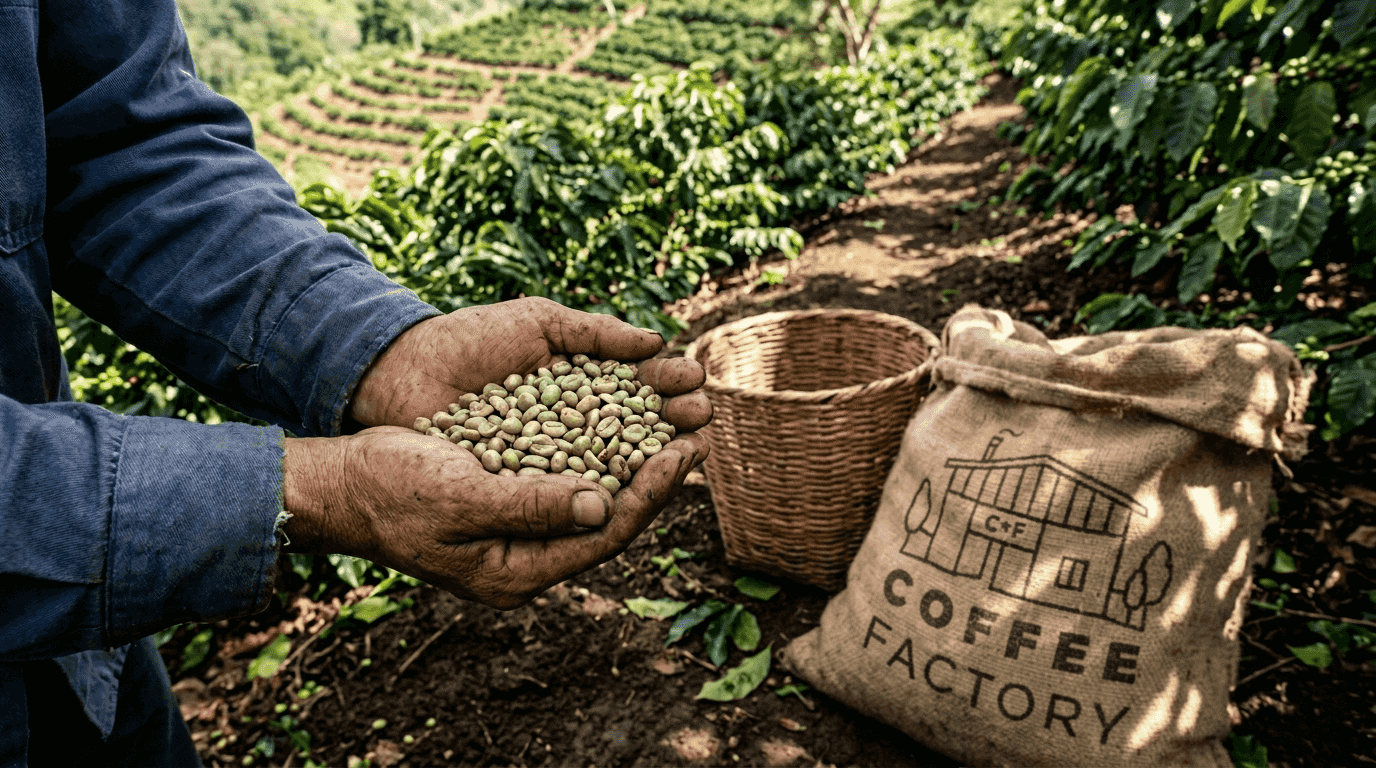
Terroir creates the foundation for artisan coffee's distinctive taste, with altitude, soil composition, climate, and surrounding vegetation all contributing aromatic compounds and flavour precursors. Beans grown above 1,200 metres develop slower, accumulating complex sugars and acids that translate into bright, nuanced cups. Volcanic soils in regions like Ethiopia or Guatemala impart mineral notes, whilst shade-grown coffees develop deeper body and chocolate undertones from reduced sun exposure.
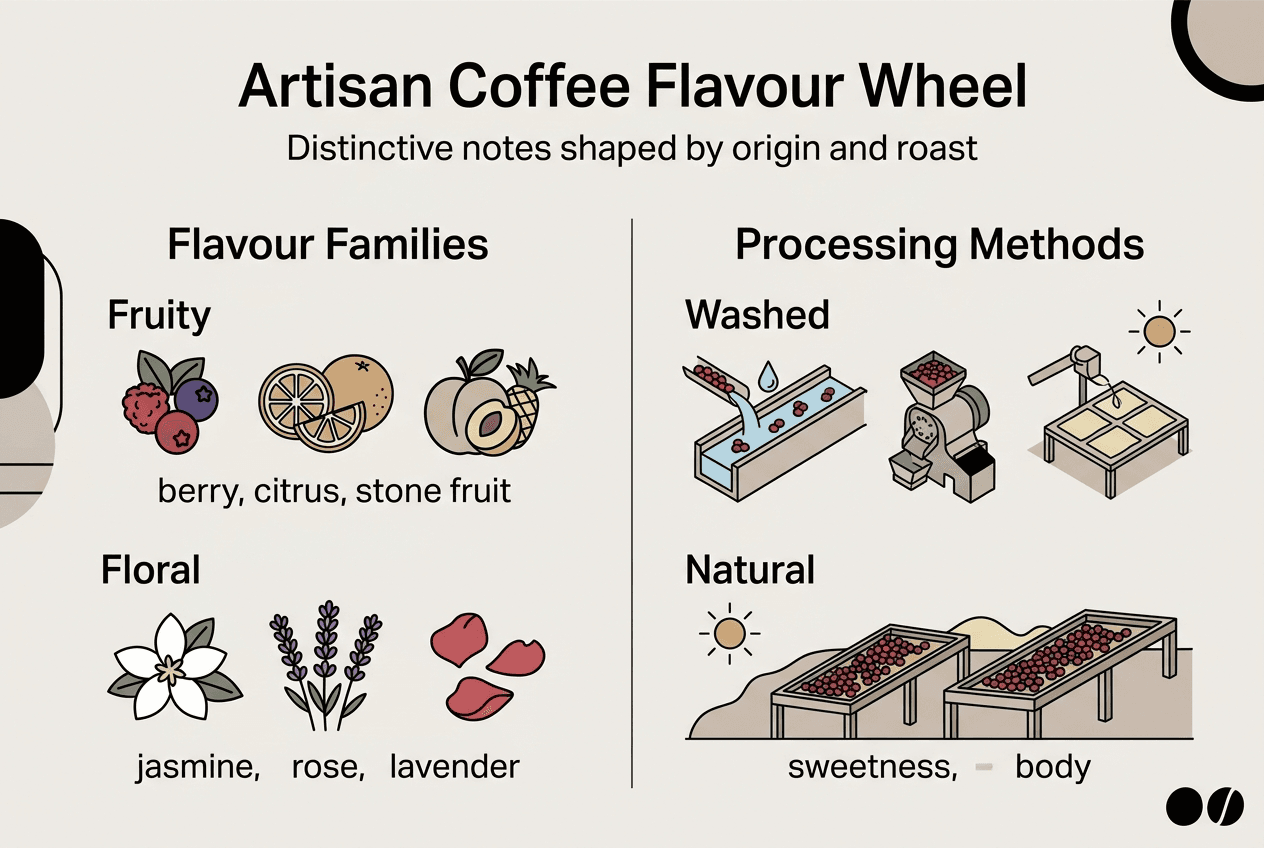
Processing methods dramatically alter the final flavour profile by controlling how cherry fruit interacts with the bean during drying. Washed processing removes fruit immediately, producing clean, bright coffees with pronounced acidity and clarity. Natural processing leaves fruit intact during drying, creating heavier body with intense fruity, wine-like characteristics. Honey processing falls between these extremes, offering balanced sweetness with moderate fruit notes.
Anaerobic fermentation represents an innovative processing technique gaining popularity amongst artisan roasters in 2026. Farmers seal freshly picked cherries in oxygen-free tanks for 48 to 72 hours, encouraging specific bacterial cultures that produce exotic flavour compounds. These coffees exhibit unexpected notes like cantaloupe, honeydew melon, pineapple, or honey combined with lemon blossoms, creating taste experiences impossible through traditional processing.
Light to medium roasting preserves these delicate origin characteristics by stopping development before caramelisation dominates. Roasters carefully monitor first crack, the audible pop when beans expand and release moisture, and typically finish roasting shortly after to maintain acidity, floral aromatics, and fruit-forward notes. Darker roasts sacrifice origin character for roast-derived flavours like chocolate, caramel, and smoke.
| Processing method | Flavour characteristics | Body | Acidity |
|---|---|---|---|
| Washed | Clean, bright, tea-like | Light to medium | High |
| Natural | Fruity, wine-like, complex | Heavy | Low to medium |
| Honey | Balanced sweetness, caramel | Medium | Medium |
| Anaerobic | Exotic fruit, floral, funky | Medium to heavy | Medium to high |
The SCA flavour wheel categorises these attributes into families: fruity (berry, citrus, dried fruit), floral (jasmine, rose, chamomile), sweet (chocolate, caramel, honey), nutty (almond, hazelnut), and spicy (cinnamon, clove, pepper). Artisan roasters use this framework to communicate taste expectations, helping you select single origin coffee beans matching your preferences.
Pro Tip: When tasting artisan coffee with anaerobic processing, let the cup cool to room temperature. Exotic fruit notes like melon and pineapple become more pronounced as temperature drops, revealing complexity hidden at higher temperatures.
Understanding how origin influences flavour empowers you to explore coffees strategically. Ethiopian naturals deliver blueberry and strawberry notes, Kenyan washed coffees offer blackcurrant and tomato acidity, Colombian beans provide balanced chocolate and citrus, whilst Indonesian coffees present earthy, herbal characteristics with heavy body.
Brewing artisan coffee: methods and best practices for optimal flavour
Pour-over methods like V60 and Chemex excel at highlighting artisan coffee's delicate flavours through precise control over extraction variables. These techniques use paper filters to remove oils and fine particles, producing exceptionally clean cups where subtle fruit and floral notes shine. The cone shape and spiral ribs of the V60 encourage even extraction, whilst Chemex's thicker filters create lighter body with enhanced clarity.
Optimal brewing parameters include a coffee-to-water ratio between 1:15 and 1:17, depending on desired strength. Water temperature matters critically, with 92 to 96°C extracting balanced flavours without bitterness. Grind size should resemble granulated sugar for pour-over, slightly coarser for French press, and finer for espresso. Total brew time typically ranges from 3 to 4 minutes for immersion methods, 2.5 to 3 minutes for pour-over.
Follow these steps for exceptional pour-over results:
- Heat water to 94°C and rinse the paper filter to remove papery taste
- Weigh 15g of freshly ground coffee for every 250ml of water
- Start your timer and pour 30g of water in a circular motion for the bloom phase
- Wait 30 to 45 seconds whilst carbon dioxide escapes and grounds expand
- Pour remaining water in controlled circles, maintaining consistent flow rate
- Finish pouring by 2 minutes, allowing full drawdown by 3 minutes
French press brewing suits artisan coffees with heavier body and chocolate notes, as the metal filter preserves natural oils that contribute mouthfeel. Use a coarse grind to prevent sediment, steep for exactly 4 minutes, then press slowly to separate grounds from liquid. This method produces fuller-bodied cups with more texture than paper-filtered alternatives.
AeroPress offers versatility through inverted or standard brewing, with shorter contact times and pressure-assisted extraction. Experiment with grind size from medium-fine to medium-coarse, adjusting steep time between 1 and 3 minutes. The rubber seal creates slight pressure during plunging, extracting concentrated flavours that work beautifully for single-origin artisan coffees with complex profiles.
Espresso demands precision equipment and technique but rewards you with concentrated flavour showcasing artisan coffee's full potential. Dose 18 to 20g into a clean portafilter, distribute evenly, tamp with consistent pressure, and extract 36 to 40g in 25 to 30 seconds. Detailed brewing guidance helps you master these variables for consistent results.
Pro Tip: If your artisan coffee tastes sour or tea-like, grind slightly finer or increase water temperature by 2°C. If bitterness dominates, coarsen your grind or reduce temperature. Small adjustments create dramatic flavour shifts, so change one variable at a time.
Water quality influences extraction significantly, with ideal brewing water containing 50 to 175 ppm total dissolved solids. Hard water over-extracts, creating harsh bitterness, whilst distilled water under-extracts, producing flat, sour cups. Use filtered water or third-wave water recipes to optimise mineral content for balanced extraction.
Consult brewing method comparisons and artisan brewing techniques to refine your approach based on specific coffee characteristics. Each origin and processing method responds differently to brewing variables, making experimentation essential for discovering your perfect cup.
Artisan coffee in the UK: cultural significance and the third wave movement
The third wave coffee movement redefined coffee as an artisanal product deserving the same appreciation as wine or craft beer, emphasising origin transparency, light roasting, and direct trade relationships. This cultural shift began in the United States during the early 2000s but found passionate adoption across the UK, where coffee culture evolved from instant granules to sophisticated appreciation of single-origin beans and precise brewing methods.
The movement took hold in the UK from the late 1970s onwards, with independent roasters at Borough Market pioneering a new approach — demonstrating that British consumers would embrace quality over convenience when presented with transparent sourcing and exceptional flavour. By the 2000s, UK-based World Barista Champions were elevating roasting technique and farmer relationships to new standards.
Key characteristics of the UK third wave movement include:
- Direct trade paying farmers 2 to 3 times commodity prices
- Transparent sourcing with farm names and processing details
- Light roast profiles preserving origin character
- Skilled baristas trained in extraction science
- Seasonal offerings reflecting harvest cycles
| Aspect | Chain coffee culture | Artisan coffee culture |
|---|---|---|
| Sourcing | Commodity blends, unknown origins | Direct trade, traceable farms |
| Roasting | Dark roasts masking bean quality | Light to medium preserving origin |
| Preparation | Automated machines, minimal skill | Skilled baristas, manual methods |
| Experience | Transactional, grab-and-go | Educational, experiential |
| Pricing | Volume-based discounts | Premium reflecting quality |
Borough Market exemplifies this cultural shift, hosting multiple artisan roasters who educate customers about processing methods, cupping scores, and brewing techniques. These spaces function as community hubs where coffee becomes a conversation starter rather than mere caffeine delivery. You'll find roasters conducting cuppings, baristas explaining extraction theory, and customers discussing farm visits and harvest conditions.
"The third wave movement transformed coffee from a commodity into a craft, where transparency, sustainability, and flavour complexity replace the industrial model of standardisation and convenience."
Ethical sourcing underpins artisan coffee culture, with roasters visiting farms to understand cultivation challenges, invest in processing infrastructure, and establish long-term partnerships. The best UK artisan roasters use multi-year contracts guaranteeing farmers stable income, enabling investments in quality improvements that benefit both producers and consumers. This model contrasts sharply with commodity trading, where price volatility and anonymous supply chains leave farmers vulnerable to market fluctuations.
The cultural significance extends beyond coffee shops into homes, where enthusiasts invest in grinders, scales, and brewing equipment to replicate café quality. This democratisation of knowledge through workshops, online resources, and fresh coffee gifting creates a community united by appreciation for craftsmanship and flavour exploration.
Artisan coffee's growth in 2026 reflects broader consumer trends favouring authenticity, sustainability, and experiential purchases over mass-produced alternatives. You're not simply buying coffee but participating in a global network of farmers, roasters, and enthusiasts dedicated to elevating coffee culture through quality, transparency, and ethical practices.
Explore artisan coffee with the Coffee Factory
The Coffee Factory brings Devon-roasted artisan coffee directly to your door, with fresh beans roasted in small batches and shipped within days of roasting. Our curated selection includes unique coffee varieties from traceable farms, seasonal offerings, and single-origin beans showcasing the distinctive flavours explored throughout this guide.
Whether you're discovering artisan coffee for the first time or refining your brewing technique, our comprehensive brewing guides provide step-by-step instructions for pour-over, French press, AeroPress, and espresso methods. We've eliminated the guesswork, translating professional barista knowledge into accessible guidance that helps you achieve café-quality results at home.
Consider a fresh coffee subscription to explore different origins, processing methods, and roast profiles without commitment. Subscriptions arrive on your schedule, introducing you to seasonal harvests and limited releases whilst ensuring you never run out of freshly roasted beans. Pro Tip: Rotate between washed Ethiopian, natural Brazilian, and honey-processed Colombian coffees to develop your palate's sensitivity to processing methods and origin characteristics.
What is artisan coffee? Frequently asked questions
What is the difference between artisan and specialty coffee?
Specialty coffee refers to beans scoring 80 points or above on the SCA grading system, evaluated on attributes like aroma, flavour, acidity, body, and aftertaste. Artisan coffee emphasises craft, small-batch roasting, and direct trade relationships beyond numerical scoring. Whilst all artisan coffee typically meets specialty grade standards, the artisan designation focuses on philosophy and production methods rather than scores alone. Many artisan roasters prioritise flavour complexity and ethical sourcing over maximising SCA points.
How can I recognise true artisan coffee when buying?
Look for packaging displaying roast dates within 2 to 4 weeks, indicating freshness essential for optimal flavour. Genuine artisan coffee includes detailed origin information such as farm names, processing methods, altitude, and varietal. Small-batch roasting claims should specify batch sizes, typically below 15kg. Direct trade or relationship coffee designations signal ethical sourcing and farmer partnerships. Avoid vague labels like "premium blend" or "gourmet coffee" without specific origin details, as these often mask commodity beans.
What flavours make artisan coffee unique?
Artisan coffee flavours vary dramatically by terroir and processing, ranging from blueberry and strawberry in Ethiopian naturals to blackcurrant acidity in Kenyan washed coffees. Light to medium roasting preserves delicate notes like jasmine, honeydew melon, lemon blossom, and dark chocolate that darker roasts would obscure. Anaerobic fermentation produces exotic profiles including pineapple, cantaloupe, and wine-like complexity. These distinctive flavours result from careful cultivation, innovative processing, and roasting techniques that honour rather than dominate origin characteristics.
Why does artisan coffee often cost more?
Artisan coffee pricing reflects small-batch roasting requiring specialised equipment and skilled operators, direct trade paying farmers 2 to 3 times commodity prices, and high-quality beans scoring above 80 points. Ethical sourcing includes farm visits, long-term contracts, and investments in processing infrastructure that benefit producers. Fresh roasting and rapid shipping add costs compared to mass-produced coffee sitting in warehouses for months. You're paying for craftsmanship, transparency, and flavour complexity impossible in commodity coffee, plus supporting sustainable farming practices.
What is the best brewing method for artisan coffee at home?
Pour-over methods like V60 or Chemex highlight artisan coffee's delicate flavours through clean extraction and precise control. French press suits heavier-bodied coffees with chocolate notes, preserving natural oils for fuller mouthfeel. AeroPress offers versatility for experimenting with steep times and grind sizes. Espresso provides concentrated flavour showcasing complexity but demands significant equipment investment. Match your brewing method to the coffee's characteristics, using light roasts with fruity notes for pour-over and darker, chocolatey beans for French press. Experiment with grind size, water temperature, and ratio to optimise extraction for each origin.