

Why switch to premium coffee? 5 real benefits in 2026
TL;DR:
- Premium coffee offers richer aroma, flavour, and freshness compared to supermarket blends.
- Switching is affordable, convenient, and involves minimal routine changes, especially with subscriptions.
- Freshly roasted beans significantly enhance taste, making the upgrade worthwhile for all coffee drinkers.
Most UK coffee drinkers settle for whatever is on the supermarket shelf, assuming that home brewing has a ceiling. It does not. The gap between a flat, forgettable cup and a genuinely rewarding one comes down to a single decision: the beans you choose. Premium, freshly roasted coffee delivers more flavour, more aroma, and more consistency than any mass-market blend. This guide breaks down exactly what makes specialty coffee different, why the price is more reasonable than you might think, and how to make the switch without any fuss or specialist knowledge.
Table of Contents
- What makes premium coffee different?
- Taste and freshness: The real payoff
- Is premium coffee truly worth the price?
- How to make the switch (without hassle)
- Why most coffee lovers wait too long to upgrade
- Discover premium coffee made easy
- Frequently asked questions
Key Takeaways
| Point | Details |
|---|---|
| Premium means fresh and flavourful | Premium coffee uses the best beans, freshly roasted and ground for a richer, more complex taste at home. |
| Price gap is shrinking | Specialty coffee is now more affordable in the UK as market shifts bring quality within reach for home brewers. |
| Switching is easier than you think | Coffee subscriptions and UK roasters make it simple to upgrade your daily brew with no specialist gear required. |
| Taste improvement is dramatic | Fresh premium coffee delivers stronger aroma, more nuanced flavour, and better consistency in every cup. |
What makes premium coffee different?
Premium coffee starts at the source. Specialty-grade beans are grown at specific altitudes, harvested at peak ripeness, and sourced from traceable farms or cooperatives. Mass-market blends, by contrast, prioritise volume and shelf stability over flavour. The result is a product that is consistent in the wrong direction: reliably average.
Small-batch roasting is the other key factor. When a roaster processes smaller quantities, they can monitor temperature curves closely and adjust for each specific bean. Supermarket coffee is roasted in industrial quantities, often months before it reaches your kitchen.
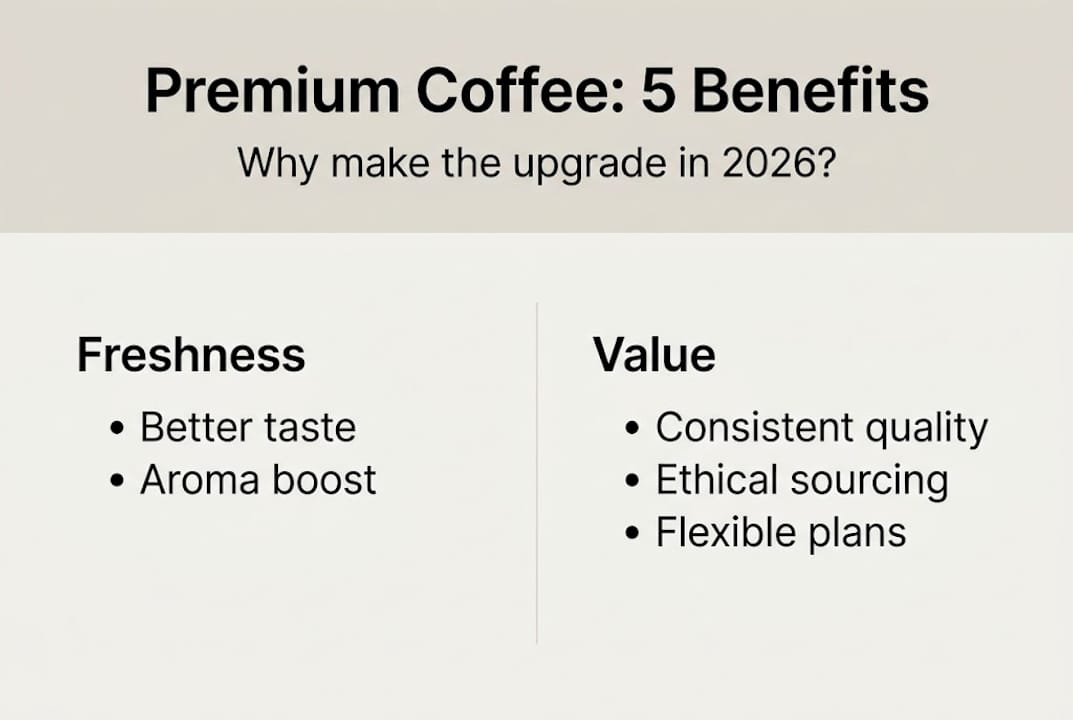
| Feature | Supermarket coffee | Premium specialty coffee |
|---|---|---|
| Origin | Mixed, often unlisted | Single origin or traceable blend |
| Roast date | Weeks or months old | Roasted to order or within days |
| Flavour profile | Flat, one-dimensional | Complex, layered, distinctive |
| Cost per cup | Low | Slightly higher, narrowing gap |
The sensory difference is real and measurable. Premium coffee offers:
- Aroma: Rich, distinct scents before the first sip
- Body: A satisfying weight and texture in the mouth
- Aftertaste: Clean, pleasant finish rather than bitterness
- Complexity: Flavour notes that shift as the cup cools
Pro Tip: Grinding whole beans just before brewing makes a measurable difference. Pre-ground coffee oxidises within minutes of exposure to air, stripping away the volatile compounds responsible for aroma and flavour. A basic burr grinder solves this immediately.
The UK market is already responding. Commodity price volatility has pushed supermarket coffee prices upward, narrowing the gap with specialty options. For practical home espresso tips and guidance on getting the most from fresh beans, there is no shortage of accessible resources.
Taste and freshness: The real payoff
Understanding what sets premium coffee apart, it is time to focus on the main reason people make the switch: taste. And taste is almost entirely a freshness story.
Oxidation is the enemy. Once coffee is roasted, it begins releasing carbon dioxide and absorbing oxygen. Pre-ground coffee accelerates this process dramatically. Supermarket coffee oxidises faster than whole beans, reducing taste significantly within minutes of grinding. By the time a pre-ground bag reaches your kitchen, much of what made the coffee interesting is already gone.
| Quality factor | Premium freshly roasted | Pre-ground supermarket |
|---|---|---|
| Flavour retention | High, peaks 4-14 days post-roast | Low, degrades rapidly |
| Aroma longevity | Strong and lasting | Faint or absent |
| Strength | Full extraction potential | Inconsistent |
| Subtle notes | Clearly detectable | Largely lost |
You will taste the difference most clearly in these situations:
- Black coffee: No milk to mask the flavour, so bean quality is everything
- Morning brew: First cup of the day, when your palate is freshest
- Milk drinks: Even in a flat white, premium beans produce a richer, more defined base
- Cafetière or pour-over: Slower methods highlight complexity and reward quality beans
Specialty coffees rated at 4.17/5 on average, with the UK market shifting toward quality-led purchasing as consumers recognise the difference freshness makes.
This is not a marginal improvement. It is a fundamentally different experience. A good coffee subscription guide can help you find freshly roasted beans delivered on a schedule that keeps your supply at peak quality.
Is premium coffee truly worth the price?
Great taste is tempting, but is it really worth paying more? The honest answer is that the price gap is smaller than most people assume, and it is shrinking further.
Commodity coffee prices have risen sharply due to supply chain pressures and climate-related crop disruptions. Supermarket blends that once seemed cheap are now priced closer to entry-level specialty options. Meanwhile, specialty coffees priced at $25-40 per bag consistently receive the highest consumer ratings, averaging 4.17 out of 5.
| Coffee type | Approx. price per bag | Average rating |
|---|---|---|
| Commodity supermarket blend | £4-£8 | 2.8-3.2/5 |
| Mid-range branded coffee | £8-£14 | 3.3-3.7/5 |
| Specialty single origin | £12-£20+ | 4.0-4.17/5 |
Several factors influence the cost of specialty coffee:
- Origin: Remote or high-altitude farms carry higher logistics costs
- Roast approach: Small-batch roasting is more labour-intensive
- Direct trade: Paying fair prices to farmers increases cost but improves quality
- Freshness guarantee: Roasting to order means less waste but more precision
Pro Tip: Buying on subscription or in larger quantities reduces the per-cup cost noticeably. Many UK roasters offer discounts of 10-15% for subscribers, making value in coffee subscriptions genuinely competitive with supermarket pricing when you factor in quality per cup.
When you break it down to cost per cup, the difference is often less than 30-50 pence. That is a small premium for a substantially better result.

How to make the switch (without hassle)
If the value is convincing, here is precisely how to upgrade your home coffee without over-complicating your routine.
- Sample first. Try a taster box or small bag from a UK roaster before committing. Most offer introductory options so you can find your preferred flavour profile.
- Find a roaster you trust. Look for clear roast dates, traceable origins, and straightforward ordering. Devon-based roasters like The Coffee Factory roast and dispatch within days.
- Decide: whole bean or pre-ground. Whole beans stay fresher longer. If you do not own a grinder, pre-ground from a quality roaster is still a significant step up from supermarket blends.
- Set up a delivery schedule. Running out of coffee and defaulting to supermarket beans is the most common reason people do not stick with the switch. A regular delivery removes that friction.
- Adjust your brew method if needed. Premium beans often require minor tweaks to grind size or water temperature. Most roasters include guidance with each bag.
Common concerns, addressed directly:
- Equipment: You do not need expensive kit. A cafetière and a basic grinder are enough to notice the difference.
- Price: As covered above, the gap is narrower than it appears, especially on subscription.
- Habit change: Ordering online replaces a supermarket trip. The routine shift is minimal.
UK roasters emphasise subscriptions for consistent fresh delivery, supporting home brewers in replicating café quality without guesswork.
Pro Tip: A choosing a subscription comparison can help you match delivery frequency and bean variety to your actual consumption. Most coffee subscriptions are flexible and easy to pause or cancel.
Why most coffee lovers wait too long to upgrade
There is a persistent belief that premium coffee is for connoisseurs. People assume they need to know the difference between a washed Ethiopian and a natural Colombian before they are allowed to enjoy specialty beans. That assumption is simply not accurate.
The reality is that most first-timers find the leap far less intimidating than expected. You do not need to identify tasting notes or understand roast profiles. You just need to brew a cup and notice that it tastes better. That is usually enough.
The gap between supermarket and specialty is also shrinking practically. Prices are converging, roasters are making ordering simpler, and freshly roasted beans are easier to access than ever. Exploring specialty coffee does not require expertise, just curiosity.
Most people who make the switch say the same thing: they wish they had done it sooner. The extra effort is minimal. The payoff is immediate. Waiting for the “right moment” or more knowledge is the only real barrier, and it is not a good one.
Discover premium coffee made easy
With the barriers addressed and the value clear, the next step is straightforward. The Coffee Factory roasts fresh from its Devon roastery and delivers directly to your door across the UK.
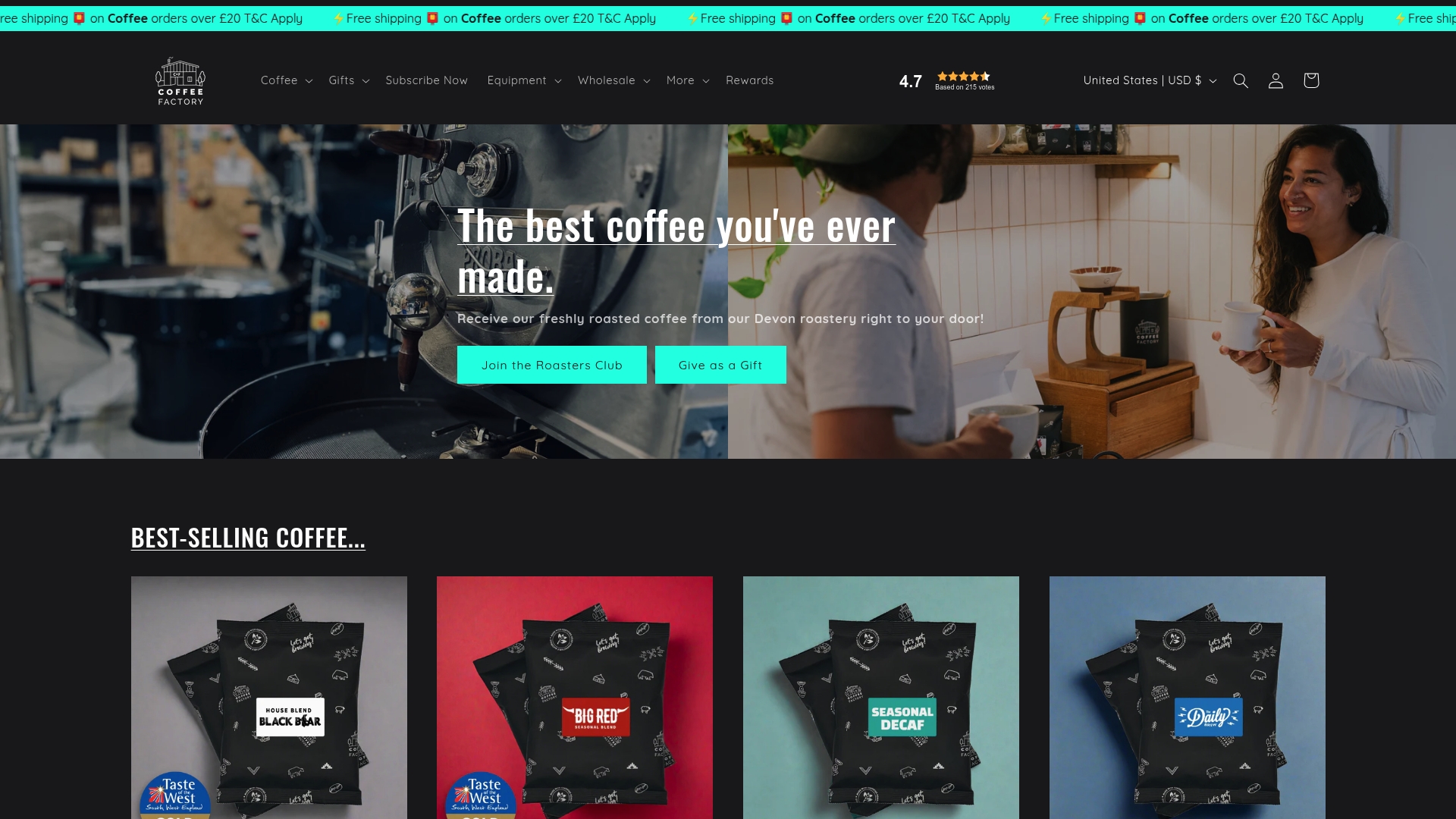
Browse a wide range of unique coffee varieties including single origins, seasonal releases, and best-selling blends. Prefer convenience? Fresh ground coffee is available in multiple grind sizes to suit your brew method. For ongoing freshness without the hassle of reordering, explore flexible coffee subscriptions with free shipping on orders over £20. No specialist knowledge required. Just better coffee, delivered regularly.
Frequently asked questions
Will I really notice a difference switching to premium coffee?
Yes. Freshly roasted, specialty-grade beans deliver more flavour, aroma, and consistency than supermarket blends. Pre-ground coffee loses its key flavour compounds within minutes of grinding, making freshness the single biggest factor in cup quality.
Is making premium coffee at home complicated?
Not at all. UK roasters offer subscriptions with simple guide cards, flexible delivery options, and a choice of pre-ground or whole bean to suit any setup.
How much more expensive is premium coffee?
The price gap is narrowing. Top-rated specialty bags average 4.17 out of 5 and are priced between $25-40, while commodity coffee prices have risen due to supply chain and climate pressures.
Why do experts recommend grinding coffee at home?
Grinding just before brewing preserves the natural oils and volatile compounds that create aroma and flavour. Whole beans stay fresh significantly longer than pre-ground, maximising quality in every cup.
Recommended
- Specialty coffee trends 2026: UK enthusiasts guide
- What is a coffee subscription? Your 2026 guide to better coffee
- Unlock the benefits of coffee subscriptions — start enjoying better co
- Fresh coffee gifting tips for unique UK gifts in 2026
- Coffee from around the world – Autoryzowany dystrybutor i serwis Jura Wrocław