

How to order premium coffee online in the UK
Ordering premium coffee online in the UK should be straightforward, yet many coffee lovers struggle to find suppliers who deliver genuine freshness and quality. The challenge isn’t just choosing between countless brands; it’s understanding which roasters truly roast to order, how subscriptions compare to one-off purchases, and what grind suits your brewing method. This guide walks you through everything you need to know, from assessing your consumption habits to placing your first order with confidence, ensuring you get the freshest coffee delivered straight to your door.
Table of Contents
- Key takeaways
- What you need to order coffee online in the UK
- How to choose the best online coffee supplier and ordering options
- Step-by-step guide to ordering your coffee online
- Common mistakes when ordering coffee online and how to avoid them
- Explore premium coffee selections and subscriptions at Coffee Factory
- Frequently asked questions
Key Takeaways
| Point | Details |
|---|---|
| Roast to order | Prioritise UK based roasters that roast beans only after you order to maximise freshness and minimise stale stock. |
| Subscriptions for regular drinkers | If you drink coffee daily, a subscription can save money and ensure automatic deliveries without needing to reorder. |
| Test before subscribing | Test a one off order first to assess flavour, grind and value before committing to a subscription. |
| Ethical and quality certifications | Look beyond marketing buzzwords and favour roasters with transparent sourcing and certifications that exceed baseline Fairtrade standards. |
| Quantity by consumption | Calculate weekly intake and choose bag sizes based on consumption to avoid waste and maintain freshness. |
What you need to order coffee online in the UK
Before clicking that checkout button, you need clarity on three fundamental aspects: your consumption patterns, brewing preferences, and quality expectations. These factors determine whether you should buy 250g bags monthly or commit to 1kg deliveries weekly.
Start by calculating your weekly coffee intake. A standard cup uses roughly 15g of ground coffee, so if you drink two cups daily, you’ll consume about 210g weekly. Heavy users opt for 1kg bags weekly, whilst light users order monthly, with decaf options available for those reducing caffeine. This calculation prevents you from either running out mid-week or storing beans past their peak freshness window, which typically spans four weeks after roasting.
Your brewing method dictates the grind size you’ll need. French press requires coarse grounds that steep without passing through the mesh, whilst espresso machines demand fine powder that creates proper resistance for extraction. Filter machines sit somewhere between, using medium grinds that balance flow rate with flavour extraction. Getting this wrong produces either bitter, over-extracted coffee or weak, under-extracted disappointment. Most UK roasters offer whole beans, pre-ground options, or both, so check your coffee brewing guide before ordering.
| Brewing method | Grind size | Typical brew time |
|---|---|---|
| French press | Coarse | 4 minutes |
| Filter/drip | Medium | 5 minutes |
| Espresso | Fine | 25-30 seconds |
| AeroPress | Medium-fine | 1-2 minutes |
Deciding between one-time purchases and subscriptions depends on consistency versus flexibility. Subscriptions suit daily drinkers who’ve identified their favourite roast profile and want automated deliveries without thinking about reordering. One-time purchases work better for explorers testing different origins or casual drinkers who don’t maintain regular consumption patterns. Many UK roasters let you pause subscriptions during holidays, offering more flexibility than you might expect.

Quality indicators extend beyond marketing buzzwords. Roast dates matter more than brand reputation; coffee roasted three months ago tastes stale regardless of the roaster’s prestige. Ethical sourcing certifications signal transparency, though standards vary. Fairtrade represents a baseline, but many specialty roasters exceed these requirements through direct trade relationships that pay farmers significantly above commodity prices. These details usually appear on product pages, so read carefully before adding items to your basket.
Pro Tip: Order whole beans and grind them just before brewing to maximise freshness. Pre-ground coffee loses aromatic compounds within hours of grinding, whilst whole beans maintain flavour for weeks.
How to choose the best online coffee supplier and ordering options
Selecting your supplier determines everything from flavour quality to delivery reliability. UK-based roasters who roast to order provide the freshest coffee, whilst supermarket brands often sit on shelves for months before reaching your cupboard. Prioritising roast-to-order roasters ensures premium freshness, with subscriptions working best for regular drinkers who want convenience without compromising quality.
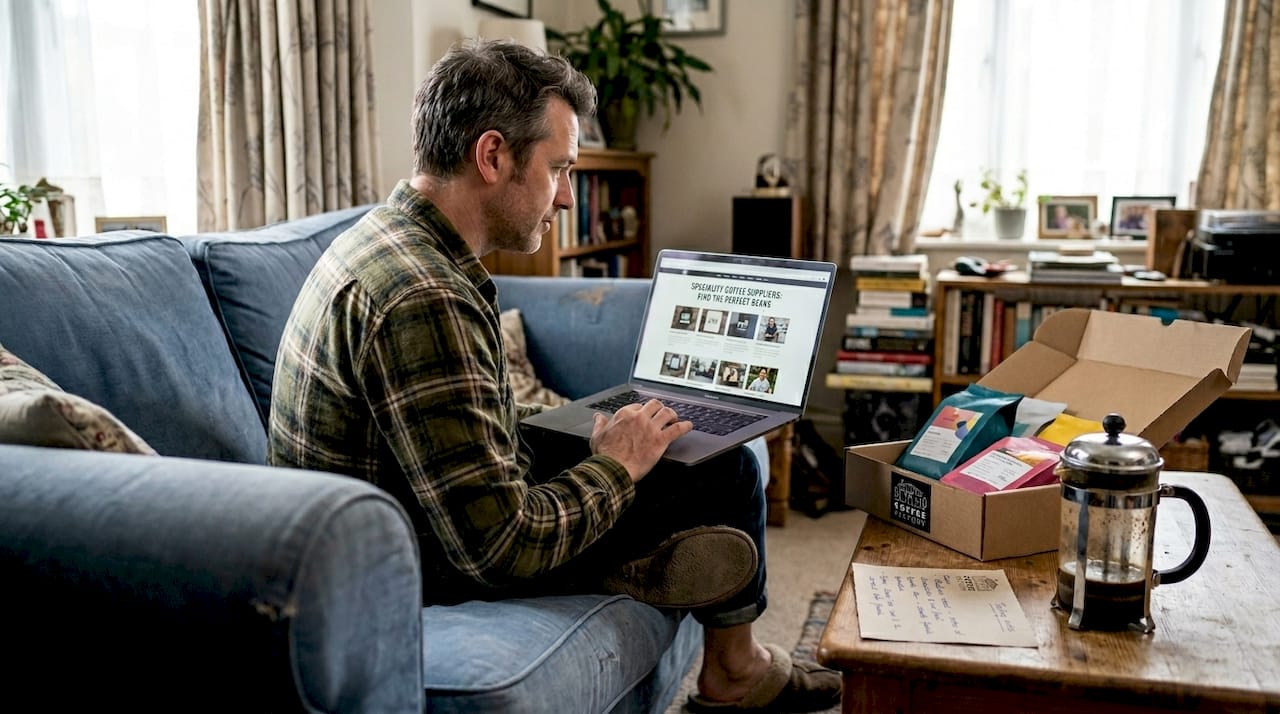
Roast-to-order operations roast beans within days of your order, shipping them whilst flavour compounds remain vibrant. This approach contrasts sharply with mass-market brands that roast in bulk, package for extended shelf life, and distribute through supply chains that add weeks between roasting and consumption. The difference in taste is immediately noticeable: fresh coffee delivers complex flavour notes, whilst stale beans taste flat and one-dimensional. Look for roasters who print roast dates on packaging rather than vague “best before” stamps.
Subscription services offer three key advantages: convenience, consistency, and cost savings. You’ll never run out unexpectedly, receive the same quality each delivery, and often pay less per bag than one-time purchasers. Most subscriptions let you adjust frequency, pause deliveries, or cancel without penalties, removing the commitment fear that stops many people from subscribing. Discovery subscriptions offer variety, whilst fixed blends provide consistency, and paying above Fairtrade prices supports better ethics. The benefits of coffee subscriptions extend beyond convenience to genuine value for regular drinkers.
One-time purchases suit explorers and occasional drinkers perfectly. You can test different roasters without commitment, order specialty blends for specific occasions, or simply maintain control over timing and quantity. This flexibility matters when you’re still discovering your preferences or when consumption varies seasonally. Many coffee lovers start with one-time orders, identify favourites, then switch those specific products to subscription whilst continuing to explore others through occasional purchases.
| Order type | Best for | Key advantage | Potential drawback |
|---|---|---|---|
| Subscription | Daily drinkers | Convenience, savings | Less flexibility |
| One-time | Explorers, casual users | Complete control | Higher per-bag cost |
| Mixed approach | Enthusiasts | Consistency plus variety | Requires management |
Ethical considerations deserve attention beyond standard certifications. Fairtrade guarantees minimum prices and some social premiums, but many specialty roasters establish direct trade relationships that pay farmers double or triple Fairtrade rates. These partnerships often include quality bonuses, long-term contracts, and support for sustainable farming practices. Check supplier websites for transparency about sourcing; reputable roasters proudly detail their relationships with origin farms and cooperatives.
Variety versus consistency represents another key choice. Discovery subscriptions rotate different origins and roast profiles each delivery, perfect for adventurous palates who enjoy exploring global coffee diversity. Fixed subscriptions deliver the same blend repeatedly, ideal for those who’ve found their perfect cup and want reliability. Some roasters offer hybrid options, sending your favourite blend plus a rotating selection of new coffees to try.
Pro Tip: Start with a one-time order of three different roast profiles (light, medium, dark) from the same roaster to identify your preference before committing to a subscription.
Step-by-step guide to ordering your coffee online
Placing your first order becomes straightforward once you understand the process. Most UK coffee roaster websites follow similar structures, making navigation intuitive even for first-time online coffee buyers.
-
Browse product categories by filtering for your preferred roast level (light, medium, dark) and origin if you have specific tastes. Light roasts preserve origin characteristics with bright acidity, medium roasts balance sweetness and body, whilst dark roasts emphasise bold, roasted flavours. Single-origin coffees showcase specific regional profiles, whilst blends combine beans for balanced complexity.
-
Select quantity based on your consumption calculation from earlier. If you drink 210g weekly, a 250g bag lasts just over a week, whilst a 500g bag covers a fortnight. Fresh coffee subscriptions cost less per cup and enhance convenience, making larger quantities economical for regular drinkers. Avoid buying more than you’ll consume within four weeks to maintain freshness.
-
Choose between whole beans or specify your grind size. Whole beans stay fresh longest and let you adjust grind for different brewing methods, but require a grinder. Pre-ground options suit those without grinders, though you must match the grind to your brewing device. Most roasters list grind options clearly: coarse for French press, medium for filter, fine for espresso.
-
Decide on delivery frequency if selecting a subscription. Weekly deliveries suit heavy users, fortnightly works for moderate consumption, whilst monthly shipments serve lighter drinkers. You can typically adjust frequency after your first delivery based on actual consumption. Look for fresh coffee subscriptions that offer flexible scheduling without penalties for changes.
-
Fill in your personal and delivery details accurately. Double-check your postcode to ensure proper routing and delivery timing. Most UK roasters offer free shipping above certain thresholds (commonly £20), so consider combining items to qualify. Select your preferred delivery date if the roaster offers scheduling, ensuring someone’s home to receive the package.
-
Review your order carefully before confirming payment. Verify the roast type, grind size, quantity, and delivery frequency match your intentions. Check for any applied discounts or promotions. Confirm the roast date guarantee if the roaster provides one; many promise roasting within 48 hours of dispatch.
-
Complete payment using your preferred method. Most UK roasters accept major credit cards, debit cards, and digital payment services. Look for secure checkout indicators (padlock icon, https protocol) before entering payment details.
-
Save your order confirmation email, which typically includes tracking information and customer service contacts. This email serves as your receipt and provides details for managing subscriptions or addressing any delivery issues.
Pro Tip: Place your first order mid-week for weekend delivery, giving you the weekend to brew and evaluate your purchase without the rush of weekday mornings.
Common mistakes when ordering coffee online and how to avoid them
Even experienced coffee drinkers make ordering errors that compromise their experience. Recognising these pitfalls helps you avoid disappointment and wasted money.
Buying from supermarkets or retailers with pre-roasted old stock represents the most common mistake. Freshness matters more than brand; stale coffee ruins taste regardless of the roaster’s reputation. Supermarket coffee often sits on shelves for months, losing the volatile compounds that create complex flavours. Always check roast dates and prioritise roasters who roast to order, even if their brand recognition seems lower than mass-market alternatives.
Selecting the wrong grind size for your brewing device guarantees poor results. Fine espresso grind in a French press creates muddy, over-extracted bitterness, whilst coarse grounds in an espresso machine produce weak, sour shots. Match your grind precisely to your brewing method, and when in doubt, choose whole beans and grind them yourself. This mistake wastes money because you can’t return opened coffee, leaving you stuck with unusable product.
- Impulse bulk buying without testing represents false economy. That 2kg bag seems cost-effective until you realise you don’t enjoy the roast profile and can’t consume it before staleness sets in. Always test new roasters or blends with smaller quantities first.
- Ignoring roast dates and storage information leads to disappointing cups. Coffee peaks within two weeks of roasting and declines steadily afterwards. Check packaging dates and consume within the recommended window.
- Overlooking grind options wastes the potential of quality beans. Pre-ground coffee loses freshness rapidly, whilst whole beans maintain flavour for weeks when stored properly in airtight containers away from light and heat.
- Failing to read coffee subscription reviews before committing means missing red flags about delivery reliability, customer service, or quality consistency.
“The difference between fresh-roasted and supermarket coffee is like comparing a ripe peach picked yesterday to one that’s been sitting in a warehouse for three months. The fundamental product might be the same, but the experience is worlds apart.”
Subscribing before testing represents another frequent error. Subscriptions lock you into regular deliveries of a specific product, which becomes problematic if you don’t enjoy the flavour profile. Most roasters offer one-time purchases or sample packs specifically for this reason. Use them to identify your preferences before committing to automated deliveries.
Neglecting to adjust subscription frequency as your consumption changes wastes money and coffee. Your initial estimate might prove inaccurate, or your habits might shift seasonally. Most subscription services allow frequency adjustments, so review your consumption monthly and modify deliveries accordingly. Running out between shipments or accumulating excess bags both signal the need for adjustment.
Assuming all “specialty” or “premium” labels guarantee quality overlooks the importance of specific certifications and transparency. These terms lack regulation, allowing any roaster to use them regardless of actual quality or sourcing practices. Look for concrete information: roast dates, origin details, processing methods, and ethical certifications that verify claims rather than relying on marketing language.
Explore premium coffee selections and subscriptions at Coffee Factory
Now that you understand how to order coffee online effectively, you’ll want a supplier that delivers on freshness, variety, and reliability. Coffee Factory operates a Devon-based roastery that roasts to order, ensuring your coffee arrives at peak freshness within days of roasting.
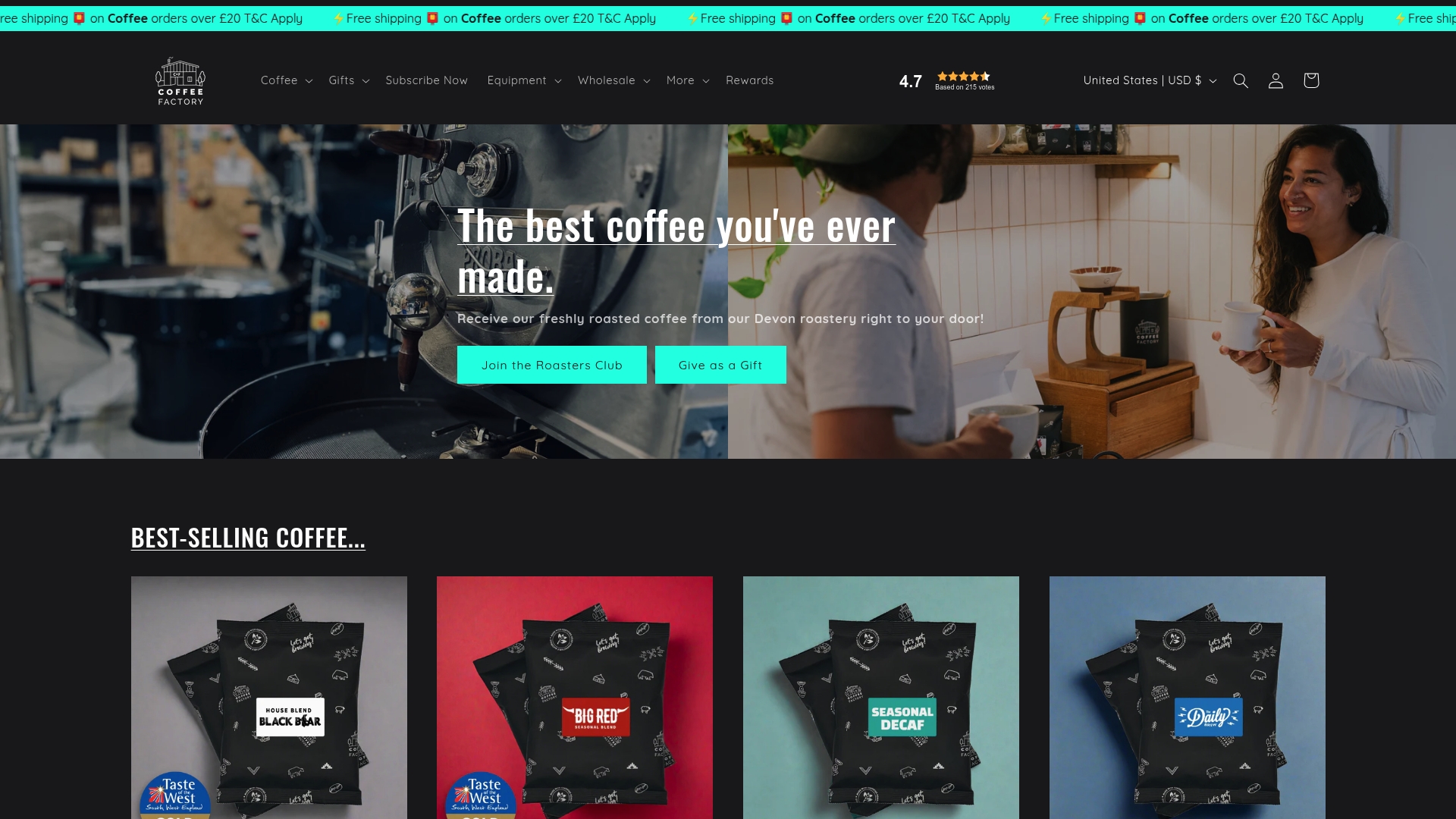
The selection spans unique coffee varieties from single-origin beans showcasing specific regional characteristics to carefully crafted blends that balance complexity and consistency. Whether you prefer bright, fruity Ethiopian naturals or rich, chocolatey Brazilian pulped naturals, the range accommodates diverse palates. Seasonal offerings rotate throughout the year, introducing limited-edition coffees that highlight harvest cycles and processing experiments.
Fresh coffee subscriptions provide the convenience and savings discussed earlier, with flexible scheduling that adapts to your consumption. You can pause deliveries during holidays, adjust frequency as your habits change, or switch between different coffees without cancelling your subscription. Free UK delivery on coffee orders over 1kg makes subscribing even more economical for regular drinkers.
Gift options solve the perennial problem of what to buy coffee-loving friends and family. Coffee gift ideas include curated taster boxes that let recipients explore different roasts, gift subscriptions that deliver quality for months, and merchandise for enthusiasts who appreciate coffee culture beyond the cup.
Pro Tip: Start with a discovery subscription that rotates different origins monthly, letting you explore the full range whilst building knowledge about your preferences.
Frequently asked questions
How do I know if I should get a coffee subscription or a one-time order?
Subscriptions suit daily drinkers who consume coffee consistently and want the convenience of automated deliveries without reordering. They typically offer cost savings and ensure you never run out unexpectedly. One-time orders work better for casual drinkers, those still exploring different roast profiles, or anyone who prefers complete control over timing and variety. Many coffee lovers start with one-time purchases to test different roasters, then subscribe to favourites whilst continuing to explore new options occasionally.
What grind size should I order for my coffee machine?
French press requires coarse grind that steeps without passing through the mesh filter, typically resembling breadcrumbs in texture. Drip or filter machines need medium grind that balances extraction time with water flow, similar to granulated sugar. Espresso machines demand fine grind that creates resistance for proper extraction, feeling almost like flour. AeroPress sits between medium and fine, depending on your brewing time preference. When uncertain, order whole beans and grind them yourself to match your specific device and taste preferences.
Are there ethical options when ordering coffee online in the UK?
Most specialty UK roasters prioritise ethical sourcing beyond basic Fairtrade certification, often establishing direct trade relationships that pay farmers significantly above commodity prices. Look for transparency about origin relationships, specific farm or cooperative names, and details about pricing structures on roaster websites. Certifications like Rainforest Alliance, UTZ, or organic standards indicate additional sustainability commitments. Many roasters proudly detail their sourcing ethics because it represents a key differentiator in the specialty market, so absence of this information might signal lower standards.
Can I get decaf or speciality coffee online in the UK?
Virtually all UK online roasters offer decaffeinated options processed through methods that preserve flavour whilst removing caffeine, typically Swiss Water Process or CO2 extraction. Speciality single-origin coffees, seasonal micro-lots, and experimental processing methods (natural, honey, anaerobic) are widely available from dedicated roasters who focus on quality over volume. These options cater to diverse preferences, health considerations, and the growing community of coffee enthusiasts who explore beyond standard blends. Selection often exceeds what local shops stock, making online ordering ideal for accessing variety.
Why buying online beats the supermarket shelf
If you are used to picking up a bag with the weekly shop, it is worth knowing what changes when you buy direct from a roaster instead. The biggest difference is time. Supermarket coffee is roasted in bulk and can spend weeks or months moving through warehouses and sitting on shelves. Coffee from a roaster that roasts to order has usually left the roaster only days before it reaches you, and that shows in the cup as brighter, more distinct flavours.
The second difference is information. Supermarket packaging rarely says more than "smooth" or "strong". A good roaster's product page will normally tell you the origin, the processing method, the roast date and tasting notes, which makes it far easier to find a coffee you will enjoy and to buy it again.
What different origins tend to taste like
Buying online also opens up single origins you will rarely see in a supermarket. As a rough guide:
- Ethiopia: floral and fruity, often with notes of berries, jasmine or citrus.
- Kenya: bright and juicy, with blackcurrant and a lively acidity.
- Colombia: balanced, with caramel, red apple and gentle acidity.
- Brazil: chocolate and nuts with low acidity, a good everyday base.
- Guatemala: brown sugar, cocoa and almond.
Processing changes things too. Washed coffees tend to taste cleaner and brighter, while naturals are usually fruitier and heavier.
Getting the most from a new coffee
- Read the tasting notes before you brew so you know what to look for.
- Try a new single origin black first. Milk hides a lot of the detail.
- Keep a simple note of which origins and roast levels you liked, so your next order is easier.
- Expect to tweak your recipe slightly when you switch between light and dark roasts.
Frequently asked questions about buying coffee online
Is online coffee really fresher than supermarket coffee?
Usually, yes, as long as you buy from a roaster that roasts to order and prints a roast date on the bag. Our coffee is roasted to order in Axminster, Devon, and orders placed before 9am on a working day are dispatched the same day.
Is buying coffee online good value?
Work it out per cup rather than per bag. At around 15g a cup, a 250g bag makes roughly 16 cups, so divide the bag price by that figure and compare it with what you pay elsewhere. Freshly roasted speciality coffee usually compares well, especially against coffee shop prices. Free UK delivery applies on coffee orders over 1kg, and you can mix and match bags to reach it.
Can I use online ordering to explore new flavours?
Yes. Online roasters carry a much wider range than a supermarket, including single origins and seasonal coffees, and the detailed product information makes it easy to compare them and work out what you like.